 English
 Español
 русский
 中文简体
中文简体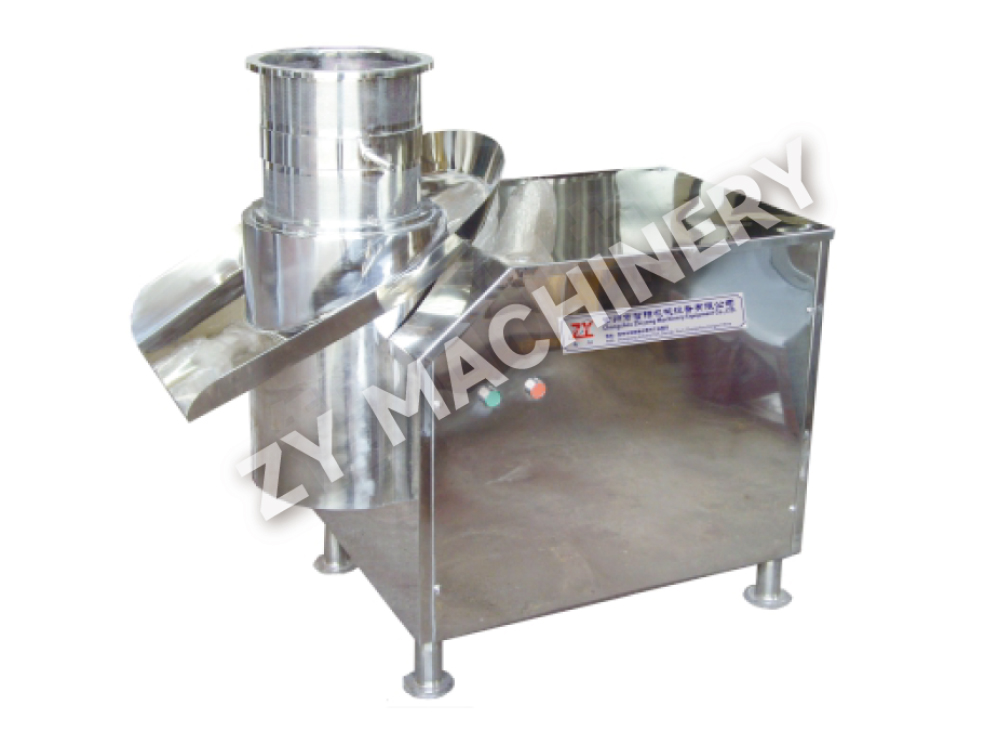
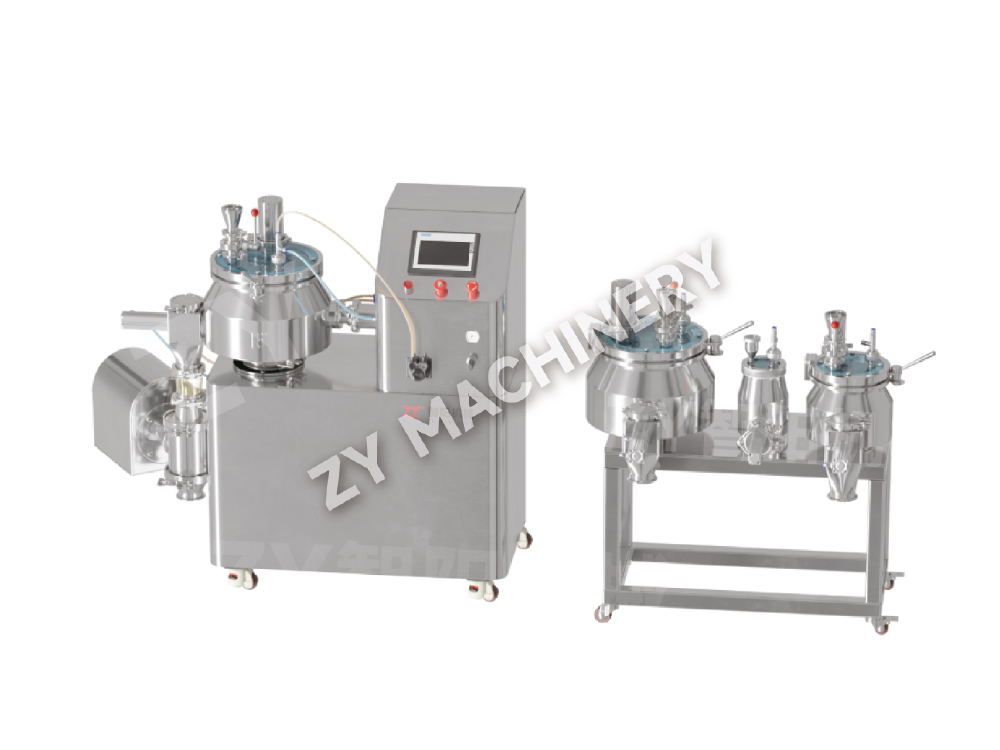
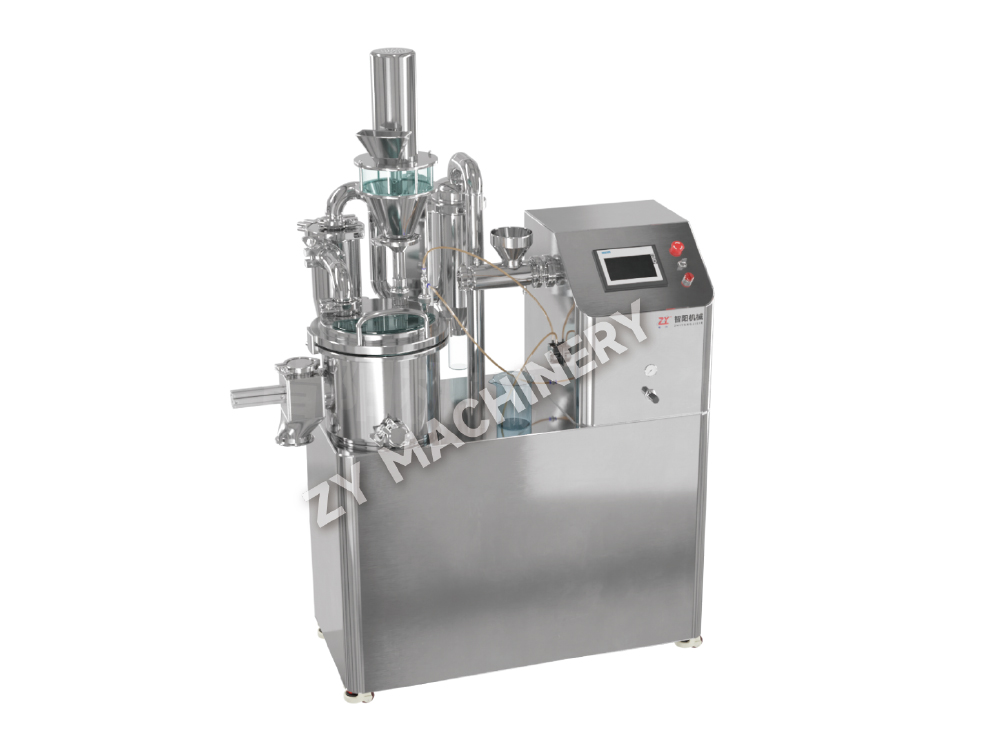
GHL R&D Interchangeable Bowl Wet Granulation Lab Machine
The GHL R&D interchangeable bowl wet granulation lab machine is designe.....

Content
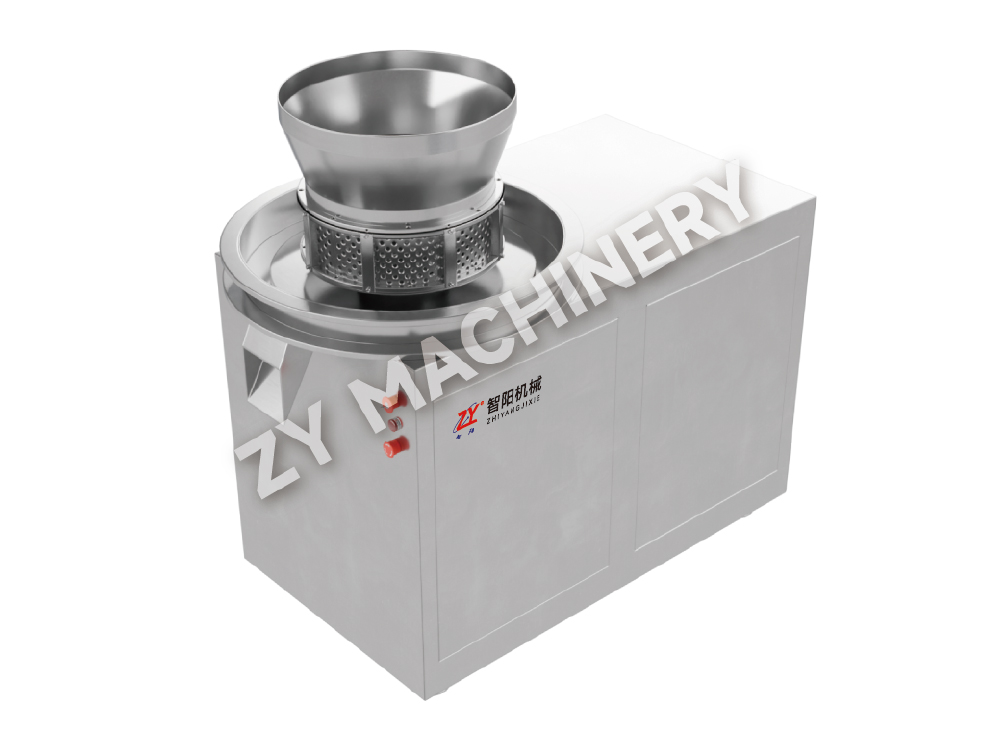
Wet granulation is one of the most important operations in powder processing and oral solid dosage manufacturing. When powders, binders, and liquids have been mixed into a damp mass, the next challenge is to transform that material into granules that are uniform, stable, easy to dry, and suitable for downstream processes. The XL Rotary Granulator is engineered for this purpose. It converts wet materials from earlier processing stages into consistent cylindrical granules by pressing the material through stainless-steel sieve cylinders with rotating rollers.
For pharmaceutical, chemical, nutraceutical, veterinary, additive, and related production environments, particle consistency is not a minor detail. Granule size affects drying efficiency, coating uniformity, flowability, compression behavior, dissolution characteristics, and final product stability. A granulator that can create predictable granule dimensions helps manufacturers reduce process variation and improve batch-to-batch reliability. The XL Rotary Granulator addresses these needs through a compact mechanical structure, replaceable sieve cylinders, stable roller operation, and a practical design that is easy to integrate into production lines.
As part of a broader granulation equipment series, this machine is positioned between upstream wet mixing and downstream drying, tumbling, sizing, or coating. Its value is especially clear when a production process requires uniform cylindrical granules rather than irregular lumps or fragile agglomerates. By changing the sieve cylinder, users can select different granule sizes within the available sieve diameter range, allowing the same machine to support multiple formulations and product specifications.
Beyond the equipment itself, reliable performance also depends on manufacturing capability. A granulator used in regulated or quality-sensitive industries must be built with attention to material contact surfaces, mechanical accuracy, assembly quality, polishing, durability, and operational stability. Changzhou Zhiyang Machinery Equipment Co., Ltd. supports this requirement through process-driven equipment design, manufacturing experience, and the ability to provide standalone machines, modular systems, and complete production-line solutions for laboratory, pilot, and full-scale production.
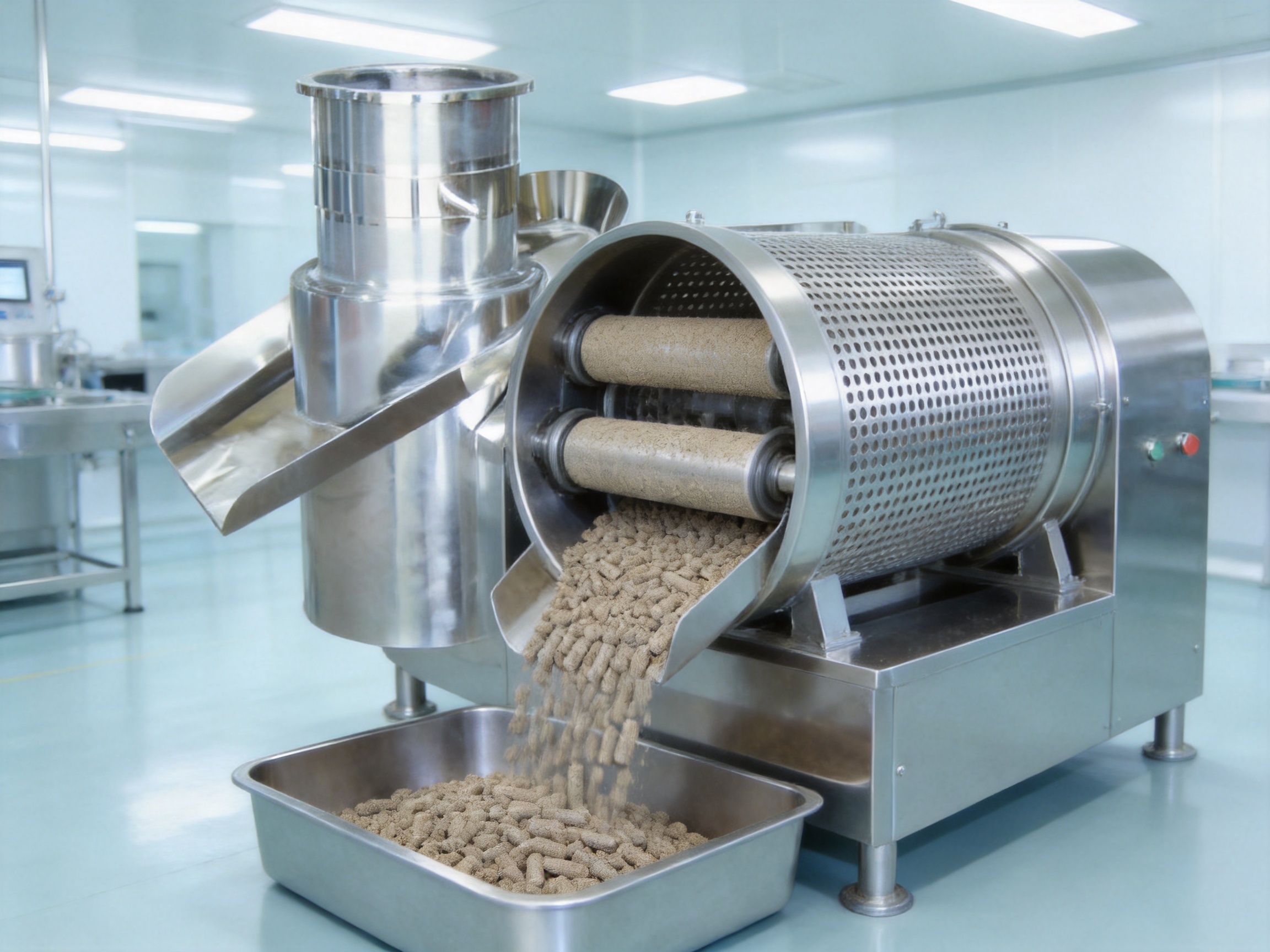
The XL Rotary Granulator is a wet material extrusion granulator designed to produce uniform cylindrical granules. Wet mass is fed into a perforated stainless-steel sieve cylinder. Rotating rollers apply pressure to the material and guide it through the sieve openings. As the wet mass passes through the perforations, it is shaped into cylindrical granules and discharged for collection or further processing.
The machine is available in multiple models, including XL-120, XL-250, and XL-300. These models cover different capacity ranges, from small-scale production and process development to higher-output manufacturing. The sieve diameter range of 0.8 to 2.5 mm supports common granulation requirements, while motor power and machine dimensions vary according to model size.
The machine is especially suitable for wet materials in pharmaceutical and chemical production. It can also be applied in nutraceuticals, veterinary products, food additives, biotechnology-related materials, and other powder processing fields where controlled wet granulation is required. Its compact structure makes it practical for integration into existing production lines, while its mechanical simplicity supports easy operation and maintenance.
The defining advantage of the machine is its ability to produce cylindrical granules with controlled dimensions by using interchangeable sieve cylinders. This allows manufacturers to adapt to different product specifications without replacing the entire granulation system. For companies that process multiple formulations, this flexibility can reduce equipment investment and improve production scheduling.
The working principle of the XL Rotary Granulator is based on mechanical extrusion through a perforated stainless-steel cylinder. Wet material enters the sieve cylinder after being prepared in a previous mixing or kneading stage. Once inside the working area, rotating rollers move across the material, applying pressure and directing it toward the sieve openings.
As pressure increases, the wet material is forced through the perforations. The opening size of the sieve determines the approximate diameter of the extruded granules. Because the material exits the sieve openings in a controlled form, the resulting granules are more uniform than granules produced by uncontrolled breaking or manual screening methods.
After extrusion, the cylindrical granules are discharged from the machine and collected. Depending on the production route, they may be transferred to a dryer, a coating machine, a tumbler, a sizing unit, or another downstream process. The granules can be dried to reduce moisture content, coated for controlled release or protection, or blended with other ingredients before final processing.
Roller rotation speed contributes to operational stability and granule uniformity. Stable rotation helps maintain consistent pressure and material movement. The replaceable sieve cylinder provides direct control over particle size. Together, these two features enable practical adjustment of the granulation outcome without overly complicated controls.
Uniform granules improve process efficiency in several ways. First, they dry more consistently than irregular wet masses. When granules are similar in size and shape, moisture removal is more predictable. This helps reduce the risk of over-drying some particles while under-drying others. In pharmaceutical and nutraceutical manufacturing, moisture consistency can influence stability, compression, flow, and microbial control.
Second, uniform granules flow better through transfer equipment, hoppers, feeders, and tablet presses. Poorly shaped or highly variable granules can bridge, segregate, or create inconsistent feed rates. Cylindrical granules produced through controlled extrusion can reduce these issues and support smoother downstream handling.
Third, consistent granule size contributes to coating quality. If granules are to be coated, particles of similar size receive coating material more evenly. This can improve appearance, functional performance, and batch reproducibility. In applications involving controlled release, taste masking, moisture protection, or active ingredient protection, coating uniformity is especially important.
Fourth, granule size distribution influences blending behavior. When granules are too variable, segregation may occur during storage, transfer, or feeding. Consistent particle size helps maintain content uniformity and process reliability.
For these reasons, the XL Rotary Granulator is not merely a size-forming machine. It is a process control tool that helps transform a wet mass into a controlled intermediate material suitable for precision manufacturing.
The machine uses replaceable sieve cylinders to produce granules of different sizes. The available sieve diameter range is 0.8 to 2.5 mm. This range supports many standard wet granulation applications. By changing the sieve cylinder, operators can adapt the equipment to different products, process routes, or customer specifications.
This feature is particularly useful for manufacturers handling multiple formulations. Instead of purchasing separate equipment for each granule size, the production team can use one granulator platform with different sieve cylinders. This improves equipment utilization and reduces floor-space requirements.
The rotating rollers and perforated sieve cylinder work together to form cylindrical granules. Compared with irregular granules produced by coarse crushing or uncontrolled screening, cylindrical granules offer better shape consistency. Better shape consistency can support more stable drying, coating, transfer, and downstream processing.
The mechanical extrusion process is direct and efficient. Wet material is guided through the sieve openings rather than being randomly scattered or aggressively fragmented. This helps reduce unnecessary material loss. For high-value pharmaceutical or specialty chemical materials, reducing loss can have a meaningful economic impact.
The XL Rotary Granulator is designed with a compact footprint. The XL-120 model measures 740 mm by 350 mm by 1080 mm, the XL-250 model measures 750 mm by 500 mm by 1230 mm, and the XL-300 model measures 880 mm by 630 mm by 1230 mm. These dimensions make the machine suitable for integration into production rooms where space is limited.
The durable structure is important for continuous or repeated batch operation. Granulation subjects mechanical components to pressure, wet material contact, and cleaning cycles. A robust design helps maintain performance over time and reduces the risk of unscheduled downtime.
The machine is suitable for a variety of wet materials, including pharmaceutical and chemical compounds. In practical production, wet materials may vary in viscosity, binding strength, moisture level, density, and sensitivity. A rotary granulator with adjustable sieve options and stable roller action can accommodate a broad range of process requirements.
| Item | Unit | XL-120 | XL-250 | XL-300 |
| Diameter of Sieve | mm | 0.8 to 2.5 | 0.8 to 2.5 | 0.8 to 2.5 |
| Capacity | kg/h | 5 to 60 | 60 to 200 | 100 to 400 |
| Motor Power | kW | 1.5 | 4 | 5.5 |
| External Dimensions | mm | 740 × 350 × 1080 | 750 × 500 × 1230 | 880 × 630 × 1230 |
The three models allow users to select a machine according to production scale. The XL-120 is appropriate for lower-capacity operation, laboratory support, pilot-scale production, or specialty batches. The XL-250 supports medium production needs with a capacity range of 60 to 200 kg/h. The XL-300 is designed for larger throughput, with a capacity range of 100 to 400 kg/h.
The same sieve diameter range across all models simplifies process scaling. A formulation developed on a smaller model can be transferred to a larger model with similar sieve diameter selection, although final process validation should always consider material properties, moisture content, feed consistency, and downstream performance.
Manual screening can be useful for small laboratory samples, but it is not ideal for consistent production. Manual pressure varies by operator, material feed is inconsistent, and particle size distribution can be difficult to control. The XL Rotary Granulator replaces manual pressure with a controlled roller-based extrusion mechanism. This improves repeatability and reduces dependence on operator skill.
Some wet granulation processes rely on breaking wet mass into smaller pieces. This can create irregular shapes, fines, and oversized particles. In contrast, the XL Rotary Granulator forms granules by forcing wet material through defined sieve openings. The result is a more controlled cylindrical shape and a narrower practical size range.
Equipment with fixed openings or limited size adjustment can restrict product development. When a formulation requires a different granule size, the production team may need additional equipment or extensive modification. The replaceable sieve cylinder design of the XL Rotary Granulator provides practical flexibility. Operators can change sieve cylinders to meet different particle-size requirements.
Some granulation systems require significant floor space, complex auxiliary equipment, and extensive installation work. The XL Rotary Granulator offers a compact solution for wet extrusion granulation. It can be placed into production lines without requiring excessive space. This is valuable for facilities that need to improve granule consistency while maintaining efficient room layout.
The machine is designed specifically to receive wet material from earlier processing stages. When used after mixing or kneading, it creates a consistent intermediate product for drying or coating. This direct connection between upstream wet mass preparation and downstream processing makes it a practical choice for integrated production.
In oral solid dosage production, granulation is commonly used to improve powder flow, compressibility, content uniformity, and handling characteristics. Wet granulation is especially valuable when powders do not flow well or when active ingredients require binding into stable granules.
The XL Rotary Granulator can contribute to a typical oral solid dosage process after wet mass preparation. A powder blend is mixed with binder solution or liquid to form a damp mass. The damp mass is then processed through the rotary granulator to create cylindrical granules. These granules can be dried, sized if necessary, blended with external phase ingredients, and compressed into tablets or filled into capsules.
Uniform granules help reduce variability in tablet weight and hardness. They can also support more predictable dissolution behavior when the formulation and downstream process are properly controlled. For capsule filling, improved granule flow can help maintain fill-weight consistency.
While the granulator does not replace formulation development or process validation, it provides a stable mechanical platform for transforming wet mass into controlled granules. This stability is essential for manufacturers seeking repeatable production outcomes.
Beyond pharmaceutical production, many chemical and specialty material processes require wet granulation. Granules may be produced to reduce dust, improve handling, enhance solubility, support controlled release, or prepare material for drying and packaging. The XL Rotary Granulator can be applied where wet compounds need to be converted into consistent cylindrical particles.
In chemical production, particle uniformity can improve downstream thermal processing, reduce segregation, and support more accurate dosing. In additive manufacturing or specialty additive preparation, controlled granules may improve storage stability and feeding performance. In veterinary and nutraceutical products, granulation can improve flow and product appearance.
The machine’s stainless-steel sieve cylinder and replaceable sieve design make it adaptable to different product categories. Selection should consider material abrasiveness, stickiness, moisture content, cleaning requirements, and target particle size. With proper process evaluation, the equipment can become a flexible granulation platform for diverse wet materials.
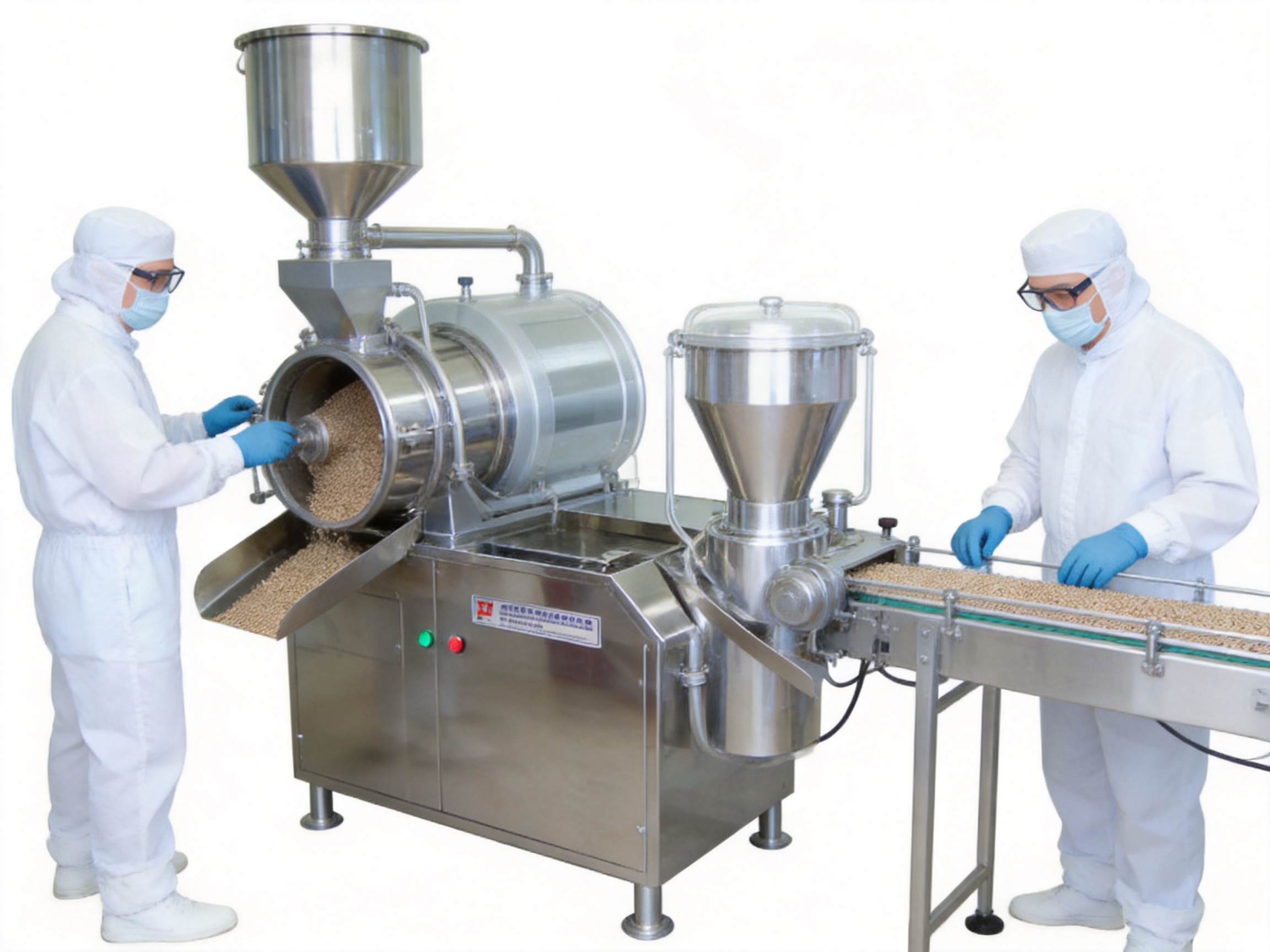
A granulator must perform well as an individual machine, but it also needs to fit into a complete process. The XL Rotary Granulator is designed for easy integration into production lines. Its compact footprint helps with room layout, while its output can be directed toward collection containers, dryers, or transfer systems.
In a complete powder processing line, the machine may be paired with wet mixers, drying equipment, coating equipment, auxiliary processing equipment, and transfer or conveying systems. Proper connection between these stages improves efficiency and reduces manual handling. Less manual handling can reduce contamination risk, improve safety, and support more consistent production timing.
Process integration begins with understanding the material. Wet mass consistency, binder level, feed rate, and target granule size all influence equipment selection and operating conditions. A process-driven equipment supplier evaluates these factors rather than simply offering a standard machine without context. This is one of the strengths of Changzhou Zhiyang Machinery Equipment Co., Ltd., which focuses on designing solutions according to material characteristics, capacity requirements, and site conditions.
For new facilities, the granulator can be included in a planned line layout. For existing facilities, it can be installed as an upgrade to improve granule consistency. In both cases, attention should be paid to operator access, cleaning space, material transfer route, electrical supply, and maintenance clearance.
The quality of a rotary granulator depends heavily on manufacturing discipline. Granulation involves direct contact between wet material and machine surfaces, mechanical pressure from rollers, and repeated operation under production conditions. To deliver reliable equipment, manufacturing must control material selection, machining accuracy, welding quality, surface finishing, assembly precision, and final inspection.
For equipment used in pharmaceutical and chemical environments, stainless steel is widely preferred for material-contact parts because of its corrosion resistance, cleanability, and mechanical strength. The sieve cylinder is made of stainless steel, which helps maintain product hygiene and durability. Proper material selection supports long service life and reduces the risk of contamination from worn or unsuitable surfaces.
The sieve cylinder must be accurately formed and perforated because sieve opening consistency directly affects granule size. If the openings are uneven, the granules may vary more than expected. If the cylinder is poorly aligned, roller pressure may become inconsistent. Precision fabrication helps maintain a stable gap, smooth rotation, and uniform extrusion.
Rotating rollers, shafts, supports, and drive components require accurate machining. Mechanical imbalance or poor alignment can lead to vibration, noise, wear, and unstable granulation. A carefully manufactured roller system helps ensure smooth operation and predictable material movement through the sieve.
Welding quality matters in equipment that must be cleaned regularly. Rough welds or crevices can trap material and make cleaning difficult. Smooth finishing reduces residue retention and supports better hygiene. For pharmaceutical and food-related applications, surface quality is a key part of practical equipment performance.
Even well-made components must be assembled correctly. During assembly, the relationship between the rollers, sieve cylinder, drive system, and frame must be checked. Trial running helps verify smooth rotation, noise level, stability, and functional performance. This process reduces the likelihood of installation problems at the customer site.
Changzhou Zhiyang Machinery Equipment Co., Ltd. specializes in the design, manufacturing, and process integration of powder processing and oral solid dosage equipment. Founded in 2010 and based in Changzhou, China, the company serves pharmaceutical, biopharmaceutical, biotechnology, nutraceutical, veterinary, additive, and related industries. Its equipment portfolio covers laboratory equipment, mixing equipment, granulation equipment, drying equipment, coating equipment, auxiliary processing equipment, and transfer and conveying systems.
This wide product scope is important because granulation does not exist alone. A high-quality granulator must be compatible with the mixer before it, the dryer after it, and the transfer systems around it. A manufacturer with experience across multiple processing stages can better understand the full production route and provide practical recommendations.
The company emphasizes honesty, strength, quality, and specialty. These values are reflected in a focus on customer reputation, reliable products, responsive service, research and development, and innovation. Over the years, the company has expanded its product portfolio, strengthened R&D capabilities, obtained quality system certification, developed patented technologies, and built overseas service capabilities.
For customers, these strengths translate into more than machine supply. They mean assistance with process planning, model selection, production-line integration, and long-term support. When purchasing equipment such as the XL Rotary Granulator, users benefit from a supplier that understands not only the machine but also the surrounding process.
Different materials behave differently during wet granulation. Some wet masses are soft and plastic, while others are sticky, dense, fibrous, or sensitive to pressure. Some require small granules for rapid drying, while others need larger particles for better flow or controlled processing. Because of these differences, a process-driven approach is essential.
Changzhou Zhiyang Machinery Equipment Co., Ltd. designs solutions according to material characteristics, capacity requirements, and site conditions. For the XL Rotary Granulator, this may involve selecting the appropriate model, recommending sieve cylinder sizes, considering upstream wet mass preparation, and planning downstream drying or transfer. The goal is to provide a practical process route rather than simply delivering equipment.
Capacity selection is one example. A small manufacturer or laboratory may require the XL-120 for 5 to 60 kg/h production. A medium production line may choose the XL-250 for 60 to 200 kg/h. A larger facility may require the XL-300 for 100 to 400 kg/h. However, capacity should not be considered only as a number. Actual output depends on material properties, moisture content, sieve diameter, feed consistency, and operator practice.
Site conditions also matter. Room size, equipment access, utility availability, cleaning requirements, and material transfer route influence installation. A compact machine can still perform poorly if the production flow is poorly planned. Process-driven layout planning helps ensure that the granulator supports efficient operation.
The quality of granulation begins before the material reaches the rotary granulator. Wet mass should be properly mixed and uniformly moistened. If the wet mass contains dry pockets, excessive liquid, or uneven binder distribution, granule quality may suffer. A stable upstream mixing process supports stable extrusion.
Consistent feeding helps maintain uniform roller pressure and granule output. Overfeeding may overload the working area, while underfeeding may reduce efficiency. Operators should establish a feeding method that matches the selected model and material behavior.
The sieve cylinder determines granule diameter. A smaller opening produces finer granules, while a larger opening produces coarser granules. Selection should consider the target final product, drying method, desired flowability, and downstream equipment. Operators should also consider whether the material can pass smoothly through the selected sieve without excessive pressure or blockage.
Roller rotation contributes to extrusion consistency. The appropriate speed depends on material characteristics and target output. A speed that is too high may create unnecessary stress or uneven discharge for some materials, while a speed that is too low may reduce throughput. Practical testing helps identify suitable operating conditions.
For multi-product production, cleaning and changeover are major concerns. The replaceable sieve cylinder design supports product flexibility, but cleaning procedures must be well defined. Wet material residues should be removed promptly to prevent drying, hardening, or cross-contamination. Smooth surfaces and accessible structures help reduce cleaning time.
Production equipment must deliver stable performance over many batches. The XL Rotary Granulator is designed for smooth operation with minimal material loss. Its mechanical design supports predictable granulation, while its compact and durable construction helps reduce operational complexity.
Reliability is not only about avoiding breakdowns. It also includes stable granule quality, easy maintenance, repeatable adjustment, and operator confidence. A machine that runs smoothly but produces variable granules does not meet modern process requirements. A machine that produces good granules but is difficult to clean can also reduce production efficiency. The best value comes from a balance of mechanical reliability, process performance, cleanability, and usability.
The XL Rotary Granulator supports this balance by using a straightforward extrusion mechanism, replaceable sieves, and a durable frame. Operators can understand the process easily, maintenance teams can access key components, and production managers can select models according to capacity needs.
Cost control in manufacturing is often associated with labor, energy, material yield, maintenance, and downtime. The XL Rotary Granulator contributes to cost control in several practical ways.
First, uniform granulation can reduce downstream problems. If granules dry more evenly, manufacturers may reduce rework, rejected batches, or extended drying time. If granules flow better, feeding interruptions may decrease. If coating is more uniform, coating material may be used more efficiently.
Second, replaceable sieve cylinders improve product flexibility. A single machine can support multiple granule specifications, reducing the need for duplicate equipment. This is especially valuable for contract manufacturers or companies producing several products in one facility.
Third, compact equipment reduces space burden. Manufacturing floor space is expensive, particularly in controlled environments. A compact machine that performs reliably helps optimize room layout and production flow.
Fourth, smooth operation with minimal material loss protects valuable ingredients. In pharmaceutical and specialty chemical production, raw materials can be costly. Reducing unnecessary loss during granulation supports better yield and lower batch cost.
Inconsistent granule size may result from poor wet mass preparation, unsuitable equipment, or uncontrolled processing. The XL Rotary Granulator addresses this challenge with defined sieve openings and stable roller extrusion. While upstream material consistency remains important, the machine provides a controlled shaping mechanism.
Moving from laboratory or pilot production to larger production can create changes in granule quality. The availability of multiple models helps support scale-up. Since all listed models use the same sieve diameter range, process teams can maintain similar granule-size targets while increasing capacity.
Aggressive or poorly contained granulation methods can create waste. The rotary extrusion process guides wet material through sieve openings in a controlled manner, helping reduce scattering and loss.
Manufacturers often need to produce multiple products. Equipment that supports only one granule size can limit scheduling flexibility. The replaceable sieve cylinder system allows users to adapt the machine to different particle dimensions.
Standalone machines can become bottlenecks if they are not compatible with the full process. The company’s experience in mixing, granulation, drying, coating, auxiliary processing, and conveying supports better integration planning for the XL Rotary Granulator within complete lines.
The XL-120 is suitable for small-capacity production, research support, pilot batches, and specialty materials. Its capacity range of 5 to 60 kg/h allows flexible operation without requiring a large production footprint. With a 1.5 kW motor and compact dimensions, it is appropriate for facilities that need controlled wet granulation at a modest scale.
The XL-250 is suitable for medium-scale production. Its capacity range of 60 to 200 kg/h and 4 kW motor provide stronger output while maintaining a compact structure. It is a practical choice for production lines that have moved beyond pilot scale but do not require the highest capacity model.
The XL-300 is designed for larger throughput, with a capacity range of 100 to 400 kg/h and 5.5 kW motor power. This model is appropriate for higher-volume production environments where consistent granulation must be maintained across larger batches.
Model selection should consider not only hourly capacity but also batch size, operating schedule, material behavior, cleaning frequency, and downstream equipment capacity. A dryer with limited capacity, for example, may restrict the useful output of the granulator. Therefore, selecting the correct granulator should be part of complete process planning.
After wet granulation, drying is commonly required. The quality of granules entering the dryer influences drying efficiency. Uniform cylindrical granules produced by the XL Rotary Granulator can help improve airflow exposure and moisture removal consistency. This is beneficial in tray drying, fluid bed drying, or other drying processes, depending on the production route.
If granules are too large, drying may be slow or uneven. If granules are too fine, they may create dust or be difficult to handle. The ability to select sieve diameter helps the production team balance drying speed, product quality, and downstream flowability.
The company’s product scope includes drying equipment, which supports integrated planning between granulation and drying. Matching granulator output with dryer capacity is essential. If the granulator produces material faster than the dryer can handle, material may accumulate and create scheduling problems. If the dryer is too large for the granulator output, energy and space may be underused. Integrated planning helps avoid these mismatches.
Some granulated products require coating for taste masking, protection, controlled release, improved appearance, or moisture resistance. Coating quality depends strongly on particle size distribution and shape. Uniform cylindrical granules provide a better starting point than irregular particles with wide size variation.
When granules are similar in size, coating liquid or powder can be distributed more evenly. This helps improve functional consistency and reduce defects. For controlled-release products, uneven coating thickness may create performance variation. Therefore, upstream granulation quality has a direct influence on downstream coating success.
The XL Rotary Granulator can support coating processes by producing controlled granules before they enter coating equipment. The company’s experience with coating equipment further supports complete process design, from wet material preparation to final coated granules.
Good equipment should be effective and practical for daily use. Operators need clear feeding procedures, stable machine response, manageable cleaning steps, and predictable adjustment methods. The XL Rotary Granulator’s working principle is easy to understand: wet material is fed into the sieve cylinder, rollers apply pressure, and granules are extruded through the openings.
This straightforward mechanism helps reduce training difficulty. Operators can see the relationship between sieve size, wet mass condition, and granule output. Maintenance teams can also understand the main mechanical components without excessive complexity.
Operator-friendly design contributes to production reliability. When equipment is too complicated, mistakes become more likely. A compact, durable, and easy-to-operate granulator helps maintain stable production, especially in facilities with multiple products or frequent changeovers.
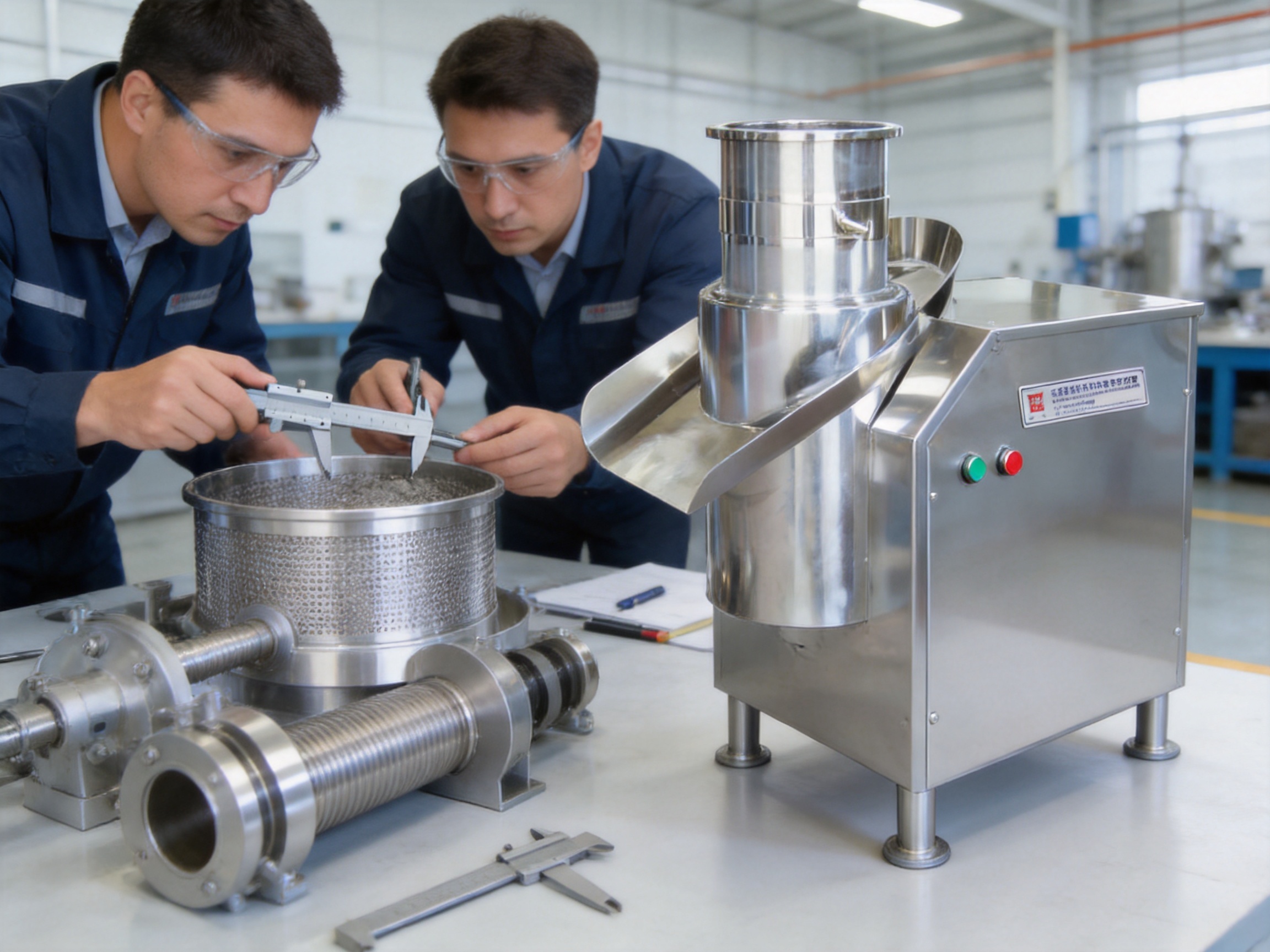
Routine maintenance helps preserve granulation performance. Key maintenance areas include the roller system, sieve cylinder, drive components, seals, fasteners, and general cleanliness. Operators should inspect the sieve cylinder for blockage, wear, or deformation. A damaged sieve can affect granule size and should be replaced when necessary.
Rollers should be checked for smooth rotation and proper alignment. Abnormal vibration, unusual noise, or inconsistent output may indicate mechanical adjustment needs. Drive components should be maintained according to recommended procedures to ensure stable power transmission.
Cleaning should be performed after production, especially when processing wet materials that may harden after drying. Prompt cleaning prevents residue buildup and supports product changeover. For regulated industries, cleaning records and procedures should be included in the site’s quality system.
Service support is also important. Changzhou Zhiyang Machinery Equipment Co., Ltd. has developed overseas service capabilities, which helps support customers beyond the domestic market. For international users, responsive service can reduce downtime and improve confidence in long-term equipment operation.
Modern equipment buyers need confidence that machinery is produced under controlled manufacturing conditions. The company has obtained quality system certification and developed patented technologies. These achievements indicate a long-term focus on structured manufacturing, product improvement, and technical development.
Innovation in powder processing equipment does not always mean unnecessary complexity. Often, meaningful innovation involves improving reliability, cleanability, integration, material handling, process consistency, and user experience. For a machine such as the XL Rotary Granulator, innovation may be reflected in mechanical refinement, improved manufacturing accuracy, better component durability, and better compatibility with complete production lines.
Research and development capability also supports customization. When customers bring unique materials or special process requirements, an experienced engineering team can evaluate options and propose practical solutions. This is particularly valuable in pharmaceutical, biotechnology, and specialty chemical fields, where materials can be sensitive, expensive, or difficult to process.
Powder processing and oral solid dosage manufacturing are global industries. Manufacturers in different regions may have different facility layouts, regulatory expectations, product types, and production scales. A flexible machine such as the XL Rotary Granulator can serve a wide range of users because it offers multiple capacities, adjustable sieve sizes, and integration potential.
The company has delivered equipment and engineering solutions to customers worldwide and has built partnerships across multiple countries and regions. This international experience is important because overseas projects often require clear communication, documentation, installation guidance, and after-sales support. Equipment must not only be manufactured well; it must also be implemented effectively in the customer’s production environment.
A typical wet granulation route may begin with raw material weighing and dry mixing. Powders are blended to distribute active and excipient components. A binder solution or liquid is then added in a controlled manner to form a wet mass. The wet mass must have suitable plasticity and moisture content for extrusion.
The wet mass is fed into the XL Rotary Granulator. The selected sieve cylinder determines the target granule diameter. Rotating rollers press the material through the sieve openings, forming cylindrical granules. These granules are discharged and transferred to a dryer.
After drying, the granules may be cooled, sized, blended with external ingredients, and compressed into tablets or filled into capsules. If coating is required, dried granules may enter coating equipment. Throughout this route, the granulation step influences downstream behavior. Consistent wet granules help create consistent dried granules, which support better final product quality.
The main function is to convert wet material from previous processing stages into uniform cylindrical granules. It does this by using rotating rollers to press wet material through a perforated stainless-steel sieve cylinder.
The machine is suitable for pharmaceutical, chemical, nutraceutical, veterinary, additive, biotechnology-related, and other powder processing industries that require controlled wet granulation.
Granule size is adjusted by changing the sieve cylinder. The available sieve diameter range is 0.8 to 2.5 mm, allowing users to produce different particle dimensions according to process requirements.
The available models include XL-120, XL-250, and XL-300. Their capacity ranges are 5 to 60 kg/h, 60 to 200 kg/h, and 100 to 400 kg/h respectively.
Cylindrical granules provide better shape consistency than irregular wet lumps. This can improve drying uniformity, flowability, coating consistency, and downstream handling.
Yes. The machine is designed for easy integration into production lines. It can be connected with upstream mixing equipment and downstream drying, coating, auxiliary processing, or conveying systems.
Manual screening depends heavily on operator force and technique. The XL Rotary Granulator uses a controlled roller extrusion mechanism and defined sieve openings, which improves repeatability and particle-size control.
Users should consider required capacity, material characteristics, moisture level, target granule size, batch size, cleaning frequency, downstream equipment capacity, and available installation space.
The rotary extrusion process guides wet material through the sieve openings in a controlled way. This reduces unnecessary scattering and helps preserve valuable materials.
Granulation is part of a larger process. A manufacturer with experience in mixing, drying, coating, auxiliary processing, and conveying can provide better integration guidance and more practical production solutions.
The XL Rotary Granulator is a practical and reliable solution for producing uniform cylindrical granules from wet materials. Its rotating roller system, stainless-steel sieve cylinder, replaceable sieve design, and compact structure make it suitable for a wide range of wet granulation applications. With models covering capacities from 5 to 400 kg/h, it can support laboratory, pilot, medium-scale, and larger production needs.
Its advantages over conventional alternatives include better control than manual screening, more uniform granules than uncontrolled crushing, greater flexibility than fixed-size machines, and easier integration than many larger or more complex systems. These benefits are especially valuable in pharmaceutical, chemical, nutraceutical, veterinary, additive, and related industries where particle consistency affects downstream performance.
The strength of the equipment is further supported by the manufacturing and engineering capability of Changzhou Zhiyang Machinery Equipment Co., Ltd. The company’s experience in powder processing and oral solid dosage equipment, combined with its product scope across mixing, granulation, drying, coating, auxiliary processing, and conveying systems, allows it to provide more than a single machine. It can support process-driven solutions based on material characteristics, capacity needs, and site conditions.
For manufacturers seeking consistent wet granulation, reduced material loss, flexible granule sizing, and practical production integration, the XL Rotary Granulator offers a strong balance of performance, reliability, and usability. It is not only a machine for shaping wet material; it is a key process tool for improving production consistency and supporting high-quality downstream manufacturing.
Aulton, M. E., and Taylor, K. M. G. Aulton’s Pharmaceutics: The Design and Manufacture of Medicines. Elsevier.
Lieberman, H. A., Lachman, L., and Schwartz, J. B. Pharmaceutical Dosage Forms: Tablets. Marcel Dekker.
Parikh, D. M. Handbook of Pharmaceutical Granulation Technology. Taylor & Francis.
Gibson, M. Pharmaceutical Preformulation and Formulation: A Practical Guide from Candidate Drug Selection to Commercial Dosage Form. CRC Press.
Snow, R. H., Allen, T., Ennis, B. J., and Litster, J. D. Size Reduction and Size Enlargement. Perry’s Chemical Engineers’ Handbook.
European Directorate for the Quality of Medicines. Technical Guide for the Elaboration of Monographs on Pharmaceutical Preparations.
Want to stay up to date?
Contact us via the email address below.
Don't worry about spam. We hate it too!
Mobile Client

Video Account
Phone:+86-15161130178
Tel:+86-519-88674267
Email:czzy188@163.com
Phone:+86-15161132798
Email:zy@zy-drying.com

WeChat ID

Copyright 2026 Changzhou Zhiyang Machinery Equipment Co., Ltd. All Rights Reserved  Oral Solid Dosage Equipment Manufacturer