 English
 Español
 русский
 中文简体
中文简体GFH R&D High-Containment Solid Dosage Production Line
The GFH R&D High-Containment Solid Dosage Production Line is designed f.....

Content
High-potency pharmaceutical compounds require a production environment that protects operators, prevents cross-contamination, maintains product quality, and supports reliable process control. Conventional open or partially enclosed solid dosage equipment may not provide adequate protection when manufacturing anticancer drugs, highly sensitizing compounds, hormone products, or other materials with strict occupational exposure limits. For these applications, a high-containment production line must integrate containment engineering with wet granulation, drying, dry granulation, mixing, transfer, and final discharge.
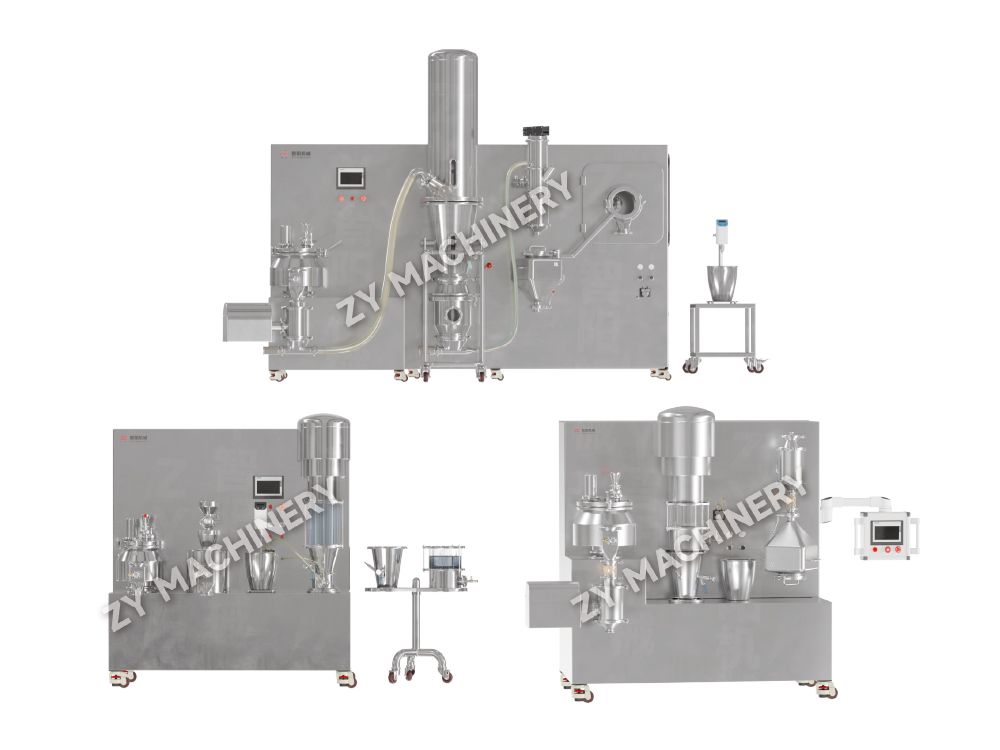
The GFH R&D High-Containment Solid Dosage Production Line is designed for this purpose. It is a compact, integrated system for research, development, pilot production, and small-batch manufacturing of highly potent solid dosage products, including tablets, capsules, and granules. The line combines enclosed processing equipment with controlled material transfer, negative-pressure operation, high-efficiency filtration, flexible operator interfaces, and automated process management.
Instead of treating containment as an additional enclosure placed around individual machines, this production line approaches the process as a continuous contained system. Materials enter through a Rapid Transfer Port, move through wet granulation and fluid-bed drying, pass into dry granulation and mixing stages, and leave through a controlled AB valve arrangement. Each transfer step is designed to reduce exposure opportunities and preserve the integrity of the product and the surrounding environment.
For pharmaceutical manufacturers, the result is more than an isolated piece of equipment. It is an integrated process platform that can help improve operator safety, simplify process development, reduce manual handling, and provide a practical route from laboratory development to controlled small-scale production.
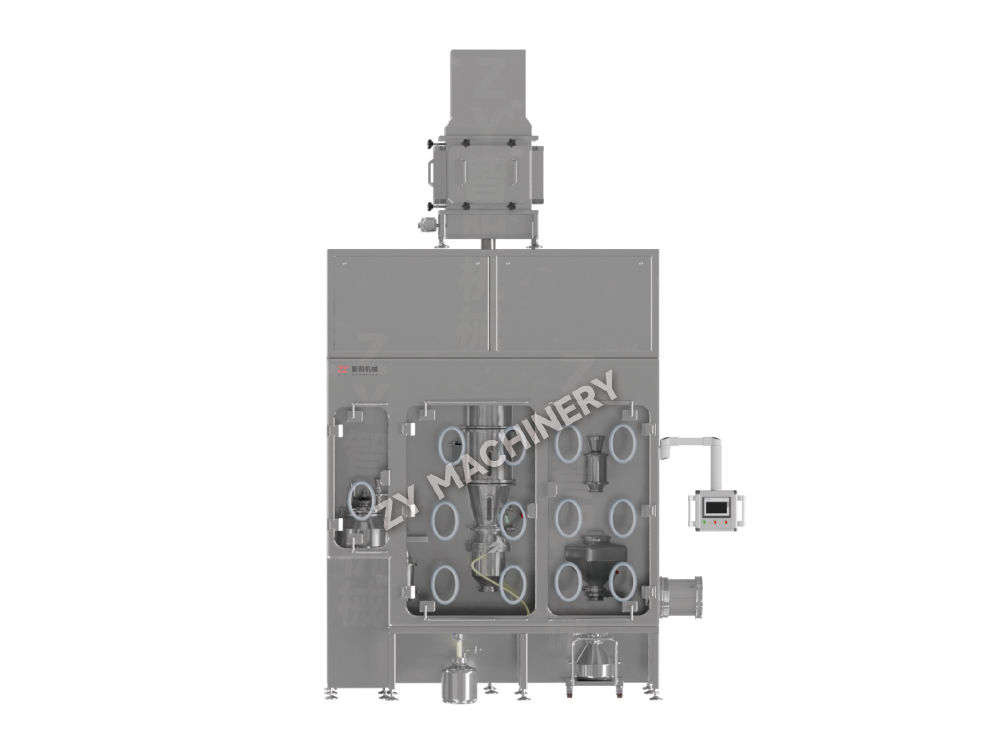
GFH R&D High-Containment Solid Dosage Production Line
Solid dosage manufacturing often involves powders, granules, and fine particles that can become airborne during charging, blending, granulation, drying, sampling, discharge, and cleaning. When the active pharmaceutical ingredient has high potency or strong sensitizing properties, even a small release may create an unacceptable occupational or environmental risk. Containment must therefore be considered throughout the complete process rather than only at the material-loading point.
Highly potent compounds frequently require occupational exposure band levels such as OEB4 or OEB5. These classifications indicate that the substance must be handled with strict engineering controls and carefully validated procedures. The specific containment performance required will depend on the material, process, exposure limit, handling quantity, and regulatory strategy. However, the underlying objective remains consistent: the process should prevent the uncontrolled escape of hazardous powder and should minimize the need for operators to work directly with exposed product.
In an open production arrangement, operators may need to manually move materials between vessels, connect flexible bags, empty containers, or clean product-contact surfaces. Every manual intervention creates a potential release point. High-containment equipment addresses this risk through closed transfer systems, isolator technology, negative-pressure operation, engineered access points, high-efficiency filtration, and controlled discharge systems.
Containment is also important for product quality. A controlled enclosure can help protect the material from external contamination, uncontrolled humidity, and unnecessary human contact. When different potent products are manufactured in the same facility, effective containment and cleaning strategies can also support campaign production and reduce the risk of cross-contamination.
The GFH line is intended to address these requirements in a coordinated manner. It is designed around a closed processing route, allowing the material to move through multiple unit operations without requiring routine open handling between stages.
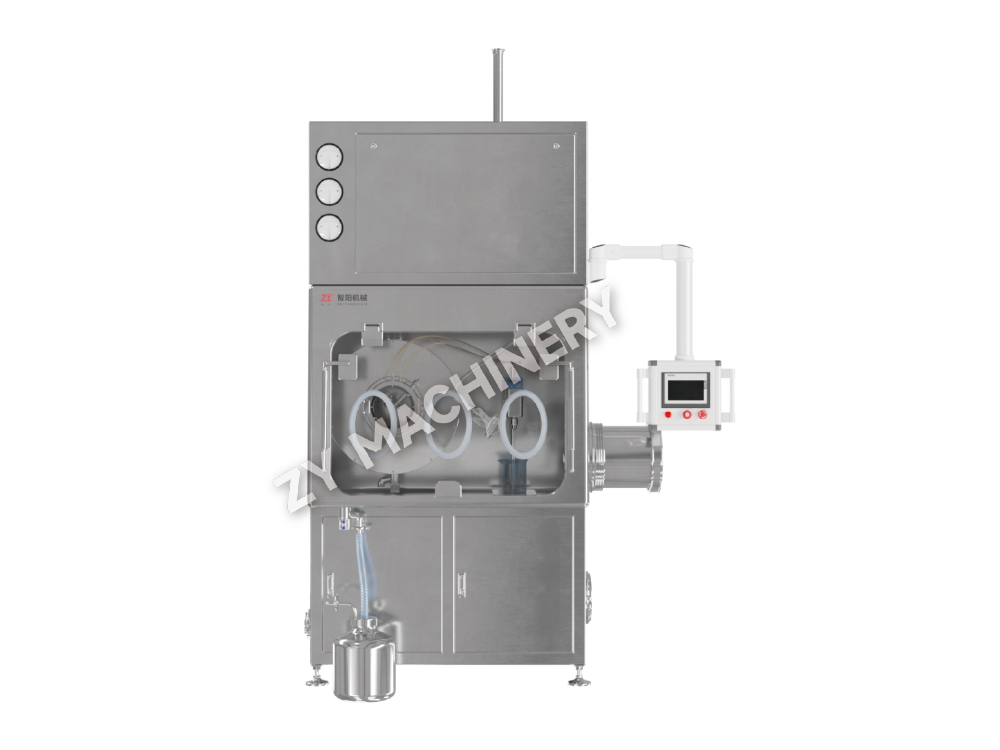
The process begins when raw materials are transferred into the isolator through an RTP valve. The Rapid Transfer Port provides a controlled interface between the external material container and the enclosed process area. Its interlocked design helps ensure that the transfer sequence is performed in a defined order, reducing the likelihood of an unplanned opening or uncontrolled exposure.
Once inside the isolator, the materials are fed into the wet granulation vessel. Wet granulation is commonly used to improve powder flow, compressibility, content uniformity, and handling characteristics. During this stage, powder particles are agglomerated using a suitable granulating liquid or binder system. The enclosed vessel allows the operation to be carried out without exposing the operator to the active formulation.
After wet granulation, the wet granules are transferred under vacuum to the fluidized-bed drying unit. Vacuum transfer reduces manual movement and helps maintain the continuity of the contained route. In the fluidized bed, controlled airflow suspends and dries the granules. The drying process can be managed according to formulation requirements, target residual moisture, inlet-air conditions, and product temperature limitations.
Following drying, the material can be discharged using either a flip-valve system or a vacuum discharge arrangement. The selection of discharge method can be adapted to the product characteristics, equipment configuration, and customer process requirements. The material then proceeds to the dry granulation stage, where compacted material can be reduced into granules with the desired size distribution and flow properties.
The resulting granules are conveyed to a mixing hopper. Mixing is performed in the contained system to support uniform distribution of excipients, lubricants, active ingredients, or other formulation components. Once mixing is complete, the outlet of the hopper is connected to AB valves for final discharge. The finished granules leave the isolator through the AB valve, preserving containment until the product has entered the next sealed package, vessel, or downstream processing step.
This sequence provides a logical process route for formulations that require wet granulation, drying, dry sizing or granulation, and final blending. It also reduces the number of open connections and manual transfers normally associated with a multi-machine production arrangement.
The core of the production line is its isolator-based containment architecture. The isolator separates the operator from the product by creating a physical barrier around the process. Operators interact with the equipment through glove ports, half-suits, or other enclosed access systems rather than directly reaching into the product area.
The system is designed for OEB4/OEB5 protection levels. These levels are associated with the handling of highly potent or highly hazardous materials and require a substantially higher degree of control than ordinary powder-processing equipment. Actual performance must be confirmed through suitable site-specific testing, validation, and operating procedures, but the design intent is to provide a robust foundation for high-containment pharmaceutical production.
Several operator-interface configurations are available. Glove ports can be positioned according to the equipment arrangement and the interventions required during operation. Half-suits may be selected where a larger working envelope is necessary. Robotic systems can also be considered for applications where minimizing direct operator intervention is a priority. This flexibility enables the line to be configured for different development strategies, production scales, and levels of automation.
The isolator can be operated under controlled negative pressure, with an operating cabin pressure range of approximately -50 Pa to -150 Pa according to the supplied specification. Negative pressure helps ensure that, in the event of a minor leakage path, airflow is directed inward rather than outward. The controlled airflow strategy is complemented by a ventilation frequency of more than 15 air changes per hour and a turbulence airflow mode.
Door sealing is another important element of containment performance. The system can use inflatable seals or mechanically compressed seals. Inflatable seals provide an adjustable sealing interface and can be useful where reliable compression must be achieved around access doors. Mechanically compressed seals offer a direct and robust sealing method. The final selection can be based on process requirements, maintenance preferences, cleaning procedures, and validation considerations.
A high-containment system must be designed not only for normal production but also for abnormal events. Potential incidents include glove rupture, loss of seal integrity, unexpected pressure changes, or a failure within the air-handling system. The emergency mode of the GFH line is intended to respond quickly to such situations.
When a glove or seal failure is detected, the system can rapidly increase internal pressure control, activate alarms, adjust fan speed, maximize exhaust, and close air inlets. The system is designed to maintain airflow above 0.5 m/s during the emergency response sequence, helping to prevent the escape of high-potency material from the isolator. The exact response logic is controlled by the automation system and should be verified during commissioning and qualification.
This type of coordinated response is a significant advantage over equipment that relies only on passive enclosure walls. A passive enclosure may delay the release of material, but an active containment system can detect an abnormal condition and change airflow and exhaust behavior to control the situation. The combination of physical barriers, pressure control, alarms, and programmed responses creates a more comprehensive protection strategy.
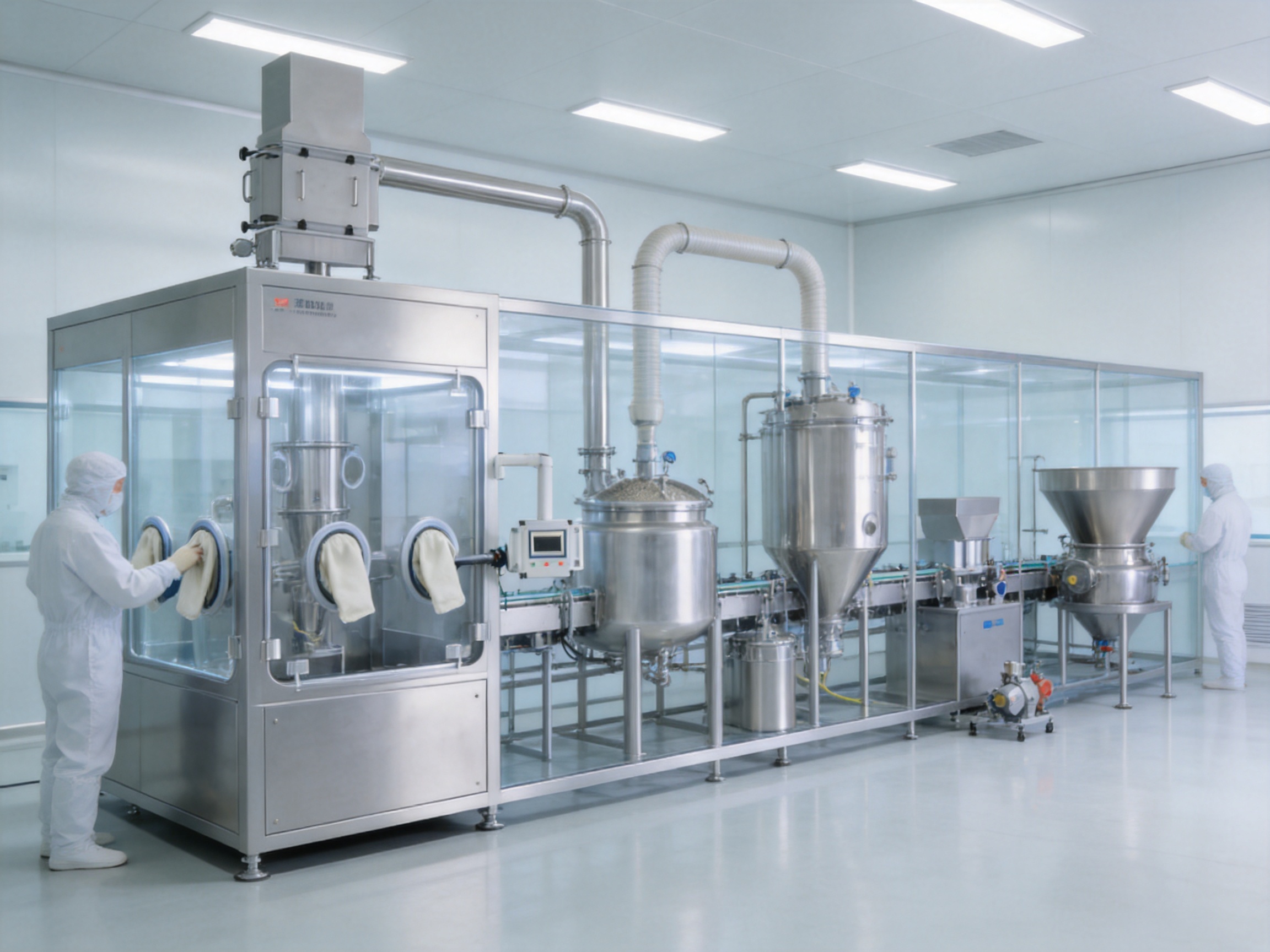
Material transfer is one of the most important factors in high-containment processing. Even when the main production equipment is sealed, a poorly designed transfer point can create a significant exposure risk. The GFH line uses RTP transfer technology at the material-entry stage and AB valve technology at the final discharge stage.
A Rapid Transfer Port allows a material container or transfer device to connect with the isolator while maintaining a controlled interface. The port is designed to prevent the process chamber and external environment from being simultaneously exposed during the connection and disconnection sequence. Interlocked doors help enforce the correct operating order and reduce the possibility of operator error.
The system can also be configured with transfer chambers and sleeve systems. Transfer chambers provide an intermediate enclosed space for bringing materials, tools, or components into the isolator. Sleeve systems provide an additional controlled method for moving materials or performing specific operations. The appropriate solution depends on the material package, container geometry, batch size, cleaning strategy, and facility layout.
At the discharge end, AB valves allow contained transfer from the process equipment to a receiving bag, vessel, or downstream machine. This is particularly important for high-potency granules, which may generate dust during gravity discharge or manual bag emptying. By using a controlled valve arrangement, the product can leave the isolator without exposing the operator or the surrounding room.
Compared with conventional open charging and discharge methods, this transfer design offers several potential advantages:
First, it minimizes the number of direct human interactions with the product. Second, it supports a continuous contained route between major process stages. Third, it can improve batch-to-batch consistency by reducing product loss during manual transfers. Fourth, it can simplify the development of standard operating procedures because transfer steps are defined by engineered interfaces rather than improvised handling methods.
For manufacturers working with valuable or scarce development compounds, reducing material loss can be as important as reducing exposure. The contained transfer path helps retain more product within the process, which may improve yield and support more efficient use of expensive active ingredients.
The GFH production line integrates several important solid dosage unit operations. This integration is useful for research and development teams because it allows the behavior of a formulation to be studied across a complete process route rather than in disconnected equipment.
Wet granulation converts a powder blend into larger, more uniform granules. The process can improve flowability and compressibility, reduce segregation, and create a more consistent feedstock for downstream tableting or capsule filling. It may also support better content uniformity when the active ingredient is present at a low concentration.
In a high-containment environment, the granulation vessel must allow ingredients to be introduced, mixed, wetted, and discharged without opening the process chamber. Enclosing the vessel within the isolator helps prevent airborne powder from escaping during charging and processing. It also supports a cleaner production environment around the equipment.
Wet granules must be dried to a controlled moisture level before downstream processing. Fluidized-bed drying provides efficient contact between the granules and conditioned air. The process can be adjusted to accommodate different granule sizes, moisture levels, thermal sensitivities, and drying endpoints.
Vacuum transfer from the wet granulation vessel to the fluidized bed helps maintain a contained process route. It can also reduce the need for lifting and manual tipping of wet product containers. The integrated configuration provides a more direct connection between granulation and drying, which may reduce transfer time and product exposure to uncontrolled environmental conditions.
After drying, the material passes through the dry granulation stage. Dry granulation can be used to improve particle size distribution, flow, and handling without adding further liquid. Depending on the formulation, this stage may be important for producing granules suitable for compression or encapsulation.
The granules are then conveyed to the mixing hopper. Mixing must achieve a consistent distribution of active and inactive ingredients while avoiding excessive shear, segregation, or degradation. A contained mixing hopper allows the formulation to be blended without open operator contact and without unnecessary movement between separate rooms or machines.
By combining these operations in a single line, the system can provide a more efficient process-development platform. Scientists and engineers can evaluate the relationship between wet granulation conditions, drying parameters, dry granulation behavior, final mixing, and discharge performance. This can accelerate formulation optimization and improve the transfer of process knowledge to larger-scale equipment.
Air handling is central to both containment and product protection. The system uses replaceable dual-layer HEPA filters, including PUSHPUSH-type arrangements or bag-in/bag-out filter configurations. High-efficiency filtration captures fine particles from the process exhaust before the air is discharged or recirculated according to the facility design.
Dual-layer filtration provides an additional level of security compared with a single filter arrangement. The filter configuration can be selected according to the customer's containment strategy, maintenance procedures, facility classification, and regulatory expectations. Bag-in/bag-out systems are especially useful when filter replacement must be performed without exposing maintenance personnel to contaminated filter surfaces.
Replaceable filter assemblies can support lifecycle management and maintenance planning. Rather than treating the filtration system as a permanent, inaccessible component, the design allows filters to be changed according to defined procedures. Safe replacement procedures remain essential, and the facility should establish suitable decontamination, waste handling, and verification methods.
The airflow system is designed to work together with the isolator pressure controls, emergency response logic, and exhaust capacity. During normal operation, it supports the selected pressure differential and the required air-change rate. During abnormal conditions, the control system can adjust fan speed, maximize exhaust, and close air inlets to maintain the intended airflow direction.
For pharmaceutical facilities, this integrated approach is a meaningful advantage. Containment performance is not determined by the filter alone. It depends on the relationship between enclosure integrity, airflow pattern, pressure control, filtration efficiency, alarm logic, and operating procedures. The GFH system is designed to bring these elements together within one controlled platform.
The production line is operated by a logic controller and a user-friendly human-machine interface. Automation allows the operator to monitor and control key process functions while reducing unnecessary manual intervention. The HMI can serve as the central point for operating sequences, alarm management, equipment status, and process parameter review.
In a high-containment installation, automation is particularly valuable because each manual intervention may require glove-port access, additional protective measures, or a temporary change in the process state. Automated sequencing can help ensure that valves, doors, fans, transfer devices, and process vessels operate in the correct order.
Typical control functions may include pressure monitoring, fan-speed adjustment, filter status monitoring, transfer interlocks, drying controls, discharge sequencing, emergency-mode activation, and alarm notification. The final control philosophy can be customized to the customer's process requirements and site automation standards.
A clear HMI also contributes to operator training. When process steps are presented in a logical sequence, operators can more easily understand the relationship between equipment status and required actions. This can reduce operating errors and improve repeatability between batches and users.
Data management is another important consideration. Depending on the selected control architecture, the system can be configured to support the recording of process parameters, alarm history, batch information, and equipment status. Pharmaceutical manufacturers should define their data-integrity, audit-trail, electronic-record, and access-control requirements at the beginning of the project so that the automation system can be designed accordingly.
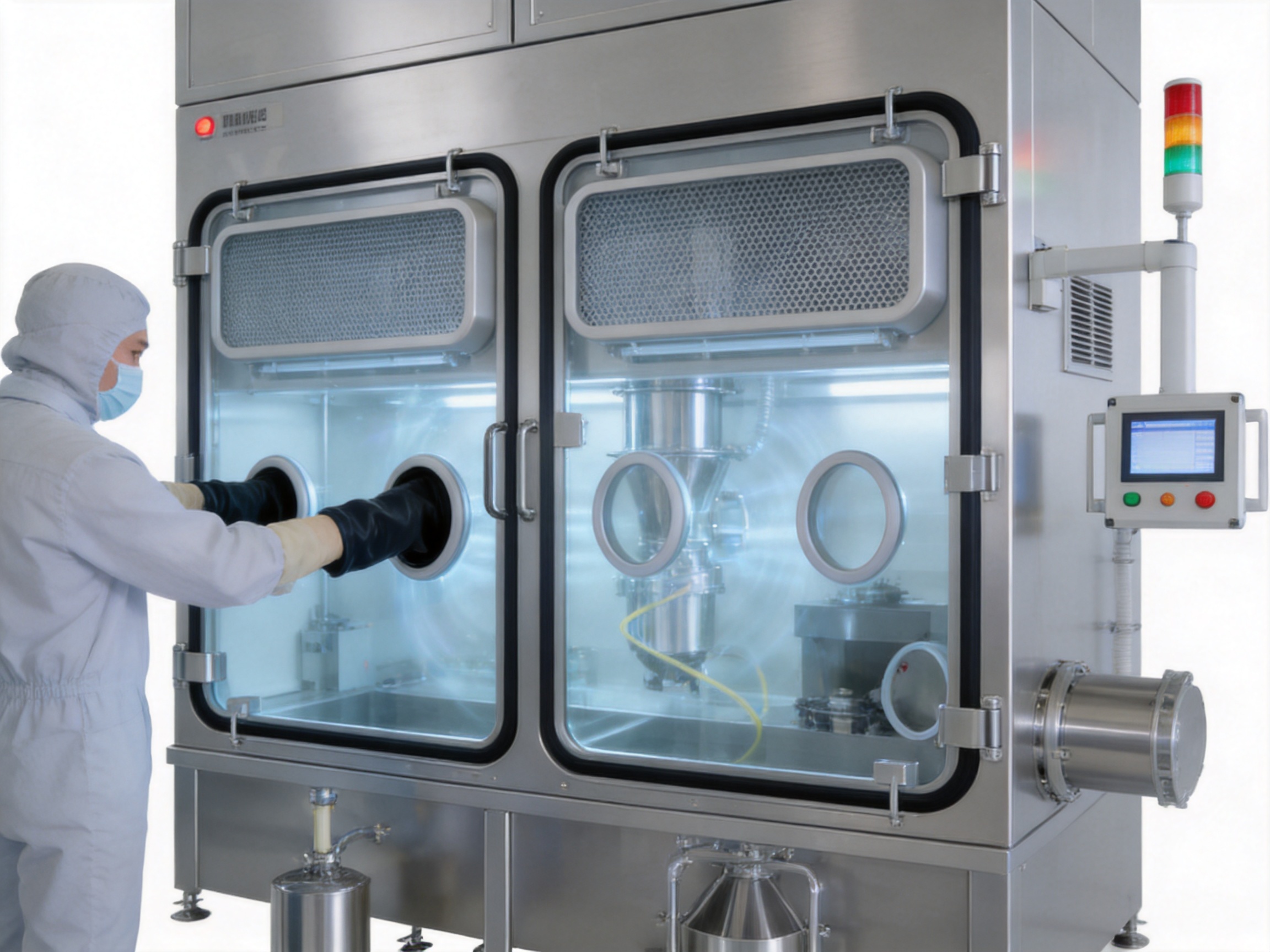
Research and development environments require flexibility. A development line may be used for multiple formulations, different batch sizes, changing process routes, and frequent equipment evaluation. A system that is optimized for only one fixed product may become restrictive as the development program expands.
The GFH line is available in several nominal capacity models, including GFH-1, GFH-3, GFLH-5, GFLH-10, and GFLH-20. The stated batch capacities range from 1 kg to 20 kg. This range allows customers to select a configuration that matches the development stage, formulation quantity, and available facility space.
| Item | Unit | GFH-1 | GFH-3 | GFLH-5 | GFLH-10 | GFLH-20 |
|---|---|---|---|---|---|---|
| Capacity | kg per batch | 1 | 3 | 5 | 10 | 20 |
| Total power | kW | 6.2 | 8.15 | 6.9 | 10.65 | According to design |
| Electrical heater power | kW | 4.5 | 4.5 | 4.5 | 9 | According to design |
| Protection level | — | OEB4/OEB5 | OEB4/OEB5 | OEB4/OEB5 | OEB4/OEB5 | OEB4/OEB5 |
| Airflow mode | — | Turbulence | Turbulence | Turbulence | Turbulence | Turbulence |
| Ventilation frequency | air changes per hour | More than 15 | More than 15 | More than 15 | More than 15 | More than 15 |
| Operating cabin pressure | Pa | -50 to -150 | -50 to -150 | -50 to -150 | -50 to -150 | -50 to -150 |
| Compressed-air consumption | m³/h | 0.2 | 0.3 | 0.6 | 0.9 | According to design |
| Compressed-air pressure | MPa | 0.4 to 0.6 | 0.4 to 0.6 | 0.4 to 0.6 | 0.4 to 0.6 | 0.4 to 0.6 |
| External dimensions | mm | According to design | According to design | According to design | According to design | According to design |
| Machine weight | kg | According to design | According to design | According to design | According to design | According to design |
The parameter table provides a general reference rather than a complete equipment specification. External dimensions and final machine weight are determined according to the selected process arrangement, containment configuration, utilities, access requirements, and site conditions. This design-based approach is important because a high-containment line must be adapted to the available room, material flow, maintenance route, and connection points.
A modular configuration can also help customers expand their capabilities over time. A laboratory-scale system may initially be used for formulation screening and process development. Later, a larger model or additional downstream equipment may be integrated as the product moves toward pilot production. This approach can reduce the need to redesign the entire process from the beginning.
The line can be equipped with accessories that support contained packaging, transfer, and maintenance operations. A PE bag handling kit can assist with the controlled management of plastic bags used for product collection or waste handling. Sealing clamps help secure flexible connections and maintain the integrity of transfer assemblies. Packaging tools can support final product collection and preparation for the next manufacturing stage.
These accessories may appear simple, but they are important to the practical operation of a high-containment line. A process can lose much of its safety benefit if operators must improvise at the end of a batch. Properly designed packaging and sealing tools help ensure that containment continues during product collection, bag closure, and removal from the process area.
Optional online glove integrity testing can provide additional assurance that the operator interface remains suitable for use. Gloves are critical containment components, and their condition may change through repeated movement, contact with equipment, cleaning, or exposure to process materials. A defined glove inspection and testing program can help identify problems before production or confirm integrity during scheduled maintenance activities.
Safe glove replacement is another optional function. Replacing a damaged glove without an appropriate procedure may create a direct exposure risk. A dedicated replacement method allows the old glove to be removed and the new glove to be installed while maintaining the necessary containment controls. The precise method should be selected according to the glove-port design, product hazard, decontamination strategy, and facility procedures.
The most important advantage of the GFH production line is the integration of containment with the complete solid dosage process. Conventional systems may use separate machines for granulation, drying, blending, and discharge, with operators manually transferring material between them. Although such equipment may be suitable for low-risk powders, it can create multiple exposure points when used with highly potent substances.
The integrated line reduces the number of manual transfer steps. Wet granules move to the fluidized bed by vacuum transfer, dried material proceeds through controlled discharge, and finished granules are delivered through an AB valve. Fewer manual operations can translate into lower exposure potential, shorter processing time, reduced material loss, and improved process consistency.
A second advantage is the combination of active and passive containment. The isolator provides a physical barrier, while controlled pressure, exhaust, filtration, alarms, and emergency logic actively manage airflow. This is more comprehensive than relying on personal protective equipment or room ventilation alone.
A third advantage is configuration flexibility. Glove ports, half-suits, robotic systems, RTPs, transfer chambers, sleeve systems, inflatable seals, mechanical seals, and filter arrangements can be selected according to the customer's requirements. A configurable platform is more likely to remain useful as products, batch sizes, and operating procedures change.
A fourth advantage is its suitability for research and development. The capacity range from 1 kg to 20 kg supports a broad range of laboratory and pilot activities. Development teams can investigate formulation behavior under process conditions that more closely resemble production, while still maintaining a high level of operator protection.
A fifth advantage is process visibility. The logic controller and HMI provide a central interface for managing the sequence and monitoring the operating state. This can make the process easier to standardize than a collection of manually operated machines with independent controls.
A sixth advantage is engineering adaptability. External dimensions, machine weight, utility requirements, and equipment layout can be determined according to the project design. This is important for customers working in existing facilities where space, ceiling height, access doors, cleanroom classifications, and utility capacity may impose restrictions.
The equipment is supplied by Changzhou Zhiyang Machinery Equipment Co., Ltd., a China-based manufacturer specializing in powder processing and oral solid dosage equipment. Founded in 2010 and located in Changzhou, the company develops standalone machines, modular systems, and complete production lines for pharmaceutical, biopharmaceutical, biotechnology, nutraceutical, veterinary, additives, and related industries.
The company's strength is based on process integration rather than equipment supply alone. Powder-processing performance depends on material characteristics, moisture sensitivity, particle size, flowability, cohesiveness, potency, and thermal behavior. A successful production line must therefore be engineered around the formulation and process route. The manufacturer's process-driven approach uses material properties, capacity targets, and site conditions as the basis for equipment selection and system design.
This approach can provide an advantage over suppliers that offer standard machines without sufficient attention to the complete process. A high-containment line must connect unit operations correctly, coordinate pressure and airflow, provide suitable transfer interfaces, and support cleaning and maintenance procedures. Engineering these relationships requires experience in both mechanical equipment and pharmaceutical process requirements.
The company supplies equipment for laboratory, pilot, and full-scale production. This range allows development work and manufacturing work to be considered within the same broader equipment portfolio. Customers can obtain laboratory equipment, mixing systems, granulation equipment, drying systems, coating equipment, auxiliary processing equipment, and transfer and conveying systems from one specialized source.
Its product-development activities include strengthening research and development capabilities, developing patented technologies, obtaining quality system certification, and expanding overseas service capabilities. These activities support the company's ability to provide customized equipment and engineering implementation plans for international customers.
Manufacturing strength is also reflected in the emphasis on practical process routes, reliability, service response, and cost control. For a high-containment installation, the purchase price is only one part of the total project value. Equipment availability, maintenance access, replacement components, operator training, documentation, and technical support can have a major effect on the long-term cost of ownership.
A supplier capable of handling project design, equipment manufacturing, integration, and service coordination can reduce communication gaps between different vendors. This may simplify project management and make it easier to assign responsibility for system performance.
Before selecting a high-containment production line, customers should define the intended material characteristics and process objectives. The active ingredient's potency, occupational exposure limit, toxicity, sensitization potential, dustiness, particle size, and electrostatic behavior will influence the containment strategy.
Batch size is another important consideration. A nominal capacity of 1 kg, 3 kg, 5 kg, 10 kg, or 20 kg does not automatically represent the usable capacity for every formulation. Bulk density, fill level, granulation behavior, and equipment working volume affect the actual operating range. Process trials should be used to confirm the appropriate model and operating window.
The customer should also specify the required dosage form and downstream process. If the final product will be compressed into tablets, the granule properties may need to meet particular flow and compressibility targets. If the granules will be filled into capsules or packaged directly, different requirements may apply. The line should be configured to support the intended product quality attributes.
Facility conditions must be considered during design. These include room dimensions, cleanroom classification, temperature, humidity, available electrical power, compressed-air pressure, exhaust arrangements, floor loading, maintenance access, personnel flow, material flow, and waste-handling procedures.
Containment verification should be planned at the beginning of the project. The customer and equipment supplier should agree on the applicable testing methods, acceptance criteria, glove-integrity requirements, pressure-control performance, filter integrity, alarm functions, and emergency-mode response. A properly designed validation strategy helps confirm that the equipment is suitable for the intended hazard and process.
Cleaning is equally important. High-potency production equipment must be designed so that product-contact surfaces can be cleaned, inspected, and, where applicable, decontaminated without creating an uncontrolled release. Customers should define whether the system will use manual cleaning, contained washing, dry cleaning, vacuum cleaning, or another validated method.
Reliability in a development or production environment depends on both equipment construction and operating discipline. A high-containment line should be easy to inspect and maintain while preserving the containment boundary. Components such as seals, gloves, filters, valves, sensors, and flexible connections should be included in a preventive-maintenance program.
Glove ports require regular visual inspection and, where appropriate, integrity testing. Door seals should be checked for damage, deformation, loss of elasticity, or improper seating. RTP and AB valve interfaces should be inspected for wear and verified for correct interlocking. Filters should be monitored according to pressure drop, service life, process loading, and the facility's maintenance plan.
The HMI and control system can support maintenance by providing alarms, status information, and operating history. However, electronic monitoring should complement rather than replace physical inspection and documented procedures.
Training is also essential. Operators should understand normal startup and shutdown, material transfer, emergency response, glove-port operation, alarm acknowledgement, product discharge, cleaning, and waste handling. Maintenance personnel should receive additional training on filter replacement, seal servicing, glove replacement, and decontamination procedures.
When equipment is designed for long-term service, maintainability becomes a competitive advantage. A system that provides convenient access to serviceable components can reduce downtime and improve the efficiency of technical support. The project design should therefore consider how replacement parts, tools, lifting devices, and maintenance personnel will enter the equipment area.
The GFH line is primarily intended for highly potent solid dosage production and development. Potential applications include anticancer drug formulations, highly sensitizing active ingredients, potent compounds requiring OEB4/OEB5 handling, and other powder-based pharmaceutical products that require a controlled enclosed process.
It may also be relevant to biopharmaceutical and biotechnology companies developing small-batch solid products, contract development and manufacturing organizations working with multiple potent compounds, and research institutions that need a safer route for formulation evaluation.
Nutraceutical and veterinary manufacturers may also benefit when their formulations contain sensitizing powders, high-value ingredients, or components requiring strict separation from the surrounding environment. The system's suitability for a particular application should always be confirmed through a formal hazard assessment and process evaluation.
Because the line supports wet granulation, drying, dry granulation, and mixing, it can be used for process development before tablet compression, capsule filling, or other final dosage operations. It can therefore serve as a contained front-end platform in a wider oral solid dosage manufacturing strategy.
A successful project generally begins with a technical discussion covering the formulation, batch size, process route, containment objective, facility layout, utilities, cleaning method, and automation requirements. The manufacturer can then prepare a design concept based on the customer's process and site conditions.
Customization may include the number and location of glove ports, selection of half-suits or robotic handling, RTP size, transfer-chamber arrangement, sleeve systems, door-seal type, filter configuration, discharge method, hopper design, control architecture, and external equipment dimensions.
The project may also include documentation and engineering support for installation, commissioning, qualification, operating procedures, maintenance, and training. The precise documentation package should be agreed before order placement and matched to the customer's quality system.
Factory testing can be used to verify equipment operation before shipment. Site testing can then confirm installation, utility connections, airflow, pressure control, alarms, transfer interlocks, and process functions in the customer's facility. For high-containment applications, performance testing should be planned in cooperation with the customer's quality and safety teams.
This structured approach helps ensure that the line is not only mechanically complete but also usable within the customer's pharmaceutical quality system. It also gives the project team an opportunity to identify potential issues before routine production begins.
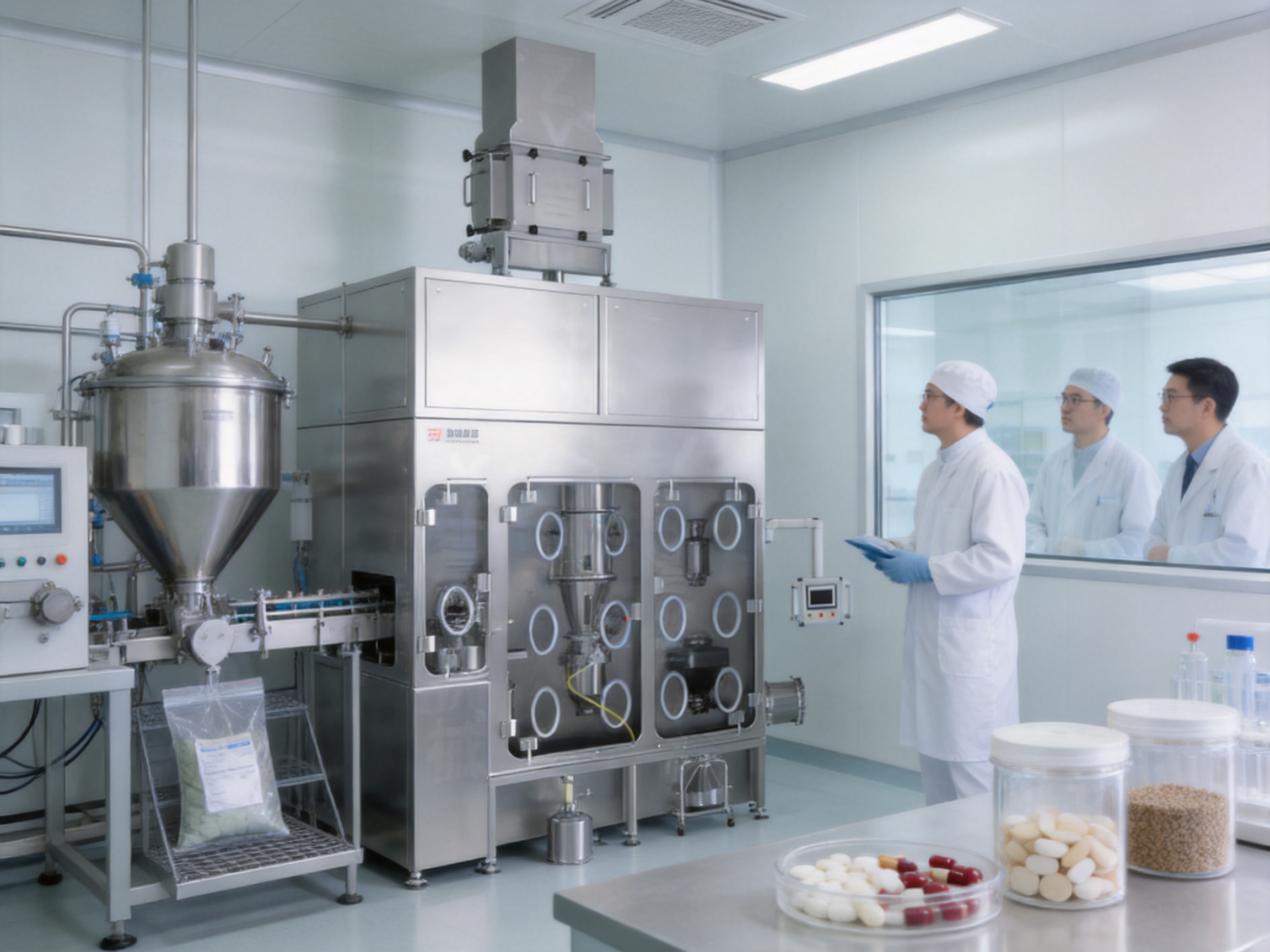
The line is designed for solid dosage materials such as tablets, capsules, and granules, particularly formulations containing highly potent, hazardous, or highly sensitizing compounds. The main integrated operations include wet granulation, fluidized-bed drying, dry granulation, and mixing. Final tablet compression or capsule filling may be performed by downstream equipment according to the customer's production plan.
The stated protection level is OEB4/OEB5. The final containment performance must be confirmed for the specific product, process, operating procedure, facility, and acceptance criteria. Appropriate containment testing, qualification, and routine monitoring should be included in the project plan.
Materials are transferred into the isolator through an RTP valve. Transfer chambers, sleeve systems, and other controlled material-transfer options can also be considered according to the package type, process requirements, and site layout.
Wet granules are transferred from the wet granulation vessel to the fluidized bed by vacuum transfer. This reduces manual lifting and helps preserve the contained process route between granulation and drying.
After drying and downstream processing, the finished granules are discharged through an AB valve arrangement. A flip-valve or vacuum discharge system can be selected for certain intermediate discharge operations.
The system can be configured with various glove ports, half-suits, or robotic systems. The appropriate option depends on the required intervention level, process complexity, batch size, and desired degree of automation.
The air-handling system can use replaceable dual-layer HEPA filters, including PUSHPUSH-type filters or bag-in/bag-out filters. The final selection should reflect the facility's containment, maintenance, and waste-handling strategy.
The emergency mode can activate alarms, adjust fan speed, maximize exhaust, close air inlets, and control the internal airflow response. The system is designed to maintain airflow above 0.5 m/s during the emergency response, helping prevent the escape of potent material. The complete response must be verified during commissioning and qualification.
Yes. External dimensions and machine weight are determined according to the project design. The equipment can be adapted to site conditions, available utilities, material flow, maintenance access, and the selected containment configuration.
The listed models provide nominal capacities of 1 kg, 3 kg, 5 kg, 10 kg, and 20 kg per batch. Actual operating capacity depends on material density, formulation behavior, equipment working volume, and process parameters.
Online glove integrity testing is available as an optional feature. Safe glove replacement can also be included. These functions should be incorporated into the customer's maintenance and containment-verification program.
Potential users include pharmaceutical manufacturers, contract development and manufacturing organizations, research laboratories, biotechnology companies, and other organizations handling highly potent solid materials. A formal process and hazard assessment should be completed before equipment selection.
The GFH R&D High-Containment Solid Dosage Production Line provides an integrated solution for the development and controlled production of potent pharmaceutical granules and solid dosage materials. Its process route combines RTP charging, wet granulation, vacuum transfer, fluidized-bed drying, controlled discharge, dry granulation, mixing, and AB valve discharge within an enclosed isolator environment.
The system's principal advantages are its focus on OEB4/OEB5 containment, reduced manual material handling, flexible operator-access options, controlled airflow, dual-layer HEPA filtration, emergency response logic, and adaptable equipment design. These features distinguish it from less integrated systems that depend heavily on open transfers, personal protective equipment, or separate machines with limited coordination.
Its value is further strengthened by the manufacturer's process-integration capabilities. With experience in powder processing, oral solid dosage equipment, modular systems, complete production lines, research and development, and international service, Changzhou Zhiyang Machinery Equipment Co., Ltd. can support customers from process concept through equipment engineering and implementation.
For pharmaceutical organizations handling highly potent compounds, the appropriate solution is not simply the largest or most automated machine. It is a system that matches the formulation, hazard level, batch size, facility, cleaning method, operator workflow, and quality requirements. When properly specified, installed, validated, and operated, an integrated high-containment line can help protect personnel, preserve product quality, improve process consistency, and create a safer foundation for future solid dosage development.
1. General principles of pharmaceutical powder containment and occupational exposure band management.
2. Good manufacturing practice guidance for pharmaceutical production equipment, facilities, and process control.
3. Principles of isolator design, pressure cascade management, and high-efficiency particulate air filtration.
4. Technical guidance for rapid transfer ports, split-valve systems, and contained powder transfer.
5. Pharmaceutical process-development principles for wet granulation, fluidized-bed drying, dry granulation, and blending.
6. Equipment qualification principles covering design qualification, installation qualification, operational qualification, and performance qualification.
7. Good documentation and data-integrity practices for automated pharmaceutical manufacturing systems.
8. Guidance for glove integrity testing, safe glove replacement, and maintenance of high-containment isolators.
Want to stay up to date?
Contact us via the email address below.
Don't worry about spam. We hate it too!
Mobile Client

Video Account
Phone:+86-15161130178
Tel:+86-519-88674267
Email:czzy188@163.com
Phone:+86-15161132798
Email:zy@zy-drying.com

WeChat ID

Copyright 2026 Changzhou Zhiyang Machinery Equipment Co., Ltd. All Rights Reserved  Oral Solid Dosage Equipment Manufacturer