 English
 Español
 русский
 中文简体

XF Horizontal Fluid-bed Dryer
The XF horizontal fluidized bed dryer, also known as a fluidized bed, has b.....

Content
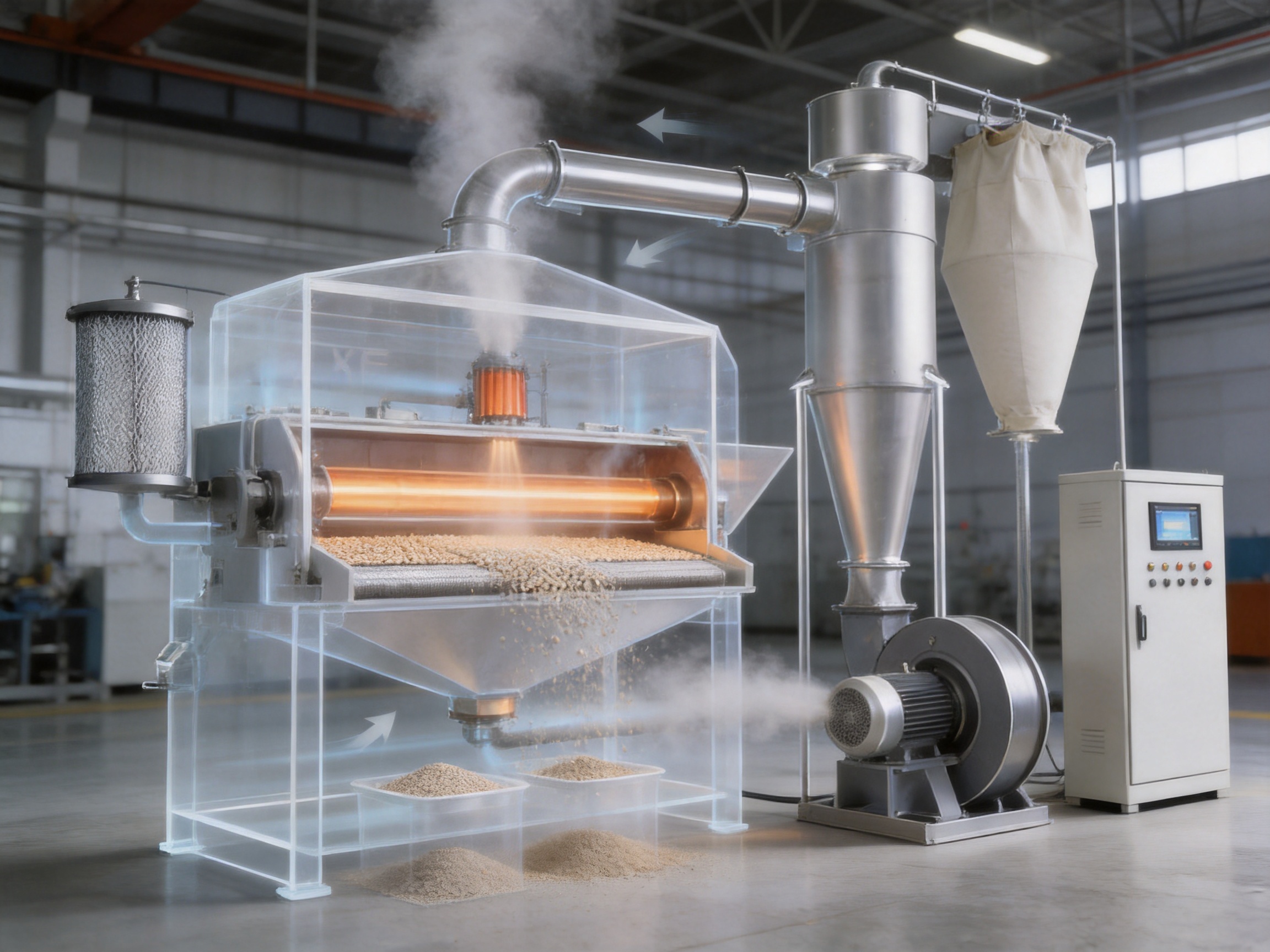
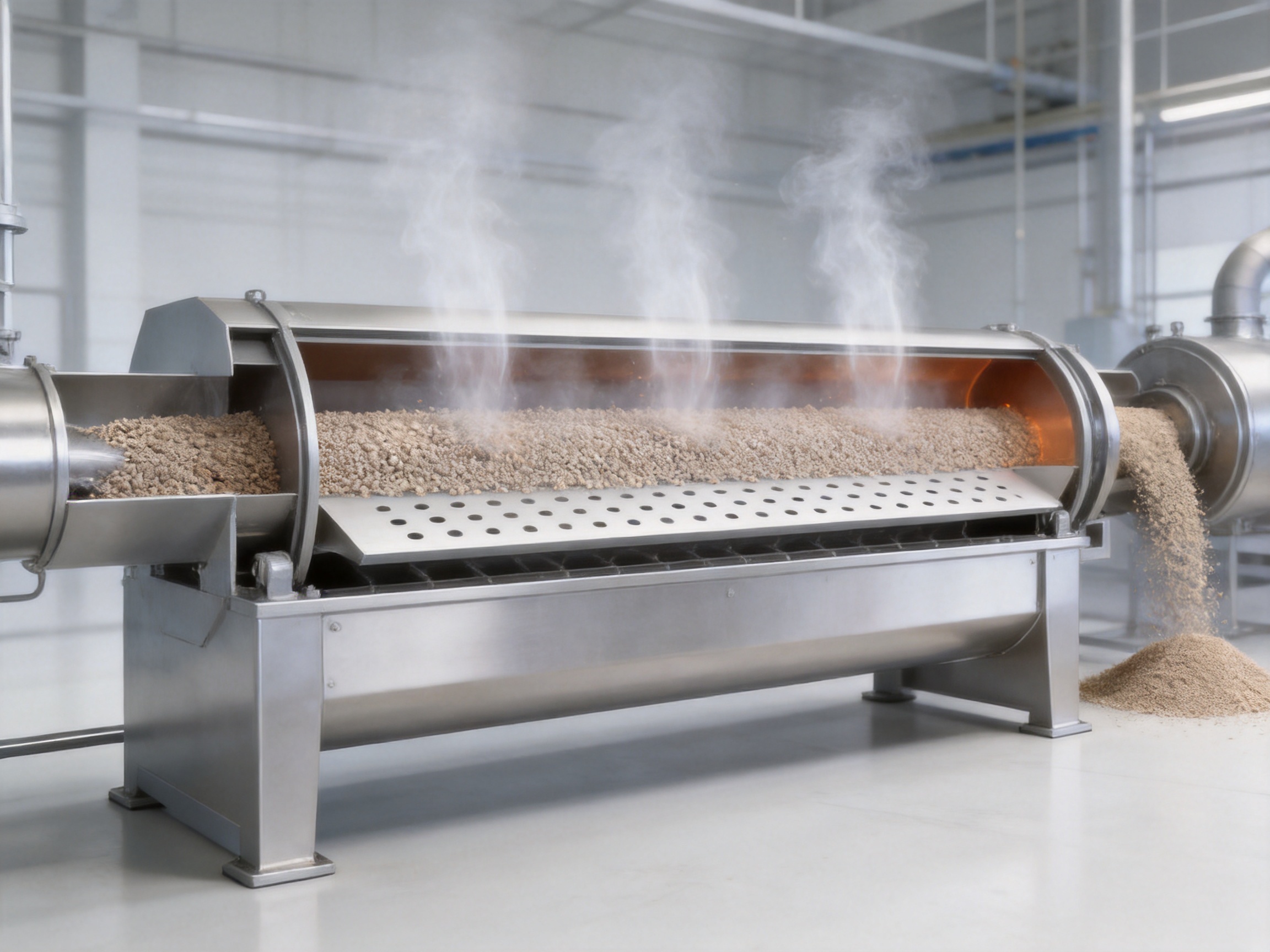
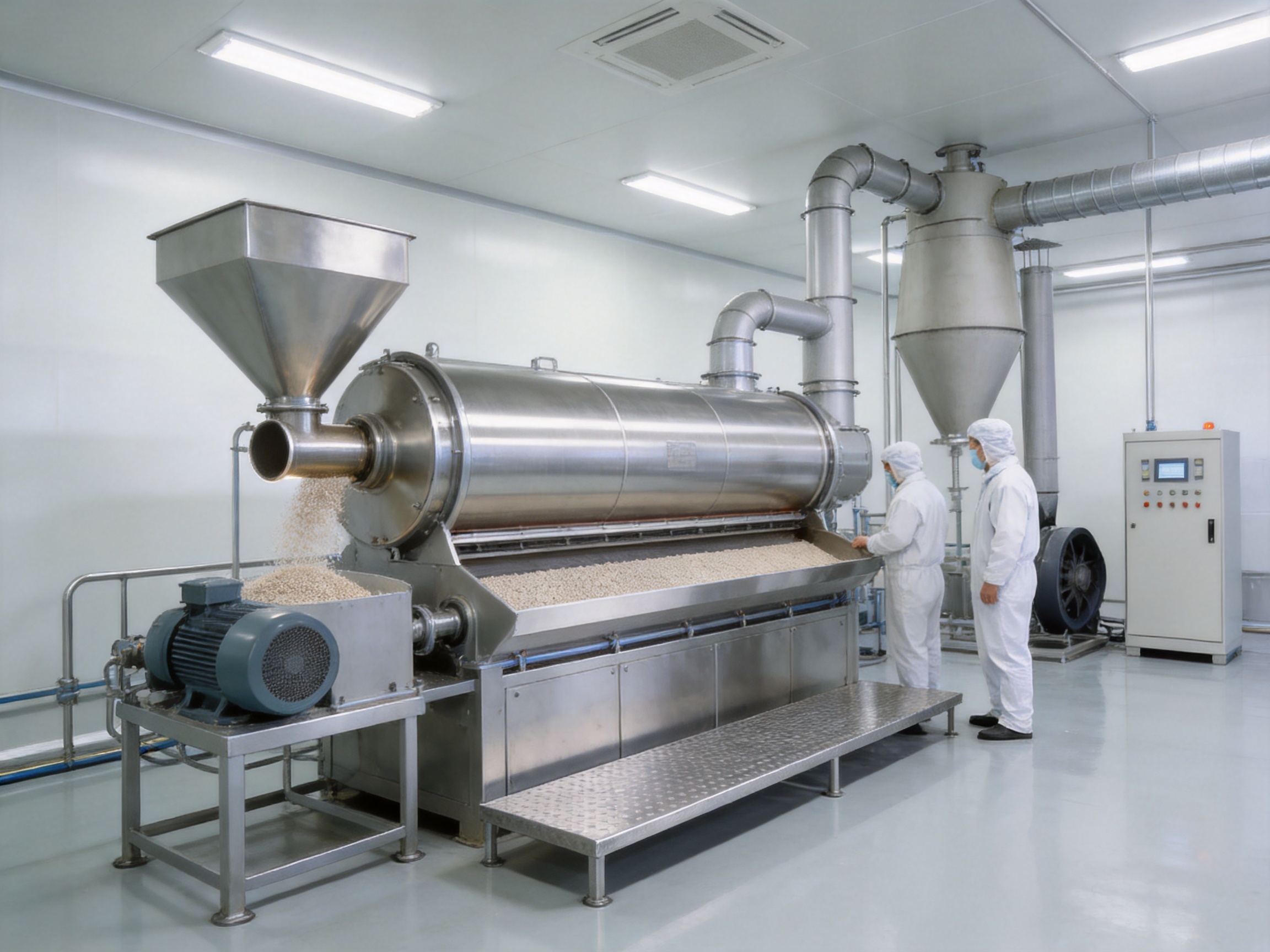
Reliable drying is one of the most important operations in pharmaceutical, chemical, food, grain, feed, and related powder-processing industries. Moisture content affects product stability, flowability, compressibility, storage life, microbial safety, handling performance, and downstream processing. For this reason, a drying system must do more than remove water. It must provide consistent heat and mass transfer, protect product quality, control dust, operate safely, and adapt to different production requirements.
The XF horizontal fluid-bed dryer is designed to meet these requirements through controlled fluidization, efficient hot-air distribution, negative-pressure operation, and flexible dust-collection configurations. It can be used for both continuous and batch drying and is suitable for many powdery and granular materials, including active pharmaceutical ingredients, tablet granules, herbal granules, health supplements, beverage powders, feed, grains, plastic resins, citric acid, and other process materials.
With a working design refined over more than 30 years, the XF series combines a horizontal fluidized-bed chamber with an air filter, cyclone separator, bag dust collector, high-pressure centrifugal fan, feeding system, and control console. The equipment can be configured according to material density, particle size, moisture content, dust characteristics, required throughput, and site conditions.
ZY Machinery develops and manufactures process equipment for powder processing and oral solid dosage production. Its experience in laboratory, pilot-scale, and full-scale systems enables the XF dryer to be integrated into complete manufacturing lines or used as an independent drying unit. The result is a practical solution for manufacturers seeking stable drying performance, flexible operation, and dependable engineering support.
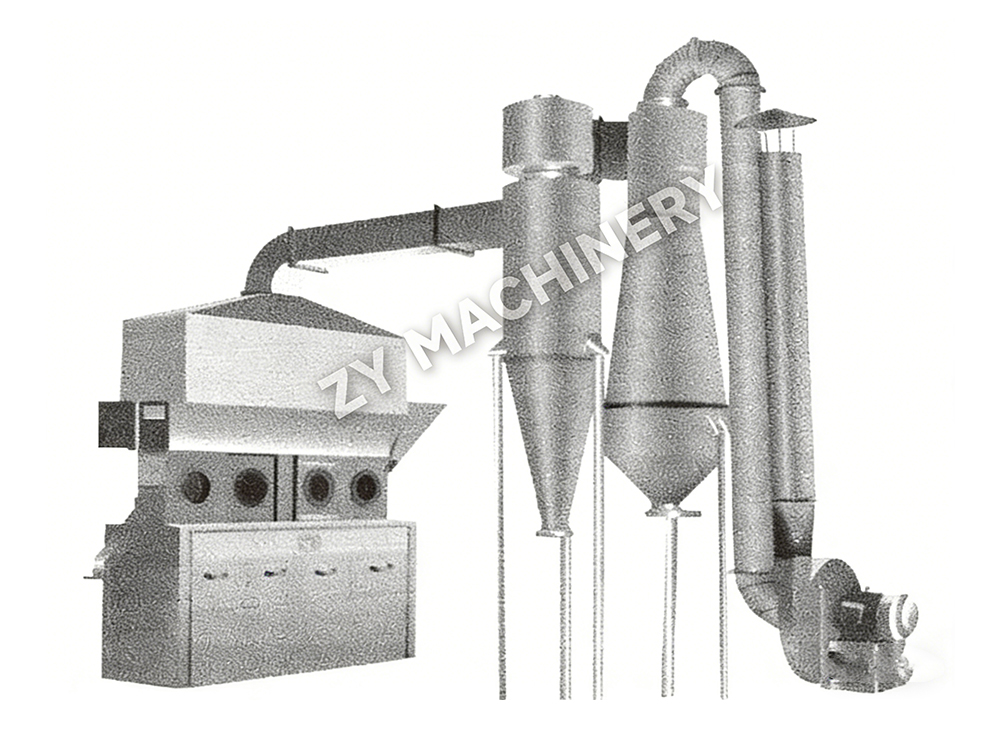
XF Horizontal Fluid-bed Dryer
A horizontal fluid-bed dryer uses heated air to suspend and move wet particles across a perforated or specially designed air-distribution plate. When air passes upward through the material at a suitable velocity, the particles become fluidized. In this state, the material behaves in a manner similar to a boiling fluid. The large contact area between the particles and the heated air promotes rapid evaporation of surface moisture and accelerates internal moisture migration.
In the XF design, material is introduced into a horizontal bed rather than being processed only in a vertical vessel. The air enters through a valve plate or air-distribution system beneath the bed. The wet material is lifted, mixed, and conveyed by the air stream while moving from the feeding side toward the discharge side. Depending on the selected operating mode, the residence time may range from several seconds to several minutes.
For continuous operation, wet material enters one end of the dryer and progressively travels toward the opposite end as drying takes place. The residence time is determined by air velocity, material loading, bed configuration, feed rate, moisture content, particle properties, and the internal conveying arrangement. For batch processing, the dryer can be loaded with a defined quantity of material and operated until the target moisture level is achieved.
The drying air is normally operated under negative pressure. This means that the fan draws air through the system rather than forcing air outward through possible gaps. Negative-pressure operation helps reduce the escape of powder into the surrounding production area and supports safer, cleaner process control.
Ambient or conditioned air first passes through the air-filtering section. Filtration helps remove unwanted particles before the air enters the process chamber. In pharmaceutical and food applications, air quality is especially important because the drying medium directly contacts the product. The air-treatment arrangement can be selected according to the hygiene standard, product sensitivity, and production environment.
After filtration, the air is heated to the required inlet temperature. The specified inlet-air temperature range for the XF series is generally 60 to 200°C. The actual temperature used in production depends on the product’s thermal sensitivity, initial moisture content, desired final moisture level, and the evaporation load.
Hot, clean air is distributed evenly into the drying bed through a valve
Want to stay up to date?
Contact us via the email address below.
Don't worry about spam. We hate it too!
Mobile Client

Video Account
Phone:+86-15161130178
Tel:+86-519-88674267
Email:czzy188@163.com
Phone:+86-15161132798
Email:zy@zy-drying.com

WeChat ID

Copyright 2026 Changzhou Zhiyang Machinery Equipment Co., Ltd. All Rights Reserved  Oral Solid Dosage Equipment Manufacturer