 English
 Español
 русский
 中文简体

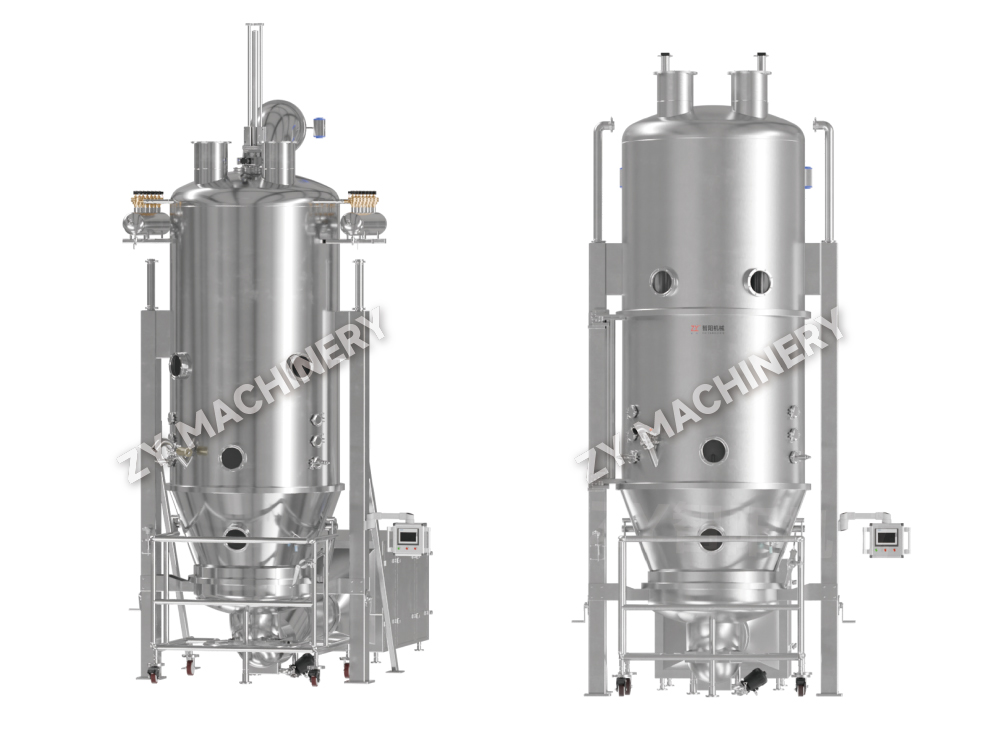
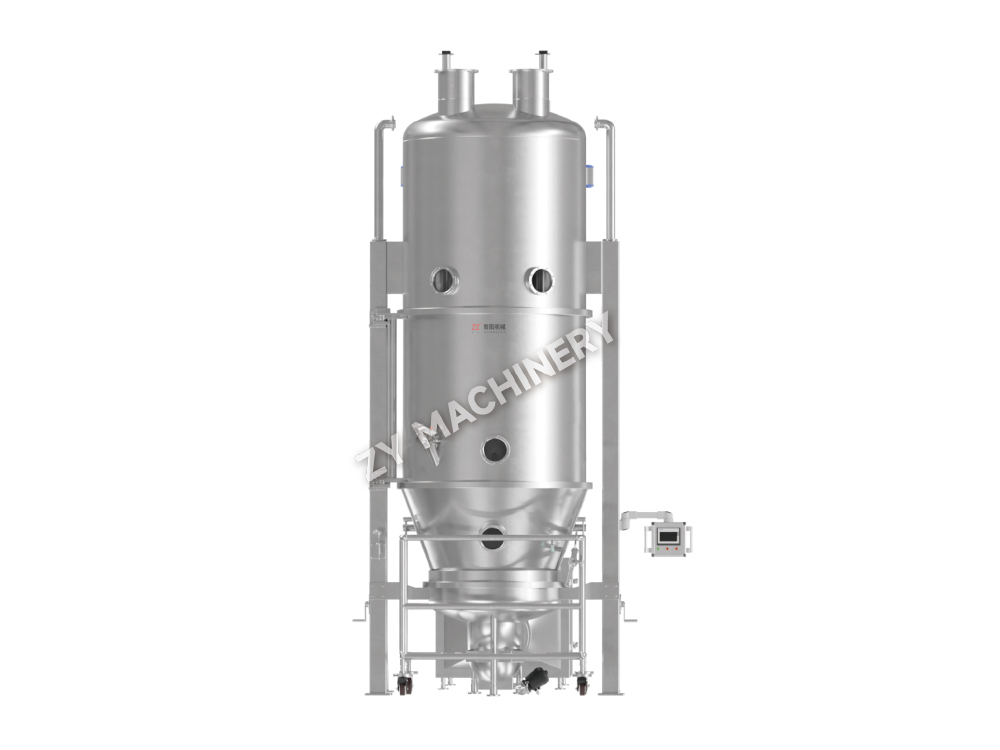
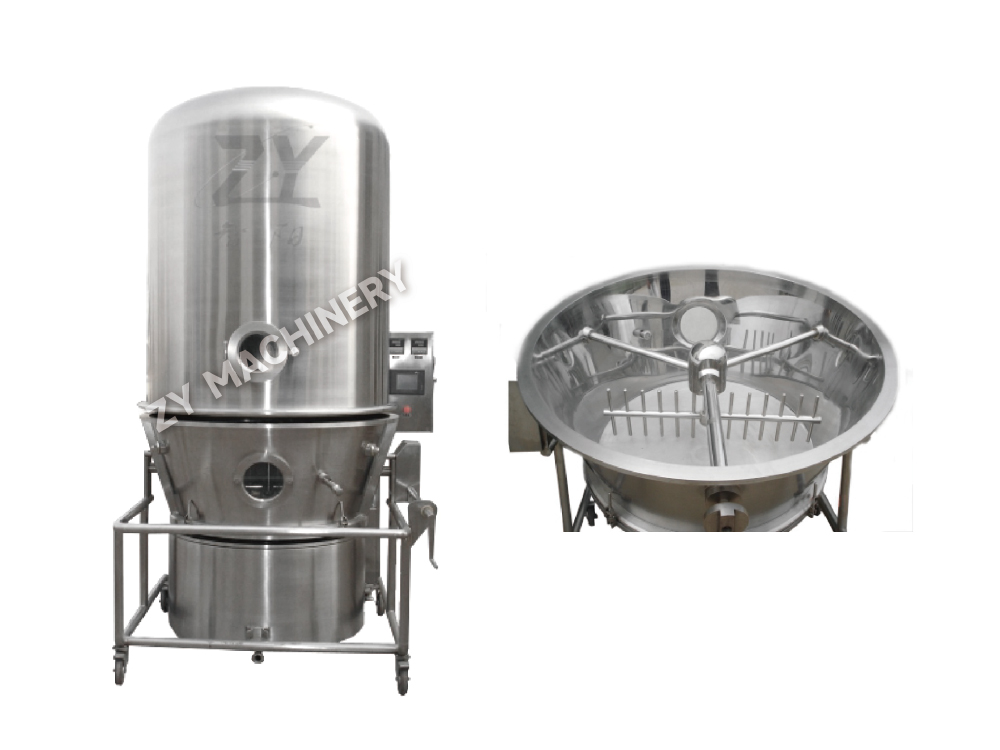
XF Horizontal Fluid-bed Dryer
The XF horizontal fluidized bed dryer, also known as a fluidized bed, has b.....

Content
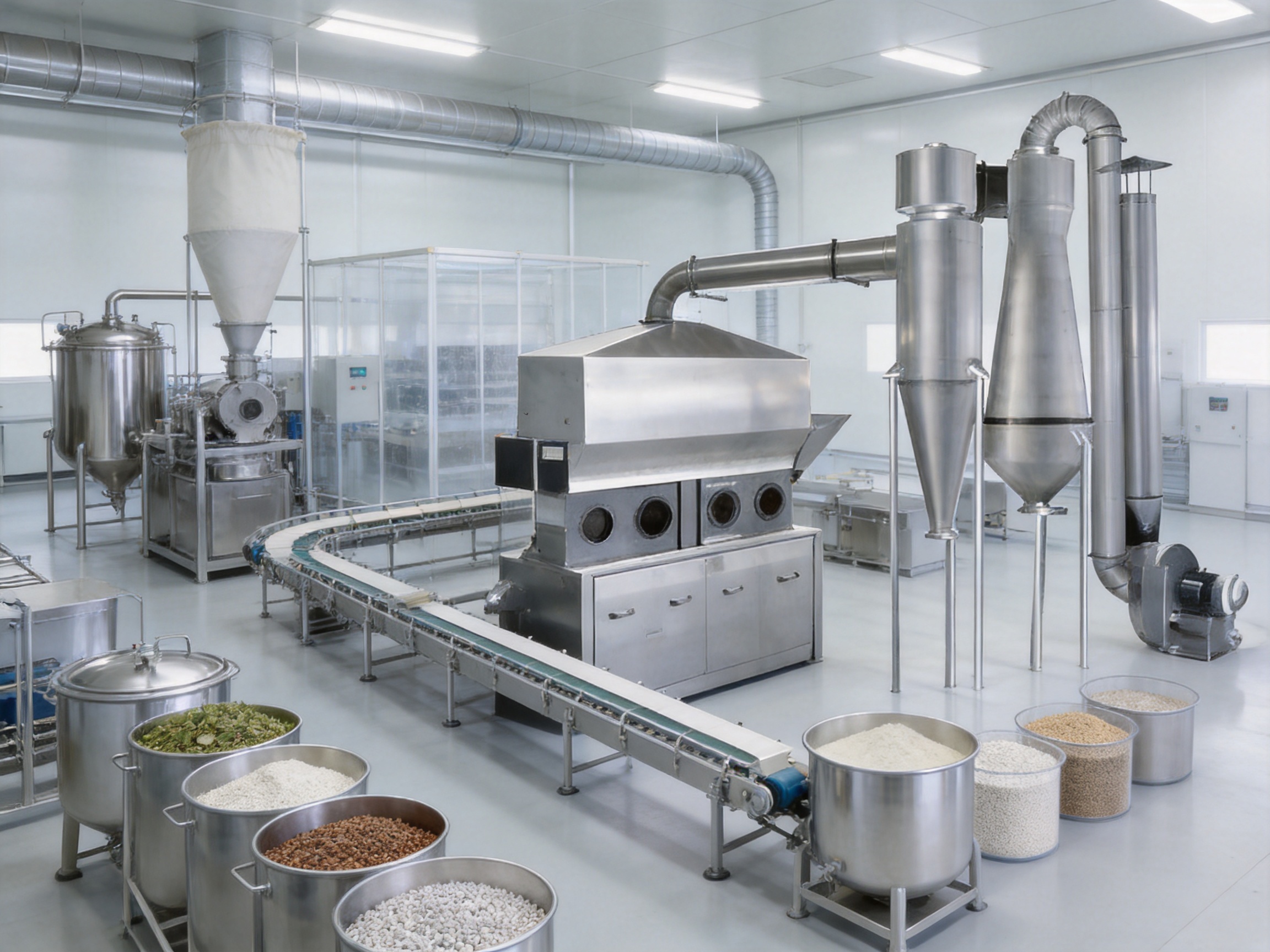
Drying is one of the most important operations in pharmaceutical, chemical, food, grain, feed, and specialty-material production. The quality of the drying stage affects product stability, flowability, particle integrity, residual moisture, downstream processing, storage life, and overall manufacturing efficiency. For powdery and granular materials, a fluidized-bed dryer can provide rapid and uniform heat and mass transfer while reducing the risk of prolonged exposure to elevated temperatures.
The XF horizontal fluid-bed dryer is designed for the continuous or batch drying of wet powders and granules. Its horizontal configuration allows material to move progressively through the drying chamber while clean heated air passes upward through a valve plate or air-distribution surface. As the particles become fluidized, moisture is transferred from the product into the moving air stream and removed through the exhaust system.
Developed for demanding industrial applications, the XF dryer combines a controlled airflow system, a horizontal fluidized-bed main unit, dust-separation equipment, a high-pressure centrifugal fan, and an operating control console. Depending on material density, particle size, dust loading, and production requirements, the exhaust side can be equipped with a cyclone separator, a bag filter, or both.
This equipment is particularly suitable for manufacturers seeking a flexible drying platform that can be adapted to different materials and production scales. It can process pharmaceutical granules, active pharmaceutical ingredients, herbal granules, nutraceutical products, beverage powders, feed, grains, plastic resins, citric acid, and other powdery or granular materials.
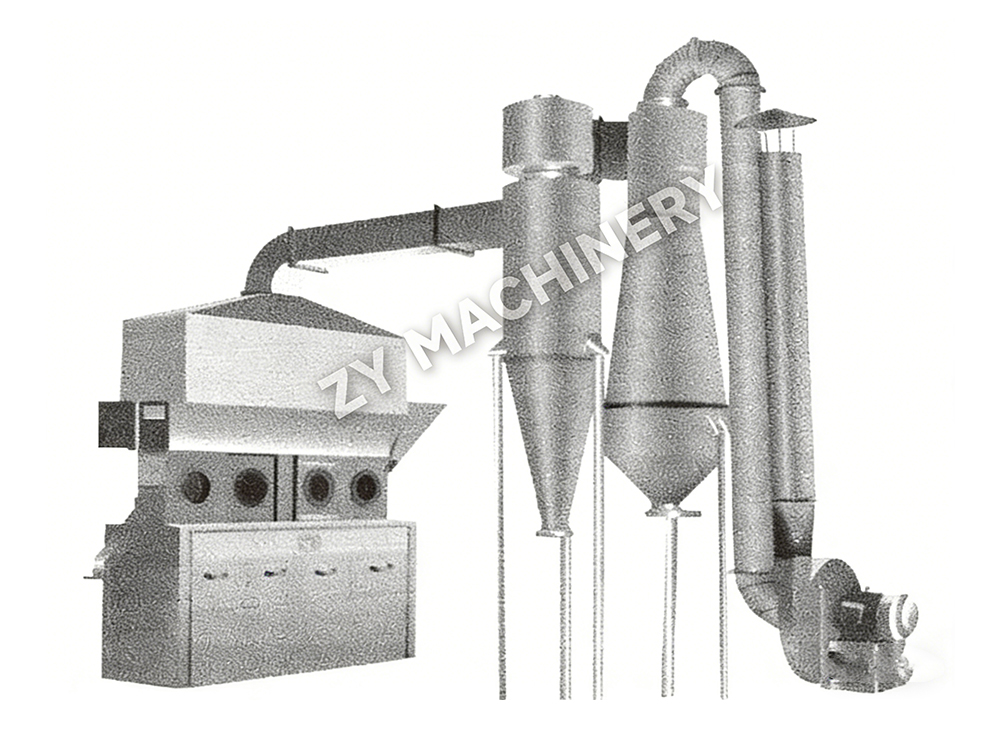
XF Horizontal Fluid-bed Dryer
Many wet materials cannot be dried effectively through simple static heating. If the particles remain in a fixed bed, the material near the heat source may become overheated while the internal portion remains wet. This can create uneven moisture distribution, agglomeration, discoloration, degradation, and extended processing times.
Fluidized-bed technology addresses these challenges by suspending particles in an upward-moving air stream. When the airflow reaches the appropriate velocity, the particles become partially or fully fluidized. They move, separate, and contact the heated air over a large effective surface area. This improves heat transfer from the air to the product and accelerates the movement of moisture from the particles into the exhaust stream.
The horizontal arrangement introduces an additional process advantage. Instead of loading the entire product quantity into one stationary chamber, material can be conveyed from the feed end toward the discharge end. During this travel, the product is exposed to controlled drying conditions. The residence time can be adjusted through operating parameters, material loading, air velocity, and equipment configuration.
In batch operation, the chamber is loaded with a defined quantity of wet material and operated until the target moisture content is reached. This mode is useful for products requiring flexible batch sizes, frequent product changes, or close control of individual production lots. In continuous operation, wet material enters one side of the dryer and dried material leaves from the opposite side. This mode is appropriate for stable, high-throughput manufacturing processes.
The XF horizontal fluid-bed dryer supports both approaches, allowing the same basic equipment platform to serve different production strategies. This versatility is important for companies that manufacture multiple products or expect capacity requirements to change over time.
A fluidized-bed dryer is not simply a heated chamber. Reliable operation depends on the coordination of air preparation, distribution, particle movement, dust separation, exhaust handling, and control. The XF system integrates these functions into a complete drying arrangement.
Incoming air passes through an air filtration stage before entering the drying chamber. Clean process air is essential for pharmaceutical, food, nutraceutical, and other applications where product hygiene and contamination control are important. Filtration also helps protect the product from environmental particles and reduces the risk of introducing unwanted contaminants into the process.
The air-handling configuration can be selected according to the required cleanliness level, process temperature, facility conditions, and product characteristics. Manufacturers may specify appropriate filtration grades and downstream components as part of the overall process design.
The main drying chamber is arranged horizontally to support controlled material movement. Wet product is introduced through the feeding system and distributed into the fluidized zone. The air-distribution valve plate helps spread the hot air across the material bed and supports consistent fluidization.
The horizontal structure is suitable for materials that require a defined residence time. As the material progresses through the chamber, moisture removal can be managed through air temperature, airflow, pressure, feed rate, and operating time. This design also supports convenient integration with upstream granulation and downstream conveying or packaging systems.
A cyclone separator can be used to remove relatively heavy entrained particles from the exhaust air. The centrifugal action inside the cyclone causes denser particles to move toward the wall and fall into a collection section, while the cleaned air continues toward the exhaust or secondary filtration stage.
Heavier materials may be suitable for a cyclone separator as the primary dust-collection device. Examples can include certain granules, grains, feed particles, and relatively dense chemical materials. The selection should always be confirmed through testing because actual dust behavior depends on particle size distribution, density, friability, moisture level, and air velocity.
A bag filter can provide additional separation for fine or lightweight particles that may pass through a cyclone. It is particularly useful when the product contains a significant proportion of low-density powder or when stricter exhaust cleanliness is required.
For light materials, the system may use a bag filter alone or combine it with a cyclone separator. The combined arrangement can reduce the dust burden reaching the filter bags and support more stable filtration performance. A pneumatic feeding option may also be selected where the material is light, dusty, or difficult to introduce using a conventional mechanical feeder.
The high-pressure centrifugal fan supplies the airflow necessary for fluidization and maintains the pressure conditions required by the system. Fan selection must match the drying chamber, air-distribution system, dust collectors, ductwork, and process resistance.
The XF product range includes models with fan powers from 7.5 kW to 30 kW. The available air pressure and airflow increase with model size, providing a range of production options for different capacities and materials.
The control console provides a central point for operating and monitoring the drying system. Depending on the configuration, operators can manage fan operation, heating conditions, feeding, drying time, and related process functions. Centralized control supports consistent operation and makes it easier to establish repeatable production procedures.
For pharmaceutical and regulated industries, clear operating procedures and documented process parameters are important. The control arrangement can support the implementation of standard operating procedures, operating records, and process verification activities.
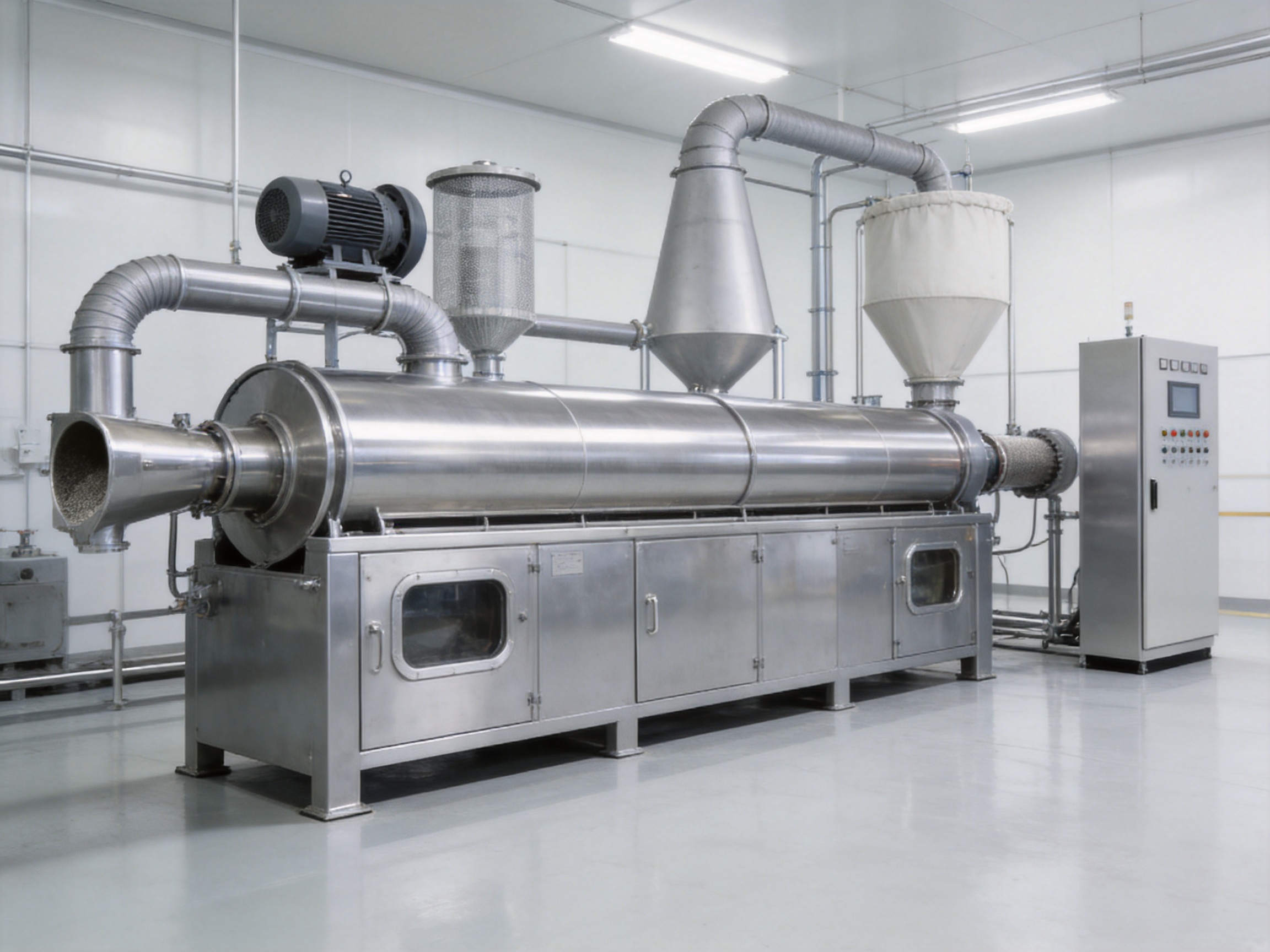
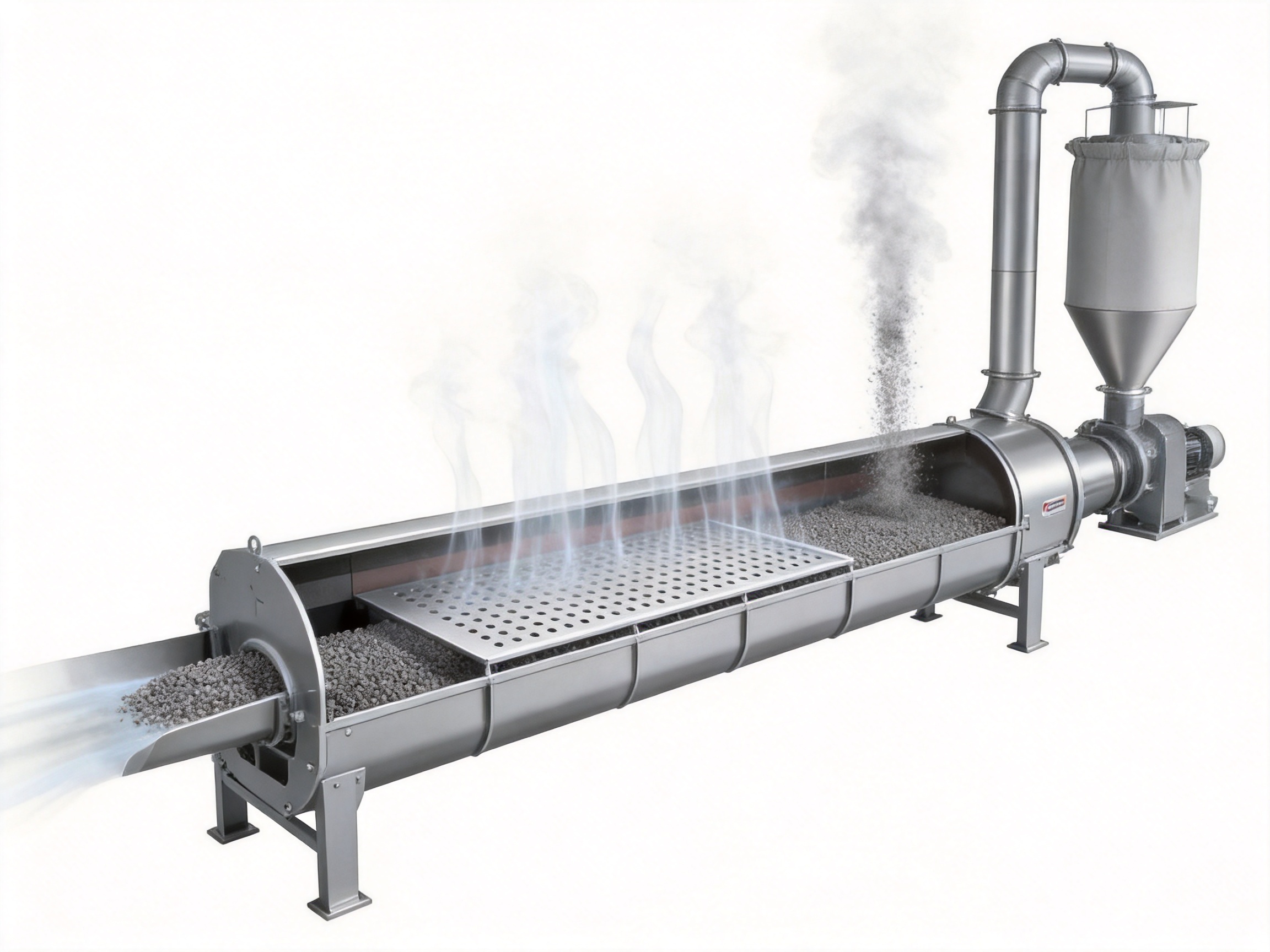
The drying process begins with air intake. Ambient or conditioned air passes through the filter system and is heated to the required inlet temperature. The clean hot air is then directed into the fluidized-bed chamber through the valve plate.
Wet material enters through a star feeder, shape valve, pneumatic conveying system, or another suitable feeding arrangement. Once the material reaches the drying zone, the upward air stream lifts and separates the particles. The particles move within the air stream, creating a fluidized condition that promotes intimate contact between the solid material and heated air.
Heat is transferred from the air to the wet particles. The moisture within the particles evaporates and moves into the surrounding air. The moisture-laden air then leaves the chamber through the exhaust system, carrying entrained dust toward the cyclone separator, bag filter, or combined collection system.
In continuous production, the material travels from the inlet side to the outlet side. The product may remain in the fluidized zone for several seconds to several minutes, depending on its characteristics and the selected operating conditions. The residence time must be long enough to achieve the desired moisture reduction without creating excessive thermal exposure or unnecessary energy consumption.
The process is typically operated under negative pressure. Negative-pressure drying helps prevent untreated process air and dust from escaping into the surrounding production area. It also supports controlled airflow through the system and can improve the working environment when suitable containment and filtration practices are applied.
The exact drying mechanism varies according to particle size, density, initial moisture content, final moisture target, material composition, inlet temperature, airflow, feed rate, and product sensitivity. For this reason, production-scale settings should be established through material testing and process development rather than by applying a single universal recipe.
Fluidization increases the contact area between heated air and individual particles. Compared with static drying, this can promote more even heat distribution and more consistent moisture removal. The movement of particles helps reduce localized wet zones and improves the exposure of the material to the drying air.
Uniformity is especially important for pharmaceutical granules, herbal products, nutraceutical powders, and other materials where moisture variation can affect compressibility, flowability, dissolution, stability, or subsequent coating performance.
The constant movement of particles improves heat transfer and supports rapid evaporation. A shorter drying time can reduce equipment occupancy and increase production flexibility. It may also help limit the period during which heat-sensitive products are exposed to elevated temperatures.
Efficient heat and mass transfer does not mean that every material should be processed at the highest possible temperature. Instead, the process should balance temperature, airflow, residence time, and moisture removal rate. The XF dryer provides a broad inlet-air temperature range of approximately 60°C to 200°C, allowing the process engineer to select conditions appropriate for the product.
Some competing drying systems are optimized for only one operating mode. The XF platform can support both continuous and batch operation, which gives manufacturers greater flexibility when production requirements change.
Batch processing can be advantageous for development work, campaign manufacturing, small production lots, and products requiring strict lot separation. Continuous processing can be advantageous for stable high-volume materials, integrated production lines, and applications where a steady flow of product is preferred.
Material behavior can vary significantly from one product to another. A dense granular product may be effectively separated with a cyclone, while a fine and lightweight powder may require a bag filter. The XF configuration can be adapted to use a cyclone, a bag filter, or both.
This adaptability is a practical advantage over systems with a fixed dust-collection arrangement. It allows the equipment to be matched more closely to the particle-density profile, dust loading, exhaust requirements, and recovery objectives of the product.
The equipment is designed for particle sizes from approximately 0.1 mm to 6 mm, with an optimal range of about 0.5 mm to 3 mm. This range covers many pharmaceutical granules, chemical particles, food materials, grains, feed products, and related powders.
Although particle size is an important selection factor, it is not the only one. Bulk density, particle shape, surface moisture, cohesion, friability, electrostatic behavior, and thermal sensitivity should also be evaluated before final equipment selection.
Negative-pressure operation supports safer and cleaner process management. It helps direct air and dust toward the exhaust filtration system rather than allowing uncontrolled leakage into the work area.
This operating principle can be valuable in pharmaceutical and chemical production, where dust control, operator protection, and cross-contamination prevention are important. Proper facility ventilation, equipment sealing, filter maintenance, and validated cleaning procedures remain necessary to achieve the desired level of control.
The XF series includes multiple models with nominal drying capacities ranging from approximately 10–15 kg/h to 50–80 kg/h, depending on material and operating conditions. This provides options for smaller production requirements and larger process loads without requiring every customer to purchase an oversized system.
Correct sizing can improve investment efficiency, reduce unnecessary energy consumption, and make process control easier. Capacity should be confirmed using the specific product’s initial and final moisture content, bulk density, feed rate, drying temperature, and required residence time.
Pharmaceutical manufacturing frequently requires controlled drying of wet granules, active pharmaceutical ingredients, excipients, and intermediate powders. Moisture content can affect tablet compression, capsule filling, powder flow, dissolution, chemical stability, and storage performance.
The XF dryer can be used for pharmaceutical granules produced through wet granulation. After granulation, the wet mass is introduced into the fluidized-bed system, where controlled airflow removes water or solvent to the required level. The dried granules can then proceed to sizing, blending, lubrication, compression, encapsulation, or coating.
For pharmaceutical applications, the process design should address material containment, cleanability, dust control, temperature uniformity, product-contact materials, and documentation. Equipment configuration may be adapted to the customer’s hygiene requirements and production environment.
Herbal granules, health supplements, botanical powders, and beverage ingredients may require drying after extraction, mixing, wet granulation, or agglomeration. These materials can have variable densities and may contain heat-sensitive components.
The fluidized-bed process provides a method for removing moisture efficiently while allowing the operator to select a suitable inlet-air temperature and residence time. Careful testing is needed to preserve the desired color, aroma, active components, and physical properties of the product.
Chemical raw materials, intermediates, resins, acids, and granular additives can require drying after crystallization, washing, granulation, or formulation. The XF dryer can handle a range of powdery and granular materials, including citric acid and plastic resins, subject to compatibility and process testing.
Chemical applications may involve special requirements related to corrosion resistance, solvent recovery, explosion protection, electrostatic control, or hazardous dust. These factors should be assessed during the engineering stage rather than treated as standard assumptions.
The system can also be applied to food ingredients, grains, feed, corn germ, and other agricultural or food-related materials. Drying can improve shelf stability, reduce microbial growth risk, and prepare the product for storage or further processing.
Food and feed applications require attention to hygienic design, product-contact materials, cleaning access, foreign-material prevention, and the separation of product streams. The choice between cyclone separation and bag filtration depends on the density and dust characteristics of the material.
Additional applications may include specialty additives, industrial granules, polymer-related materials, and other products with suitable fluidization characteristics. Because drying behavior is product-specific, representative material trials are recommended before finalizing the system configuration.
The following table summarizes the principal parameters of the standard XF models. Actual capacity may vary according to material properties, initial moisture content, final moisture requirements, inlet-air temperature, feed method, and operating mode.
| Item | Unit | XF-10 | XF-20 | XF-30 | XF-50 |
|---|---|---|---|---|---|
| Drying capacity | kg/h | 10–15 | 20–25 | 30–40 | 50–80 |
| Fan power | kW | 7.5 | 11 | 15 | 30 |
| Air pressure | Pa | 5.5 × 10³ | 5.8 × 10³ | 7.1 × 10³ | 8.5 × 10³ |
| Airflow | m³/h | 1,500 | 2,000 | 3,850 | 7,000 |
| Inlet-air temperature | °C | 60–200 | 60–200 | 60–200 | 60–200 |
| Maximum consumption | J | 2.0 × 10⁸ | 2.6 × 10⁸ | 5.2 × 10⁸ | 1.04 × 10⁹ |
| Feeding method | — | Star feeder or pneumatic conveying | Star feeder or pneumatic conveying | Star feeder or pneumatic conveying | Star feeder or pneumatic conveying |
The XF-10 model is suited to smaller capacity requirements, pilot-scale production, and applications where a compact processing solution is preferred. The XF-20 and XF-30 models provide intermediate capacity options for growing production lines. The XF-50 model offers the highest listed capacity in the standard series and is appropriate for larger material flows.
Model selection should not be based solely on the hourly capacity shown in a catalogue. Two products with the same feed rate may require different drying conditions because of differences in moisture content, density, particle structure, or thermal sensitivity. A product with high surface moisture may dry quickly, while a product with internal moisture may require longer residence time or a different process arrangement.
In addition, the nominal air pressure and airflow should be evaluated together with the dust-collection system. A cyclone, bag filter, and duct network each contribute resistance to the air system. The fan must be capable of maintaining the required fluidization conditions after these pressure losses are considered.
The standard feeding methods include a star feeder or shape valve and pneumatic conveying. The appropriate choice depends on the material’s flowability, density, particle strength, dust generation, and production layout.
A star feeder can provide controlled mechanical feeding for materials with suitable flow properties. It may be useful when the process requires a relatively stable feed rate and a direct connection between an upstream hopper and the drying chamber.
Mechanical feeding can be advantageous for denser granules and materials that are not excessively cohesive. The feeder should be selected and adjusted to avoid crushing fragile granules or creating unnecessary fines.
Pneumatic conveying can be suitable for lightweight powders, dusty products, or installations where the equipment layout requires material to travel through enclosed piping. It can reduce manual handling and help connect upstream and downstream equipment within a closed process route.
However, pneumatic conveying must be designed according to the material’s minimum conveying velocity, particle friability, dust behavior, and electrostatic characteristics. Excessive conveying velocity may damage fragile particles or generate additional fines.
Equipment performance depends not only on the product concept but also on the manufacturer’s ability to convert the design into a reliable machine. Changzhou Zhiyang Machinery Equipment Co., Ltd. specializes in powder processing and oral solid dosage equipment, with experience in standalone machines, modular systems, and complete production lines.
The company was founded in 2010 and is based in Changzhou, China. Its product scope covers laboratory equipment, mixing equipment, granulation equipment, drying equipment, coating equipment, auxiliary processing equipment, and transfer and conveying systems. This broad range enables the manufacturer to consider the dryer as part of a complete process rather than as an isolated unit.
A process-oriented approach begins with the material rather than with a standard machine list. Important questions include: What is the initial moisture content? What is the target residual moisture? Is the product heat-sensitive? Does it generate fine dust? Is the product abrasive, cohesive, fragile, or electrostatic? What capacity is required? How will the dryer connect with upstream and downstream equipment?
By considering these factors at the beginning of a project, the manufacturer can help determine the appropriate feed system, dust-collection arrangement, operating mode, airflow, heating configuration, and supporting equipment.
Some customers require a single dryer, while others need a complete production line that includes mixing, granulation, drying, sizing, blending, coating, and conveying. The ability to supply both standalone machines and integrated systems can simplify project coordination.
Modular engineering also makes it easier to expand production or adapt the line to additional products. A manufacturer familiar with multiple process stages can evaluate interfaces between equipment and reduce the risk of mismatched capacities or unsuitable transfer methods.
The company has continued to expand its product portfolio and strengthen its research and development capabilities. Its development activities include improvements to equipment design, process integration, operating reliability, and application adaptability.
In industrial drying, innovation does not necessarily mean adding complexity. Practical improvements may include more effective air distribution, easier maintenance access, better dust separation, improved feeding stability, simplified cleaning, stronger structural design, or more consistent control of operating parameters.
Quality-system certification, manufacturing controls, inspection procedures, and documented assembly practices are important when producing process equipment for pharmaceutical and related industries. These practices help ensure that components are fabricated, assembled, tested, and delivered according to defined requirements.
Reliable manufacturing also depends on attention to welding quality, surface condition, dimensional accuracy, sealing, electrical installation, fan alignment, filter installation, and final equipment inspection. Each of these details can influence the long-term performance of a fluidized-bed dryer.
Equipment used in overseas production facilities requires more than shipment. Installation guidance, commissioning support, operating instructions, spare-parts planning, and technical communication can all affect the success of a project.
The company has developed overseas service capabilities and delivered equipment and engineering solutions to customers in multiple countries and regions. This international experience can help address differences in site conditions, utilities, production standards, documentation, and local project expectations.
Every drying technology has an appropriate application range. The advantages of the XF horizontal fluid-bed dryer become especially clear when compared with systems that offer limited airflow control, fixed dust collection, or only one operating mode.
Static tray drying is relatively simple, but it may require longer drying times and more manual handling. Heat and moisture distribution can be less uniform, particularly when the product bed is deep or the material has variable particle sizes.
The XF dryer promotes particle movement and fluidization, which can improve contact with heated air and reduce the risk of uneven drying. It can also be connected more readily to automated feeding and conveying equipment.
Fixed-bed systems may be suitable for certain materials, but they can experience channeling or localized variations in airflow. A horizontal fluidized-bed arrangement provides more active particle-air contact and allows residence time to be managed through material movement.
A dryer designed with only one dust separator may not perform equally well with dense granules and lightweight powders. The XF system can be equipped with a cyclone, bag filter, or combined configuration, allowing the exhaust arrangement to be matched to the product.
Batch-only equipment can be effective for certain manufacturing strategies, but it may limit throughput or complicate continuous production. The XF dryer supports both batch and continuous operation, giving users more options as their process requirements evolve.
A machine purchased without consideration of upstream and downstream operations may create problems with feeding, discharge, dust transfer, space utilization, and capacity balance. A manufacturer with expertise in granulation, drying, coating, mixing, and conveying can design the dryer as part of a connected process route.
Successful drying requires the interaction of several variables. Inlet-air temperature is important, but it should not be considered independently from airflow and residence time.
The inlet-air temperature determines the thermal driving force for moisture evaporation. Higher temperatures may increase the drying rate, but excessive heat can damage sensitive materials, alter color, reduce potency, or affect product structure.
The listed XF operating range of 60°C to 200°C provides flexibility, but the correct temperature must be established for each material. In some cases, the product temperature remains lower than the inlet-air temperature because evaporation consumes heat. As moisture decreases, the product temperature may rise, making end-point control important.
Airflow must be sufficient to fluidize the particles without causing excessive entrainment. If the airflow is too low, the bed may not fluidize evenly. If it is too high, particles may be carried into the dust-collection system, increasing product loss and filter loading.
Particle density and size distribution strongly affect the required velocity. Fine particles may fluidize at lower velocities but may also be more easily entrained. Dense granules require greater airflow force but may be less susceptible to exhaust carryover.
Feed rate affects the thickness of the material bed and the available drying capacity. An excessive feed rate may cause incomplete drying, while an unstable feed rate can create moisture variation in continuous production.
Feed control should be coordinated with airflow, inlet temperature, and residence time. If the material properties change during production, the operating team may need to adjust the feed rate or other parameters to maintain the target result.
Residence time is the period during which the material remains in the drying zone. In a horizontal system, residence time is influenced by material flow, bed loading, airflow, chamber geometry, and operating conditions.
A longer residence time may improve moisture removal, but unnecessary residence time can reduce throughput and increase thermal exposure. The best condition is the shortest stable time that achieves the required product quality.
Final moisture content should be defined according to the product’s downstream requirements and stability profile. Over-drying may create brittle granules, excessive fines, poor compaction, or unnecessary energy use. Under-drying may cause sticking, microbial risk, poor flow, instability, or unsuitable storage performance.
Moisture testing should be performed using a suitable analytical method, with sampling locations and frequency defined by the process-control strategy.
Routine maintenance is essential for stable drying performance. Filters, fans, feeding components, seals, valves, duct connections, and electrical systems should be inspected according to a defined maintenance schedule.
Dust collectors require particular attention. Cyclones should be checked for blockages, wear, and collection-container integrity. Bag filters should be inspected for damage, excessive loading, poor sealing, and pressure-drop changes. A damaged or improperly installed filter can affect both product recovery and the working environment.
The fan should be checked for abnormal vibration, bearing temperature, alignment, and unusual noise. Airflow problems may result from fan wear, duct blockage, filter loading, or changes in system resistance.
Cleaning procedures should reflect the material and application. Pharmaceutical production may require validated cleaning methods and documented inspection. Food applications may require hygienic cleaning and foreign-material control. Chemical applications may require special procedures for residues, solvents, or hazardous substances.
Design features that improve accessibility can reduce cleaning time and support more reliable changeover. In multi-product facilities, the equipment should be evaluated for dead zones, difficult-to-reach surfaces, product retention, and the ability to inspect product-contact areas.
Drying systems combine heated air, moving machinery, dust, pressure differences, and electrical equipment. A complete safety assessment should be carried out before installation and operation.
Negative-pressure operation can help limit dust escape, but it does not eliminate the need for appropriate containment, ventilation, filter maintenance, and operator protection. Where combustible powders or solvents are involved, the project may require additional hazard analysis and specialized protective measures.
Potential considerations include dust explosion risk, static electricity, high-temperature surfaces, fan guarding, emergency shutdown, pressure relief, grounding, electrical classification, solvent vapor management, and safe access for maintenance.
Environmental performance is also influenced by the dust-collection arrangement. Recovering product fines through a cyclone or bag filter can reduce material loss and improve exhaust cleanliness. Energy efficiency depends on the heat source, insulation, airflow, exhaust conditions, operating schedule, and potential for heat recovery.
Customers evaluating the XF horizontal fluid-bed dryer should provide detailed information about the material and the intended process. Useful information includes material name, particle-size distribution, bulk density, initial moisture, target moisture, feed temperature, heat sensitivity, batch size, required throughput, and whether the material contains solvents or hazardous components.
The customer should also explain the available utilities, building layout, cleanroom requirements, exhaust conditions, control preferences, and connection points for upstream and downstream equipment. This allows the system to be designed around actual operating conditions rather than general assumptions.
Representative product trials can be valuable for determining fluidization behavior, drying time, air velocity, dust carryover, temperature sensitivity, and final moisture uniformity. Testing can also help determine whether a cyclone, bag filter, or combined arrangement is most appropriate.
For a complete production line, the dryer should be coordinated with granulators, mixers, mills, coating machines, hoppers, conveyors, and packaging systems. Capacity balance is important. A high-capacity dryer may not improve total production if the upstream granulator or downstream tablet press cannot accept the corresponding material flow.
Drying equipment is a process tool, and its value depends on how well it matches the material and production objective. A manufacturer with experience across powder processing can contribute more than a standard equipment package.
Changzhou Zhiyang Machinery Equipment Co., Ltd. provides equipment for laboratory, pilot, and full-scale production. This range enables customers to begin with development-scale studies and later transfer process knowledge to larger systems. It also supports projects that require a combination of individual machines and complete manufacturing lines.
The company’s process-driven approach focuses on material characteristics, capacity requirements, site conditions, and engineering implementation. This approach can help customers improve consistency, efficiency, reliability, and cost control while reducing the risk of selecting equipment that is unsuitable for the intended application.
Its product portfolio across mixing, granulation, drying, coating, auxiliary processing, and conveying also creates opportunities for coordinated design. Interfaces between machines can be reviewed during the planning phase, including feed rates, transfer methods, dust control, equipment layout, and cleaning requirements.
The dryer can process many powdery and granular materials, including pharmaceutical granules, active pharmaceutical ingredients, herbal granules, health supplements, beverage powders, corn germ, feed, plastic resins, citric acid, grains, chemical raw materials, and related products. Suitability depends on particle size, density, moisture, flowability, thermal behavior, and dust characteristics.
Yes. The XF system supports continuous operation, in which wet material enters one end of the horizontal bed and dried material exits from the opposite end. It can also support batch operation for applications that require defined lot processing or flexible production quantities.
The stated suitable particle-size range is approximately 0.1–6 mm, with an optimal range of about 0.5–3 mm. Particle density, shape, cohesion, and friability should also be evaluated because two materials with the same particle size may fluidize differently.
Heavier materials may typically use a cyclone separator, while lighter or finer products may require a bag filter. A cyclone and bag filter can also be used together when additional separation is needed or when the product contains a broad range of particle densities.
Yes. The listed feeding options include a star feeder or shape valve and pneumatic conveying. Pneumatic feeding may be suitable for lightweight, dusty, or difficult-to-handle materials, provided that the conveying conditions are correctly designed.
The standard parameter range lists an inlet-air temperature of approximately 60°C to 200°C. The correct setting depends on the product’s thermal sensitivity, moisture content, drying target, and residence time.
Negative pressure helps direct process air and dust toward the exhaust and filtration system. It can reduce uncontrolled leakage into the production area and support improved process containment. Proper sealing, ventilation, filtration, and safety procedures remain necessary.
Model selection should consider required capacity, initial and final moisture, feed rate, material density, particle size, inlet temperature, residence time, airflow, and dust-collection requirements. The XF series includes models from approximately 10–15 kg/h to 50–80 kg/h under stated conditions.
Yes. The dryer can be considered alongside mixing, granulation, milling, coating, conveying, and other powder-processing equipment. Integrated engineering helps balance capacities and coordinate material transfer between process stages.
Yes. Product testing is recommended whenever the material is new, heat-sensitive, cohesive, highly dusty, or difficult to fluidize. Testing can help establish airflow, temperature, residence time, feed rate, dust collection, and moisture-uniformity requirements.
The XF horizontal fluid-bed dryer provides a flexible and efficient solution for drying pharmaceutical, chemical, food, grain, feed, nutraceutical, and other powdery or granular materials. Its horizontal fluidized-bed structure promotes active contact between heated air and particles, supporting efficient heat and mass transfer and controlled moisture removal.
The ability to operate in continuous or batch mode is a major advantage for manufacturers with varied production requirements. The selectable cyclone separator, bag filter, or combined dust-collection configuration allows the system to be adapted to different material densities and dust behaviors. A broad particle-size range, multiple model capacities, negative-pressure operation, and alternative feeding methods further increase its application flexibility.
Equally important is the engineering capability behind the equipment. Changzhou Zhiyang Machinery Equipment Co., Ltd. combines powder-processing expertise with experience in mixing, granulation, drying, coating, conveying, and complete production-line integration. Its process-oriented approach allows the dryer to be evaluated according to material characteristics, capacity goals, facility conditions, and downstream requirements.
For customers seeking a dependable drying platform rather than a one-purpose machine, the XF series offers a practical combination of process flexibility, dust-management options, scalable capacity, and integration potential. Final performance will always depend on appropriate product testing, correct model selection, sound process development, and disciplined operation and maintenance.
1. Product technical information for the XF Horizontal Fluid-Bed Dryer, including operating principle, applications, model data, feeding methods, and dust-collection options.
2. Changzhou Zhiyang Machinery Equipment Co., Ltd. company information concerning powder-processing equipment, oral solid dosage systems, modular production lines, engineering services, and research and development.
3. General principles of fluidized-bed drying for pharmaceutical, chemical, food, grain, feed, and specialty powder applications.
4. General guidance on powder handling, air filtration, cyclone separation, bag filtration, negative-pressure processing, and industrial drying-system safety.
5. General process-engineering principles for heat and mass transfer, moisture removal, particle fluidization, residence-time control, and equipment integration.
Want to stay up to date?
Contact us via the email address below.
Don't worry about spam. We hate it too!
Mobile Client

Video Account
Phone:+86-15161130178
Tel:+86-519-88674267
Email:czzy188@163.com
Phone:+86-15161132798
Email:zy@zy-drying.com

WeChat ID

Copyright 2026 Changzhou Zhiyang Machinery Equipment Co., Ltd. All Rights Reserved  Oral Solid Dosage Equipment Manufacturer