 English
 Español
 русский
 中文简体

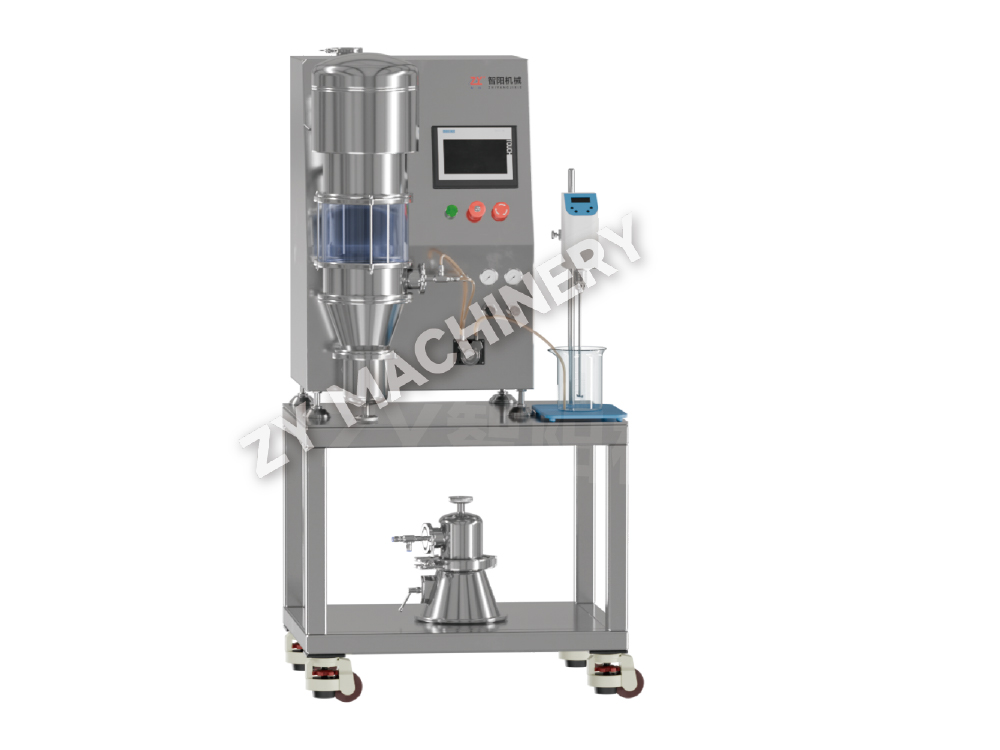
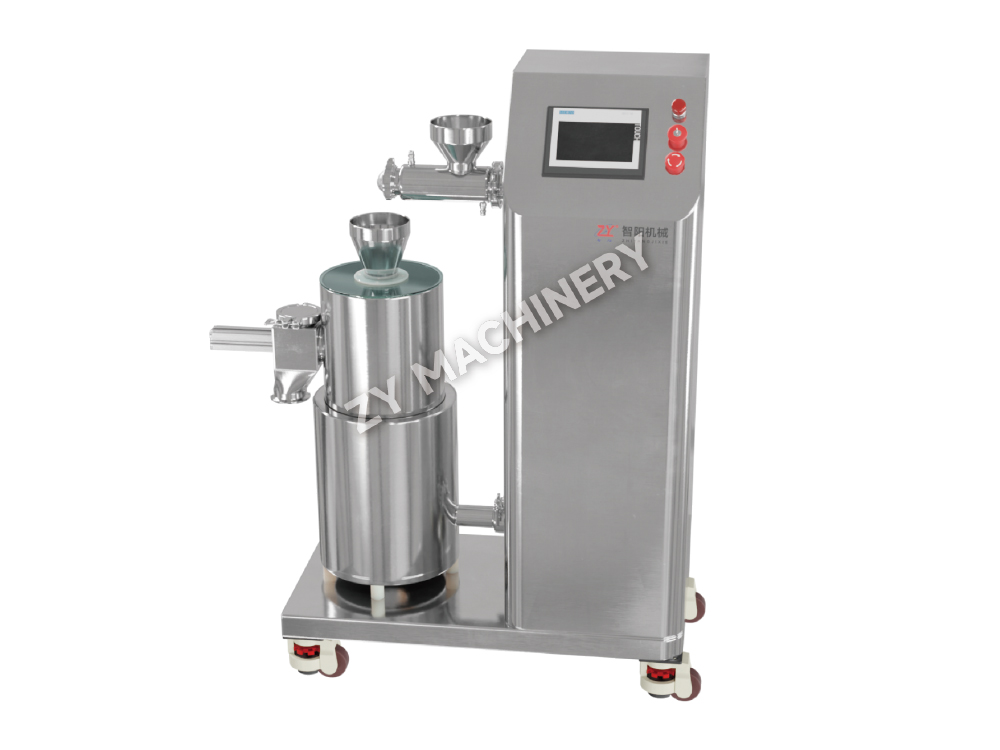
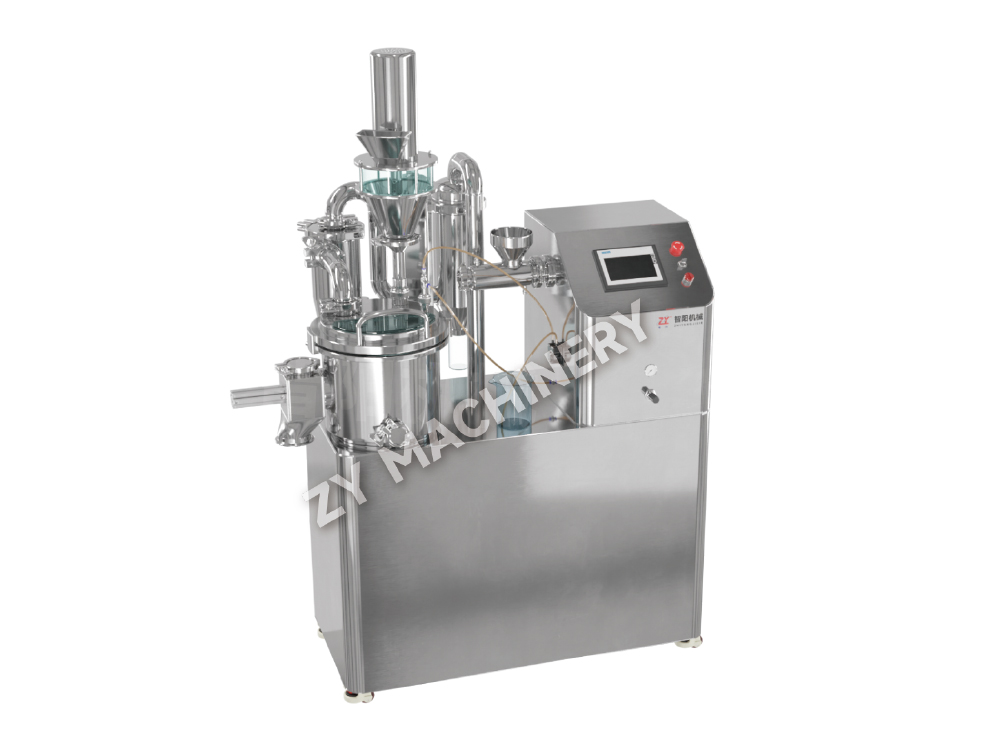
DLP R&D Multi-Functional Fluid-bed Granulation & Coating Lab Machine
The DLP R&D multi-functional fluidized bed machine integrates multiple .....

Content
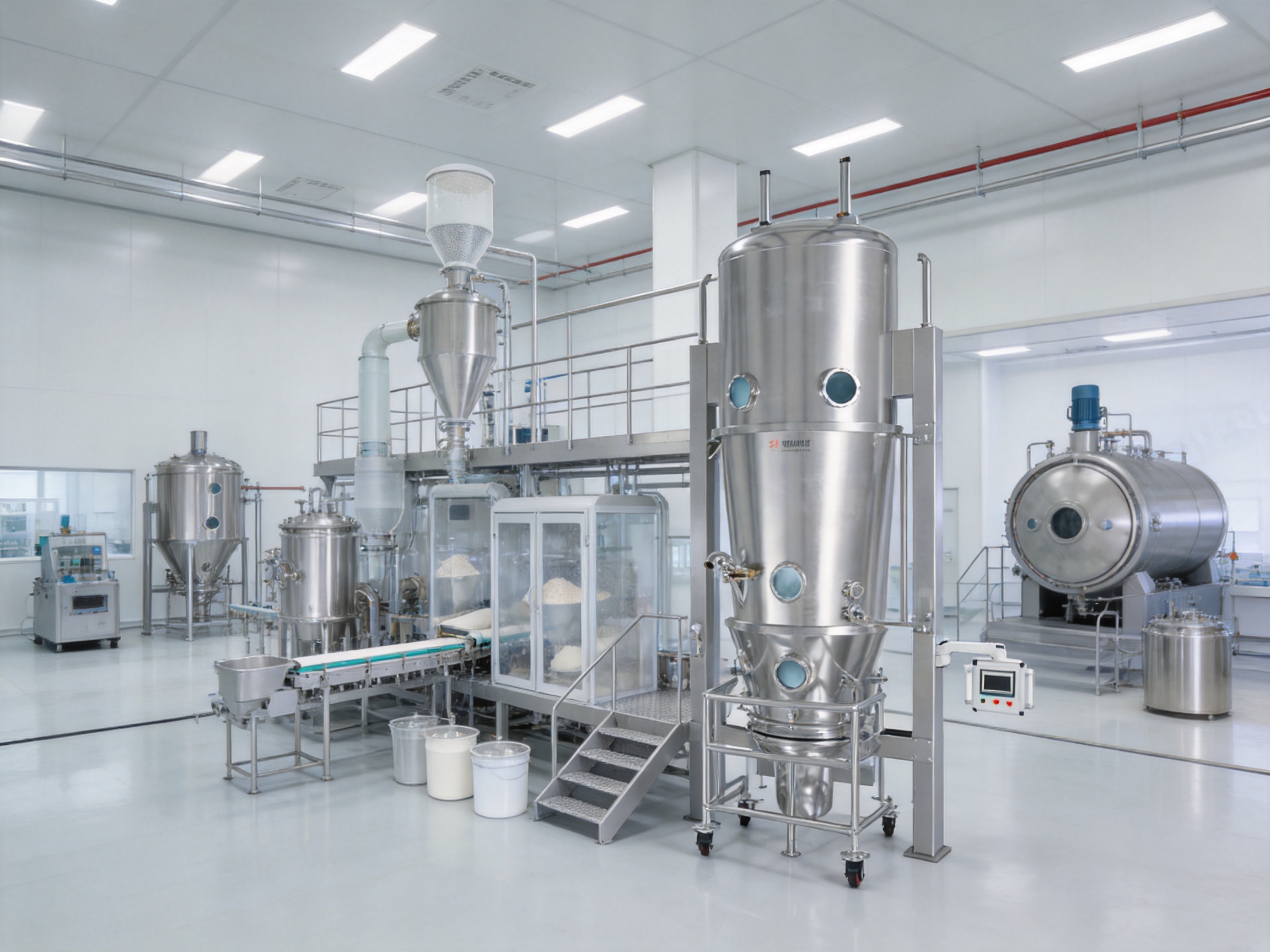
Fluid-bed coating is an important process in the manufacture of pharmaceutical, nutraceutical, veterinary, and other oral solid dosage products. It enables manufacturers to apply controlled coating layers to powders, granules, pellets, and other particulate materials. Depending on the formulation and process objective, the coating may provide sustained release, taste masking, moisture protection, antioxidation, waterproofing, heat resistance, coloring, or physical isolation between ingredients.
The LDP-B Fluidized Bed Coating Machine is designed for manufacturers that require an integrated, efficient, and adaptable solution for microparticle coating. By combining fluidized-bed coating technology with spray application techniques, the system provides a controlled environment in which particles are suspended, dispersed, sprayed, and dried in a continuous process. Its bottom-spray configuration promotes orderly material movement and supports the formation of uniform coating layers.
The machine is suitable for a broad range of applications, including sustained-release film coating, skeleton-type sustained-release capsules, pellet coating, and the coating of granules and powders. It is available in multiple models, with batch capacities ranging from approximately 5 to 500 kilograms. This range allows the same basic processing concept to be applied in laboratory, pilot, commercial, and larger-scale production environments.
Beyond the machine itself, the value of a fluid-bed coating system depends on process engineering, equipment configuration, manufacturing quality, and the supplier’s ability to adapt the solution to specific material characteristics. The manufacturer behind the LDP-B system focuses on powder processing and oral solid dosage equipment, offering standalone machines, modular systems, and complete production lines. This process-oriented approach helps connect coating performance with upstream and downstream operations such as mixing, granulation, drying, conveying, and material transfer.
Pharmaceutical particles often require more than simple size reduction, blending, or granulation. A coating layer can modify how an active ingredient is released, improve the handling properties of a powder, protect a sensitive component from the environment, or improve the acceptability of a finished dosage form.
Traditional coating methods may be effective for tablets or larger units, but microparticles, pellets, fine granules, and powders require a different processing approach. These materials have a high surface-area-to-volume ratio and may be easily carried away by air, agglomerated by excessive moisture, or damaged by uncontrolled mechanical movement. A suitable coating machine must therefore balance air velocity, particle circulation, spray characteristics, drying conditions, and material residence time.
Fluid-bed coating addresses these requirements by using air to suspend and move the particles. As the material becomes fluidized, coating liquid can be atomized and introduced into the moving bed. The droplets deposit on the particle surfaces, while the process air removes moisture or solvent. Repeated circulation through the spray zone gradually builds a coating layer.
The quality of the final product depends on the consistency of this interaction. If particles do not circulate evenly, some may receive too much coating while others remain under-coated. If droplets dry before reaching the particles, coating efficiency may decrease. If spray rates exceed the drying capacity, wet massing or agglomeration may occur. The LDP-B design is intended to reduce these risks through bottom-spray fluidization, controlled material trajectories, and effective dispersion.
The LDP-B Fluidized Bed Coating Machine integrates fluidized-bed coating and spray coating into one advanced microparticle processing system. Rather than treating fluidization and spraying as separate operations, the system coordinates particle movement and coating-liquid application in a single process environment.
During operation, the material is introduced into the processing chamber and subjected to a controlled upward air stream. The airflow causes the particles to become fluidized. In the bottom-spray configuration, the coating liquid is sprayed upward into the fluidized material. Particles repeatedly pass through the spray region, allowing the coating liquid to spread over their surfaces.
As the coating liquid contacts the particles, the process air supports evaporation and drying. The particles then continue their controlled movement through the bed before returning to the spray region. This repeated cycle allows the coating layer to develop gradually rather than being deposited in an uncontrolled single pass.
The design supports gentle handling because the particles are carried and circulated by airflow rather than subjected to intensive mechanical agitation. This is particularly useful for fragile pellets, porous granules, heat-sensitive materials, and particles that can be damaged by excessive impact or compression.
The system is also configured to support consistent material dispersion. Uniform dispersion is essential because coating quality depends on the exposure of each particle to the spray zone. When particles remain separated and circulate smoothly, the probability of localized over-coating, under-coating, and agglomeration is reduced.
Bottom-spray fluidization is one of the defining features of the LDP-B system. In this arrangement, coating liquid is introduced from below while the material is suspended and moved by the process air. The resulting trajectory is controlled and orderly, helping particles pass repeatedly through the spray area.
An orderly trajectory provides several process benefits. It helps distribute the coating liquid over a large number of particles, supports continuous layer formation, and reduces random circulation patterns that can produce uneven coating. It also helps maintain a predictable relationship between airflow, spray application, and drying.
For manufacturers, the practical advantage is greater process control. A predictable material path makes it easier to establish operating procedures, compare batches, and adjust the process when working with different powders, granules, or pellets.
Spray coating involves converting the coating liquid into droplets and directing those droplets toward the fluidized material. The droplets must be sufficiently wet to adhere to the particle surface but sufficiently controlled to avoid excessive liquid accumulation. At the same time, the drying air must remove moisture or solvent at a rate that supports layer formation.
The LDP-B machine is designed with a short spray path. A short path can help limit the time available for droplets to dry before reaching the material. This is important because premature drying may contribute to spray-drying effects, reduce deposition efficiency, and increase coating-material loss.
By keeping the spray path short, the system helps the coating liquid reach the particles while maintaining useful wetting characteristics. This supports efficient transfer of coating material from the spray system to the product and helps reduce unnecessary material loss.
Particles must remain sufficiently separated during coating. When wet particles collide and remain attached, agglomerates may form. Agglomeration can reduce the uniformity of the coating, change the size distribution, interfere with drying, and create problems in later processing or filling operations.
The LDP-B system emphasizes material dispersion within the fluidized bed. The combination of controlled airflow, bottom spraying, and an appropriately shaped processing vessel helps maintain particle movement. The result is a coating environment in which particles can be exposed to the spray without becoming unnecessarily concentrated in one region.
Effective dispersion is particularly important for powders and fine granules, which may have a strong tendency to form cohesive masses. It is also important when the target coating is thin and uniform, because even small differences in liquid deposition can create noticeable variation between particles.
The LDP-B Fluidized Bed Coating Machine can be used for several classes of coating applications. The final operating conditions depend on the material, coating formulation, target coating weight, particle-size distribution, and required release or protection characteristics.
Sustained-release coating is used to control the rate at which an active ingredient becomes available. A coating layer can act as a barrier that regulates the movement of liquid into a particle and the diffusion of the active ingredient outward.
Uniformity is essential in sustained-release processing. If some particles receive a thicker coating than others, the release profile may vary across the batch. The LDP-B system’s controlled circulation and bottom-spray application are intended to support a more consistent coating layer across the product population.
The system can be applied to pellets, granules, and other particulate dosage intermediates. It may also be used in the production of skeleton-type sustained-release capsules, depending on the formulation design and overall manufacturing process.
Many active pharmaceutical ingredients and nutraceutical components have an unpleasant taste. Applying a suitable coating can help isolate the active material from the taste receptors in the mouth. This may improve patient acceptability, especially for products intended to be chewed, dispersed, or swallowed with limited water.
Taste-masking applications require careful control of coating continuity. Pinholes, cracks, or areas of incomplete coverage may compromise the desired effect. The LDP-B’s continuous spray-coating process is suited to applications where the coating must cover individual particles evenly.
Some powders and granules are sensitive to humidity or may absorb water during storage. Moisture-protective coatings can help reduce the contact between the product and the surrounding environment. Waterproofing coatings may also be used when a stronger barrier is required for a specific formulation or processing step.
Fluid-bed coating allows the protective material to be applied directly to the surface of individual particles. This can be advantageous over simply blending a moisture-control additive into the bulk powder because the coating forms a physical barrier around the particle.
Oxidation-sensitive ingredients may benefit from a coating that reduces exposure to oxygen or other reactive environmental conditions. Isolation coatings may also be used to separate incompatible ingredients, prevent direct contact between components, or protect a core material from another processing medium.
The appropriate coating formulation and process parameters depend on the chemical and physical properties of the product. The machine provides the controlled fluidization and spraying environment needed to apply such coatings to powders, granules, and pellets.
Coloring coatings can assist with product identification, visual differentiation, or the appearance of a dosage form. Heat-resistance coatings may help protect particles during a subsequent process in which the product is exposed to elevated temperatures.
Because the coating is applied to individual particles, the process can provide a more uniform appearance and more consistent coverage than a simple dry-color blending operation. The final result depends on the coating material, pigment dispersion, spray conditions, and drying profile.
Equipment selection should be based on the complete process rather than on a single machine specification. Compared with less specialized systems, the LDP-B offers several practical advantages for microparticle coating.
Uncontrolled particle movement can create inconsistent exposure to the spray zone. The bottom-spray configuration is intended to produce a regular material trajectory, enabling particles to circulate through the coating region in a controlled manner.
This is an important distinction for manufacturers processing pellets, fine granules, and powders. The system is not simply supplying air and coating liquid; it is designed around the relationship between the fluidized material path and the spray application point.
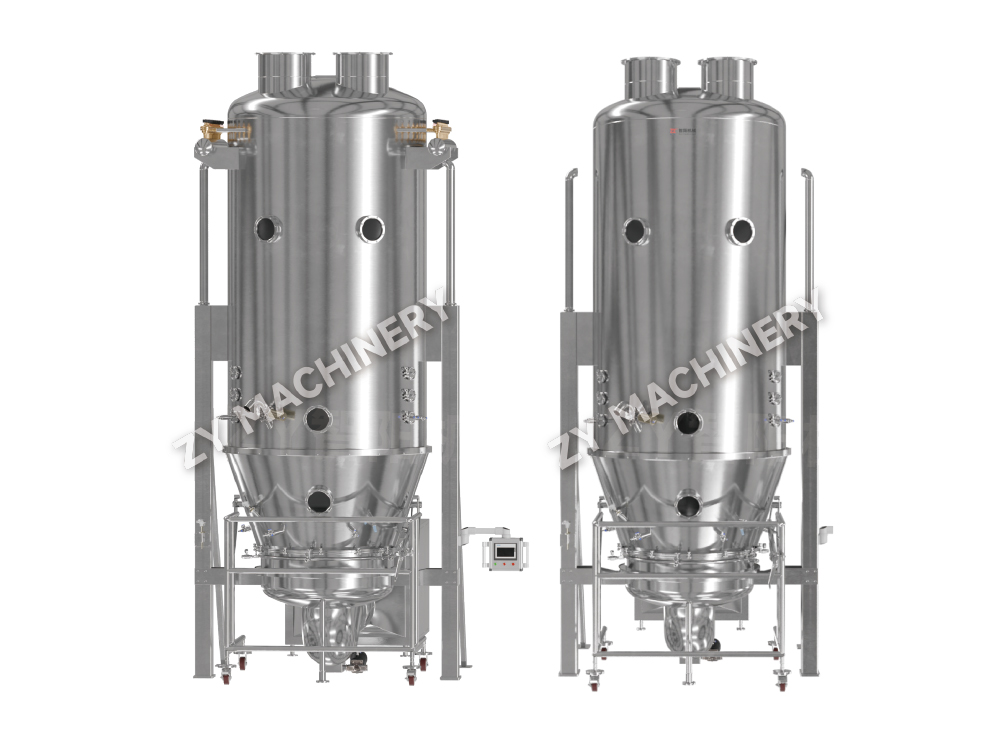
The equipment can be configured with a cylinder-shaped acceleration vessel or an inverted-cone deceleration design. These vessel concepts allow the system to accommodate different material behaviors, including microparticles, small granules, large granules, and pellets.
A cylinder-shaped acceleration vessel can support the movement of material through a defined processing region. An inverted-cone deceleration design can help manage material velocity and circulation as the bed expands or changes during processing. The selection of the vessel arrangement depends on the product characteristics and process requirements.
This flexibility gives manufacturers more options when developing coating processes for multiple products. Instead of limiting the equipment to one narrow particle range, the system can be adapted to different material sizes and flow behaviors.
Coating-material loss affects both production cost and process efficiency. Losses may occur when droplets dry before contacting the product, when overspray reaches equipment surfaces, or when poorly controlled airflow carries material away from the intended coating zone.
The LDP-B is designed to minimize coating loss through its short spray path and controlled fluidized movement. More efficient deposition means that a larger proportion of the prepared coating liquid can contribute to the product rather than becoming waste or requiring additional cleaning.
Reduced loss can be particularly valuable when the coating formulation contains expensive polymers, active ingredients, specialized excipients, pigments, or solvents. It may also simplify process-cost calculations and support more predictable batch economics.
Spray drying occurs when droplets lose too much moisture before reaching the intended material. Instead of forming a continuous film on the particles, the droplets may dry in the air and become fine solids. This can reduce coating efficiency and increase airborne deposits.
The LDP-B’s short spray path helps limit this problem. By reducing the distance between atomization and particle contact, the machine supports more direct deposition. This feature is especially relevant when the coating liquid has a fast drying tendency or when the product requires high coating efficiency.
Many particulate products are sensitive to breakage, abrasion, or excessive impact. Mechanical systems that depend heavily on agitation may damage fragile pellets or change the shape of granules. The fluidized approach allows air to perform much of the transport and mixing function.
Gentle handling does not eliminate all mechanical stress, but it can provide a suitable environment for products that require controlled movement. The result may include improved particle integrity, reduced formation of fines, and more consistent downstream behavior.
The LDP-B series includes models from LDP-10 through LDP-500. Listed batch capacities range from approximately 5–10 kilograms for the LDP-10 to approximately 250–500 kilograms for the LDP-500. This makes the series suitable for different stages of product development and manufacturing.
A scalable product family can help companies maintain a consistent process concept as production requirements change. Laboratory or pilot work can be developed on a smaller unit, then transferred to a larger model with similar core fluidization and spray principles.
Scale-up still requires engineering evaluation. Airflow, spray rate, vessel geometry, drying capacity, and particle circulation must be reviewed for each model. However, having a structured range of models provides a practical foundation for process development and expansion.
The following table summarizes the principal LDP-B models and their stated batch-capacity ranges.
| Model | Approximate Capacity per Batch | Fan Power |
|---|---|---|
| LDP-10 | 5–10 kg | 5.5 kW |
| LDP-15 | 10–15 kg | 7.5 kW |
| LDP-20 | 10–20 kg | 7.5 kW |
| LDP-30 | 15–30 kg | 11 kW |
| LDP-45 | 20–45 kg | 11 kW |
| LDP-60 | 30–60 kg | 15 kW |
| LDP-90 | 45–90 kg | 18.5 kW |
| LDP-120 | 60–120 kg | 18.5 kW |
| LDP-150 | 75–150 kg | 18.5 kW |
| LDP-200 | 100–200 kg | 22 kW |
| LDP-300 | 150–300 kg | 37 kW |
| LDP-500 | 250–500 kg | 45 kW |
The capacity figures are presented as approximate operating ranges rather than universal guarantees. Actual production capacity depends on bulk density, particle-size distribution, moisture content, coating formulation, desired coating weight, drying requirements, loading ratio, and operating conditions.
The fan-power range reflects the increasing airflow requirements associated with larger processing capacities. Smaller models are suited to development, laboratory, and lower-volume production work, while larger models can support commercial batch processing when properly integrated with air-handling, heating, filtration, and utility systems.
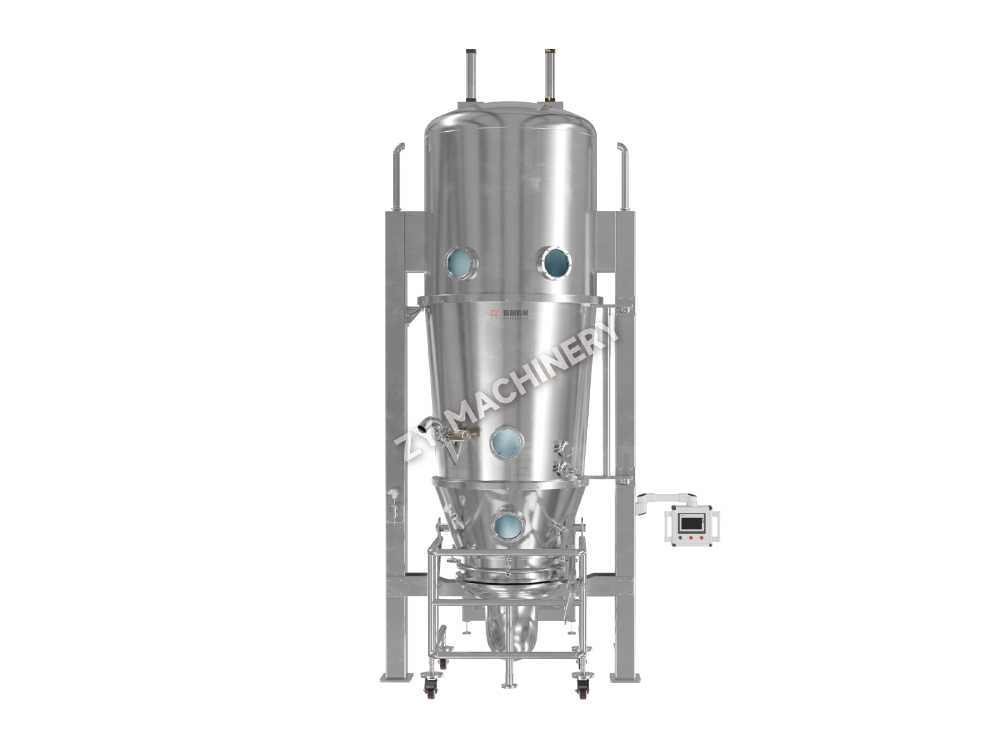
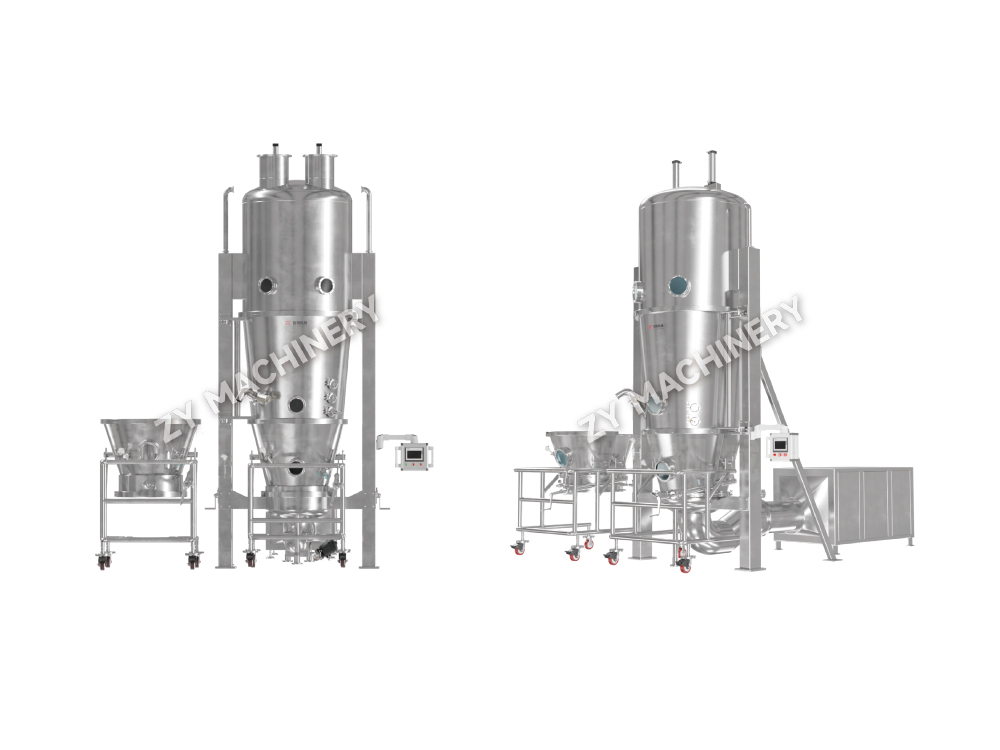
LDP-B Fluid-bed Coating Machine
A fluid-bed coating machine must be evaluated as part of a complete production installation. The stated technical data for the LDP-B series includes fan power, noise, compressed-air consumption, compressed-air pressure, steam consumption, steam pressure, electrical-heater arrangements, and reference installation dimensions.
The fan is central to fluidization. It supplies the airflow required to suspend the particles, maintain circulation, and support drying. Fan power increases with machine size, ranging from 5.5 kilowatts on the LDP-10 model to 45 kilowatts on the LDP-500 model.
Correct airflow selection is essential. Insufficient airflow may result in poor fluidization, uneven coating, or localized wetting. Excessive airflow may cause excessive particle movement, attrition, product carryover, or unnecessary energy consumption. The final airflow setting must be selected according to the product and operating stage.
The stated noise level is no more than 75 decibels, with the fan separated from the main processing area. Separating the fan can help improve the working environment and may simplify plant-layout planning. Noise control should nevertheless be evaluated together with ducting, air-handling equipment, room construction, and local occupational requirements.
Compressed air is used in the spray and control functions of the machine. Listed consumption varies by model, from approximately 0.9 cubic meters per hour on several smaller units to approximately 3.6 cubic meters per hour on the largest listed models. The stated operating pressure range is 0.4–0.6 MPa.
Compressed air should be clean, dry, and stable. Fluctuations in pressure can influence atomization and spray consistency. Air quality should be matched to the product and applicable manufacturing requirements, particularly when the compressed air comes into direct or indirect contact with the coating process.
The listed steam pressure range is also 0.4–0.6 MPa. Steam consumption varies according to model and is provided as a reference for utility planning. The machine can also be configured with an electrical heater, with the electrical-heater power determined according to the client’s requirements.
The choice between steam and electrical heating depends on site utilities, energy costs, installation preference, environmental conditions, and process demands. A facility with an established clean-steam system may prefer steam heating, while another facility may require an electrical solution for flexibility or simpler installation.
Reference dimensions are provided for diameter, length, width, auxiliary length dimensions, and height. These dimensions increase as the model size increases. The largest model in the listed range requires a reference installation length of approximately 2,482 millimeters for one dimension, a second length of approximately 4,880 millimeters, a width of approximately 3,000 millimeters, and a maximum reference height of approximately 5,900 millimeters.
These figures should be used during preliminary layout planning. Final space requirements may be greater after considering access platforms, air-handling components, filters, piping, electrical cabinets, maintenance clearance, material loading, discharge, and cleaning activities.
The performance of a coating machine depends not only on its design but also on how the equipment is engineered, manufactured, configured, tested, installed, and supported. The manufacturer of the LDP-B system specializes in powder processing and oral solid dosage equipment and has developed a product scope covering laboratory equipment, mixing systems, granulation equipment, drying equipment, coating equipment, auxiliary processing equipment, and transfer and conveying systems.
A process-driven approach begins with the material rather than with a standard machine configuration. Powders, granules, pellets, and microparticles differ in density, shape, cohesion, moisture sensitivity, flowability, friability, and thermal behavior. These characteristics influence the required airflow, spray conditions, vessel arrangement, loading capacity, and drying profile.
The company’s stated engineering approach is to develop solutions according to material characteristics, capacity requirements, and site conditions. This can be valuable when a customer needs more than a catalog machine. It allows equipment selection and system configuration to be connected to the actual production objective.
For example, a small laboratory batch for formulation development may require a different configuration from a commercial sustained-release pellet process. A cohesive powder may need different dispersion and airflow considerations from a free-flowing granule. A heat-sensitive coating may require a different drying strategy from a water-based protective coating.
The manufacturer supplies standalone machines, modular systems, and complete production lines. This range allows customers to begin with a single coating unit or develop an integrated process involving mixing, granulation, drying, coating, conveying, and auxiliary treatment.
Integrated production planning can reduce compatibility problems between individual machines. Transfer points, discharge heights, material containment, cleaning access, and production sequencing can be considered at the engineering stage. It also allows the coating step to be evaluated together with the properties created during granulation and drying.
The company provides equipment for laboratory, pilot, and full-scale production. This is important for pharmaceutical and related industries because a formulation may pass through several development stages before commercialization.
A laboratory unit can support initial formulation studies and coating experiments. A pilot-scale unit can help evaluate scale-up behavior, process repeatability, and utility requirements. A production-scale unit can then be selected for commercial manufacturing. While every scale-up requires technical validation, a supplier familiar with multiple operating levels can help maintain continuity in equipment philosophy and process understanding.
The company states that it has strengthened its research and development capabilities, obtained quality system certification, developed patented technologies, and expanded its product portfolio. These efforts indicate an ongoing focus on equipment improvement and process innovation.
For buyers, research and development capability can be more important than a single equipment feature. Coating processes often require adaptation for unusual formulations, difficult powders, sensitive active ingredients, or specific production constraints. A manufacturer with engineering and development resources is better positioned to evaluate such requirements than a supplier focused only on standard fabrication.
The company reports that its equipment and engineering solutions have been delivered to customers worldwide, with partnerships across multiple countries and regions. International project experience can support communication about documentation, utilities, plant layouts, installation practices, and service expectations.
It can also help the supplier understand that different regions may have different requirements for equipment materials, electrical standards, cleanroom arrangements, validation documentation, operator training, and maintenance procedures. These matters should be confirmed during project planning and included in the technical specification.
Reliable coating equipment must provide stable airflow, consistent spray performance, durable construction, accurate control, and accessible maintenance points. Equipment reliability affects batch repeatability, production scheduling, cleaning time, and long-term operating cost.
The manufacturing process should therefore include careful fabrication, dimensional control, component inspection, assembly verification, electrical testing, airflow evaluation, and functional testing. Although detailed factory procedures vary according to the final configuration, the overall objective is to ensure that the delivered machine performs according to the agreed technical specification.
For pharmaceutical and food-related applications, material selection and surface finish are also important. Product-contact areas should be suitable for the intended process and compatible with cleaning requirements. The final specification should identify product-contact materials, surface-finish expectations, gasket materials, spray-system components, filters, and other critical parts.
Reliability also depends on the correct matching of utilities. An undersized compressed-air system, unstable heating source, inadequate exhaust capacity, or poorly designed ducting can limit the machine even when the core equipment is correctly manufactured. For this reason, equipment supply should be accompanied by practical utility and installation planning.
Successful coating begins with process development. Before production, the manufacturer or user should characterize the material and define the desired product attributes. These may include particle-size distribution, coating weight, release profile, residual moisture, appearance, friability, flowability, and resistance to environmental exposure.
Important material properties include bulk density, true density, particle shape, particle-size range, moisture content, surface roughness, flowability, electrostatic behavior, friability, and tendency to agglomerate. These properties influence fluidization and determine how easily the coating liquid can spread over the particle surfaces.
Materials with a wide size distribution may fluidize unevenly because smaller particles and larger particles respond differently to the airflow. Cohesive powders may require special attention to dispersion. Fragile pellets may need gentle airflow and careful control of the spray rate.
The coating formulation may be water-based, solvent-based, or based on another approved carrier system, depending on the application. It may contain polymers, plasticizers, pigments, anti-tacking agents, protective components, or other excipients.
Formulation viscosity, solids content, surface tension, drying behavior, and temperature sensitivity affect atomization and film formation. A formulation that is too viscous may be difficult to atomize, while one that dries too rapidly may increase spray-drying risk. The formulation must therefore be considered together with airflow and spray conditions.
The spray rate must be balanced with the drying capacity of the fluidized bed. If liquid is introduced faster than it can be removed, particles may become overly wet and agglomerate. If the spray rate is too low, the process may become unnecessarily long and coating efficiency may decrease.
Airflow must be sufficient to maintain fluidization but not so high that it causes excessive attrition or product carryover. The correct balance is product-specific and should be established through trials and documented operating procedures.
Coating uniformity can be evaluated through coating-weight gain, particle-size analysis, visual inspection, microscopy, release testing, moisture analysis, or other product-specific methods. For sustained-release products, dissolution or release testing is especially important because small differences in coating thickness may influence performance.
The LDP-B’s controlled particle trajectory and material dispersion are intended to support uniformity, but the final result also depends on nozzle selection, atomization, loading, formulation, air distribution, and operator control.
Drying must continue until the product reaches the required residual-moisture or handling condition. Excessive drying may affect product properties or energy consumption, while insufficient drying may leave the coating tacky or unstable.
End-point determination can be based on process measurements, product temperature, exhaust conditions, residual moisture, or validated time-based procedures. The selected method should be appropriate to the product and supported by process-development data.
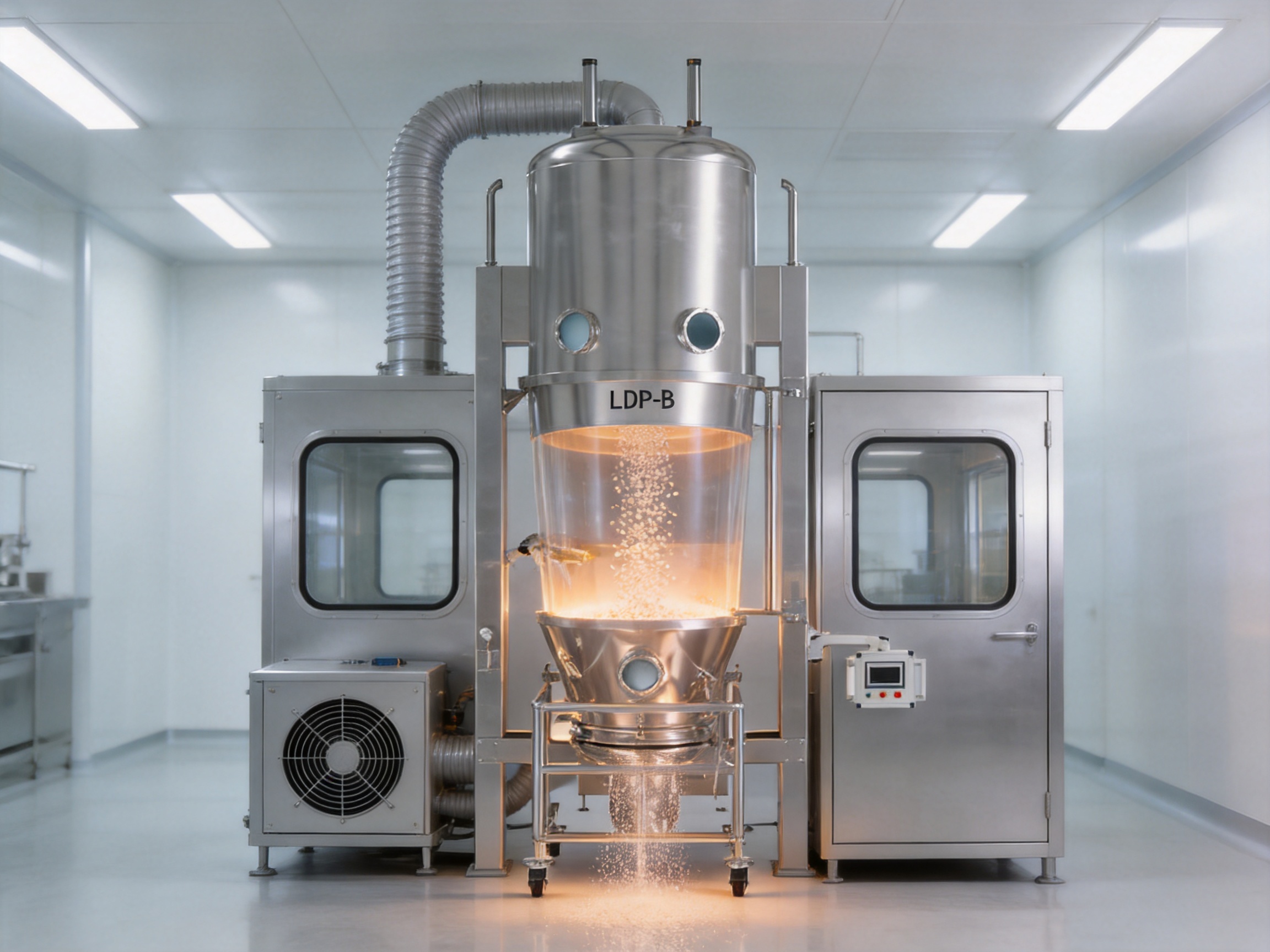
Cleaning requirements should be considered before installation. A coating system may process different products, coating colors, active ingredients, polymers, and solvents. The equipment must therefore be designed and operated in a way that supports effective cleaning and minimizes cross-contamination risk.
Operators should have access to product-contact areas, spray components, filters, ducts, inspection points, and discharge sections. Cleaning procedures should define disassembly requirements, approved cleaning agents, rinsing, drying, inspection, and reassembly.
Routine maintenance should include inspection of spray nozzles, compressed-air connections, seals, filters, heating components, fans, electrical systems, instrumentation, and material-contact surfaces. Nozzles should be checked for blockage, wear, and spray-pattern consistency. Filters should be inspected and serviced according to the process load and manufacturer’s recommendations.
Preventive maintenance can reduce unexpected downtime. A maintenance program may include scheduled inspections, replacement of wear components, lubrication where applicable, airflow checks, temperature-sensor verification, pressure checks, and electrical safety testing.
Operational efficiency is improved when cleaning and maintenance are built into the plant workflow. A machine that is difficult to access may increase turnaround time even if its coating performance is satisfactory. Practical engineering should therefore consider production, cleaning, inspection, and service as connected activities.
Model selection should begin with the intended batch size. The nominal capacity range is an important reference, but it should not be the only selection criterion. The actual working load may be lower than the maximum listed capacity if the product has unusual density, poor fluidization characteristics, high coating weight, or demanding drying requirements.
Customers should also consider future production needs. If the equipment will initially be used for development but may later support commercial production, a scale-up plan can help determine whether one model or a series of models is most appropriate.
Other selection factors include:
• Product type, such as powder, granule, pellet, or microparticle.
• Particle-size distribution and bulk density.
• Required coating material and coating weight.
• Target release, taste-masking, protective, or isolation performance.
• Heating source and available utility pressure.
• Compressed-air availability and air quality.
• Room height, access, and installation area.
• Cleaning method and product-change frequency.
• Required automation, monitoring, and process documentation.
• Connection to upstream and downstream equipment.
• Local regulatory, safety, and electrical requirements.
A technical discussion with the equipment supplier is recommended before final selection. This helps confirm that the model, vessel configuration, spray arrangement, heating system, filtration, and installation layout match the process objective.
Coating rarely exists as an isolated operation. In a typical oral solid dosage process, raw materials may first be mixed, granulated, dried, sized, transferred, coated, and packaged. Each stage affects the next one.
For example, granulation determines particle size, density, porosity, and strength. Drying influences residual moisture and surface properties. Conveying may affect particle breakage or segregation. These characteristics influence fluidization and coating performance.
A supplier that provides mixing, granulation, drying, coating, auxiliary processing, and conveying equipment can evaluate these relationships more effectively. The goal is not merely to install a coating unit but to establish a practical process route that functions across the production line.
The company’s product scope covers these equipment categories. This provides a basis for developing modular or complete systems according to customer requirements. It may also simplify communication because the customer can discuss related equipment and process interfaces with one engineering organization.
Equipment projects should include clear technical documentation. Depending on the application, documentation may cover equipment specifications, general arrangement drawings, utility requirements, electrical information, operating instructions, maintenance procedures, spare-parts lists, inspection records, and testing documents.
For regulated industries, additional documentation may be required. The exact package depends on the customer’s quality system, the market in which the equipment will operate, and the agreed project scope. Requirements may include material certificates, surface-finish records, calibration information, risk assessments, and factory or site acceptance testing.
Good project execution begins with a clear division of responsibilities. The customer and supplier should identify who will provide utilities, foundations, ducting, installation labor, cleanroom interfaces, validation support, operator training, and commissioning resources.
Accurate communication at the beginning of the project reduces delays later. Information about product properties, coating formulation, batch size, room dimensions, available utilities, and required automation should be exchanged before the final design is approved.
The value of a fluid-bed coating machine should be assessed over its operating life. Purchase price is only one element. Other factors include coating-material consumption, energy use, batch time, labor, cleaning time, product loss, maintenance, changeover, and process reliability.
The LDP-B design supports commercial value through several features: controlled bottom-spray movement, reduced coating loss, a short spray path, broad material compatibility, scalable capacities, and integration with wider powder-processing systems.
Reduced coating loss may lower raw-material expenditure. Consistent coating may reduce rejected batches and rework. Gentle material handling may reduce fines and product damage. A suitable model range may support growth from development to production. Process integration may reduce the engineering burden associated with connecting separate machines.
These benefits should be confirmed through application-specific trials and economic evaluation. The actual result depends on product properties, process parameters, equipment configuration, production schedule, and facility conditions.
The machine is designed for powders, granules, pellets, microparticles, sustained-release film coatings, and skeleton-type sustained-release capsules. The suitability of a specific product depends on its particle size, density, flowability, moisture sensitivity, and coating requirements.
The machine uses bottom-spray fluidization. Air suspends and circulates the material while coating liquid is sprayed into the fluidized bed from below. The particles follow a controlled trajectory through the spray zone, where the coating layer is gradually formed.
Uniformity is supported by orderly material movement, effective dispersion, repeated exposure to the spray region, and continuous coating-layer formation. Actual uniformity also depends on formulation, spray conditions, airflow, loading, particle properties, and process control.
Yes. Taste-masking is one of the listed applications. The machine can apply a coating to powders, granules, or pellets to help isolate an unpleasant-tasting ingredient from the mouth. The formulation and coating continuity must be developed according to the product requirements.
Applications include sustained release, moisture-proofing, antioxidation, waterproofing, heat resistance, coloring, and isolation. The appropriate coating material and operating conditions depend on the desired product performance.
A short spray path reduces the distance that droplets travel before contacting the material. This can help limit premature drying or spray-drying effects and may improve coating-material deposition efficiency.
The fluidized process provides relatively gentle material handling because air performs much of the circulation function. Suitability should still be confirmed through trials because pellet strength, shape, density, and operating conditions influence the level of mechanical stress.
The listed models range from approximately 5–10 kilograms per batch on the LDP-10 to approximately 250–500 kilograms per batch on the LDP-500. Actual working capacity depends on the product and coating process.
Yes. The model series includes smaller units for laboratory or pilot work and larger models for commercial production. Scale-up should be supported by process testing and engineering review.
The machine requires electrical power for the fan and controls, compressed air for spray-related functions, and either steam or electrical heating depending on the selected configuration. The listed compressed-air and steam pressure range is 0.4–0.6 MPa.
Fan power is included in the product parameters. It ranges from 5.5 kilowatts for the smallest listed model to 45 kilowatts for the largest listed model.
The supplied information states that electrical-heater power is determined according to the client’s requirements. The final value should therefore be confirmed during technical design and utility planning.
Customers should consider the reference dimensions of the selected model as well as access platforms, filters, ducting, heating equipment, electrical cabinets, maintenance clearance, loading, discharge, cleaning, and operator access. The final layout should be confirmed using approved engineering drawings.
No. The supplier’s product scope includes laboratory equipment, mixing equipment, granulation equipment, drying equipment, coating equipment, auxiliary processing equipment, and transfer and conveying systems. This enables standalone, modular, and complete-line solutions.
Useful information includes material type, particle-size range, bulk density, batch size, coating formulation, target coating weight, release or protection objective, heating preference, available utilities, room dimensions, cleaning requirements, automation expectations, and applicable quality or regulatory requirements.
The LDP-B Fluidized Bed Coating Machine is designed for controlled coating of powders, granules, pellets, and microparticles. Its integrated fluidization and spray-coating approach supports applications ranging from sustained-release film coating to taste masking, moisture protection, antioxidation, waterproofing, coloring, heat resistance, and isolation.
The bottom-spray configuration promotes orderly material movement, while effective dispersion helps reduce agglomeration and support continuous coating coverage. The short spray path helps reduce spray-drying effects and coating-material loss. Vessel configurations designed for acceleration or deceleration provide flexibility for different particle sizes and flow behaviors.
With models covering approximately 5–500 kilograms per batch, the series can support laboratory, pilot, and commercial production requirements. Its utility options, reference installation data, and configurable heating arrangements allow the equipment to be integrated into different plant environments.
The broader strength of the solution comes from the manufacturer’s process-oriented engineering capability. With experience in powder processing, oral solid dosage equipment, modular systems, complete production lines, research and development, patented technologies, and overseas project support, the company can address coating as part of a complete manufacturing process rather than as an isolated machine purchase.
For manufacturers seeking consistent microparticle coating, the most important step is to match the equipment configuration with the material, formulation, batch size, utilities, and production objectives. When the machine and process are properly aligned, the LDP-B system can provide a practical platform for efficient, repeatable, and scalable fluid-bed coating.
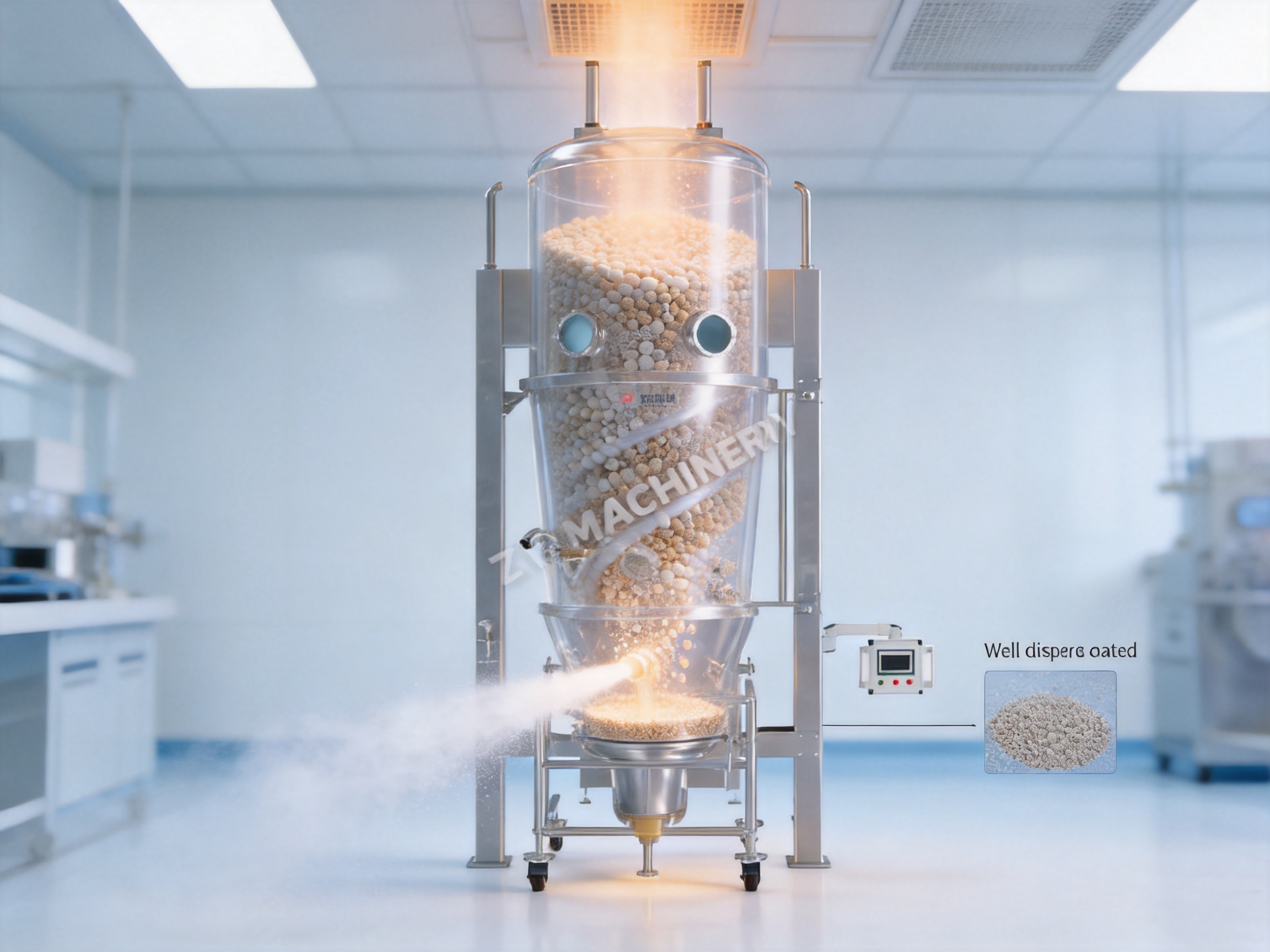
1. Product technical information for the LDP-B Fluidized Bed Coating Machine, including applications, operating principle, features, model data, utility requirements, and reference installation dimensions.
2. Company information concerning powder processing equipment, oral solid dosage systems, process integration, laboratory equipment, granulation, drying, coating, auxiliary processing, and transfer systems.
3. General principles of fluidized-bed processing for powders, granules, pellets, and microparticles.
4. General pharmaceutical process-development principles for coating uniformity, sustained release, taste masking, moisture protection, drying, and agglomeration control.
5. General equipment-engineering considerations for utility planning, installation layout, cleaning, maintenance, scale-up, and production-line integration.
Want to stay up to date?
Contact us via the email address below.
Don't worry about spam. We hate it too!
Mobile Client

Video Account
Phone:+86-15161130178
Tel:+86-519-88674267
Email:czzy188@163.com
Phone:+86-15161132798
Email:zy@zy-drying.com

WeChat ID

Copyright 2026 Changzhou Zhiyang Machinery Equipment Co., Ltd. All Rights Reserved  Oral Solid Dosage Equipment Manufacturer