 English
 Español
 русский
 中文简体

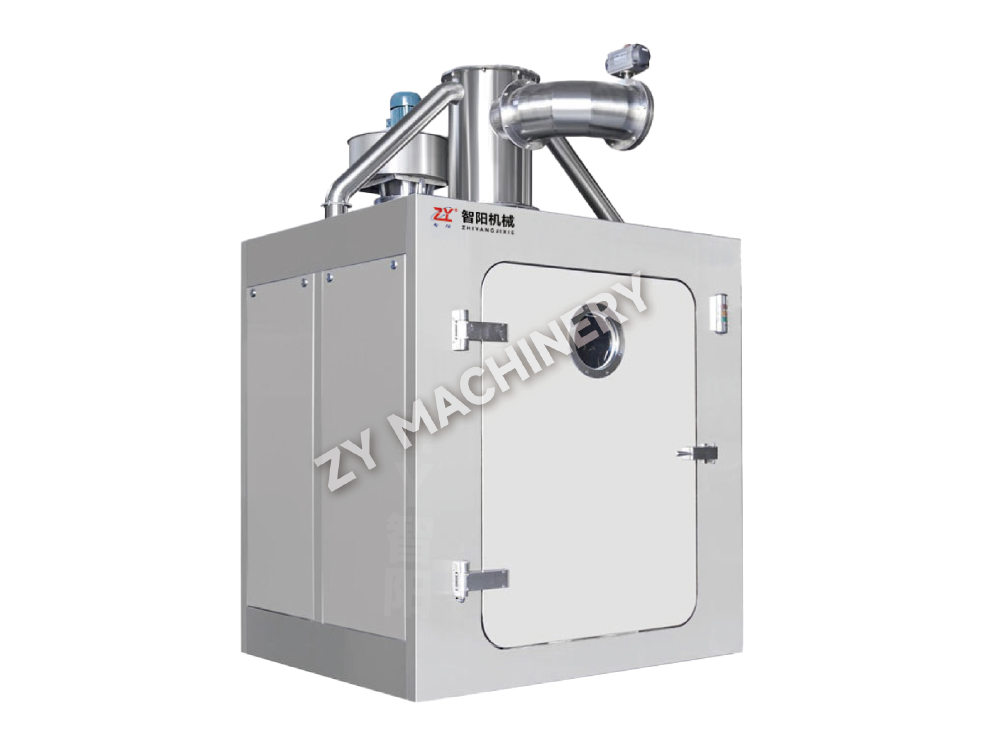
NTQW Semi-Automatic Bin Washing Machine
The NTQW Semi-Automatic Bin Washing Machine is used for cleaning intermedia.....

Content
In pharmaceutical, nutraceutical, chemical, and food production, intermediate transfer bins are essential for moving powders, granules, tablets, and other bulk materials between processing stages. These bins support flexible production and help connect weighing, mixing, granulation, drying, storage, and filling operations. However, because they come into direct contact with production materials, they must be cleaned thoroughly and consistently before being returned to service.
The NTQW Semi-Automatic Bin Washing Machine is designed specifically for this requirement. It combines automatic internal cleaning with manual external washing in one integrated equipment arrangement. A rotating spray ball cleans the inside of the transfer bin, while an operator uses a water gun to wash the external surfaces. A lifting mechanism allows the spray ball to be raised or lowered for bins of different specifications.
This combination provides a practical balance between automation, cleaning effectiveness, operational flexibility, and investment control. It is particularly suitable for pharmaceutical solid dosage production, where intermediate bins may vary in size and where cleaning procedures must be repeatable, documented, and compatible with good manufacturing practices.
Manufactured by Changzhou Zhiyang Machinery Equipment Co., Ltd., the NTQW series forms part of a broader equipment portfolio covering powder processing, oral solid dosage production, mixing, granulation, drying, coating, conveying, and auxiliary processing. The company’s process-oriented engineering approach enables the washing machine to be considered not as an isolated utility device, but as part of a complete production and cleaning strategy.
Transfer bins are frequently exposed to active pharmaceutical ingredients, excipients, granules, powders, and product residues. Even when the bin appears visually clean, residual material may remain on internal walls, corners, weld areas, discharge outlets, or other contact surfaces. If this residue is not removed, it can create risks related to cross-contamination, product quality, microbial control, and batch-to-batch consistency.
Cleaning is also important because material residues can harden over time. Powders may absorb moisture and form deposits, while granules can become compacted on internal surfaces. A delayed or inconsistent cleaning process may therefore require additional manual labor, more water, longer washing time, or stronger cleaning agents.
In a modern production facility, cleaning must be considered alongside production capacity. A bin that is not returned to service promptly can become a bottleneck between processing stages. For this reason, an effective washing machine should provide reliable internal cleaning, easy operator access, suitable drainage, adjustable operation, and a control system capable of storing process settings.
The NTQW machine addresses these requirements through a focused design. Rather than attempting to fully automate every movement of the bin, it automates the most repetitive and difficult-to-control function: washing the internal surface. External washing remains manual, allowing operators to direct the water gun toward handles, frames, wheels, supports, valves, and other areas that may differ from one bin design to another.
The NTQW Semi-Automatic Bin Washing Machine is used for cleaning intermediate transfer bins in solid dosage production processes. Its working method is based on two coordinated cleaning actions. First, a rotating spray ball delivers pressurized water to the internal walls of the bin. Second, the operator manually cleans the outside of the bin with a water gun.
The spray ball is mounted on a lifting mechanism. This mechanism can raise or lower the spray ball so that it can be positioned appropriately for different bin sizes and configurations. The adjustment improves the coverage of the internal surface and allows one equipment platform to support more than one bin specification.
During operation, the bin is positioned in the washing area, and the internal spray ball is aligned with the bin opening or internal cavity. The water pump supplies water to the cleaning circuit. As the spray ball rotates, water is distributed around the internal surfaces. At the same time, the operator uses the water gun to wash the outer surface.
After washing, wastewater is discharged through a grated floor drain. This arrangement supports a wet-cleaning environment and helps prevent standing water from accumulating around the equipment. The floor drainage concept is especially important in areas where repeated washing takes place during a production shift.
The machine is available in NTQW-5, NTQW-10, and NTQW-15 models. The models provide nominal water flow rates of 5, 10, and 15 cubic meters per hour respectively. This range allows users to select an appropriate washing capacity according to bin size, cleaning requirements, utility availability, and production throughput.
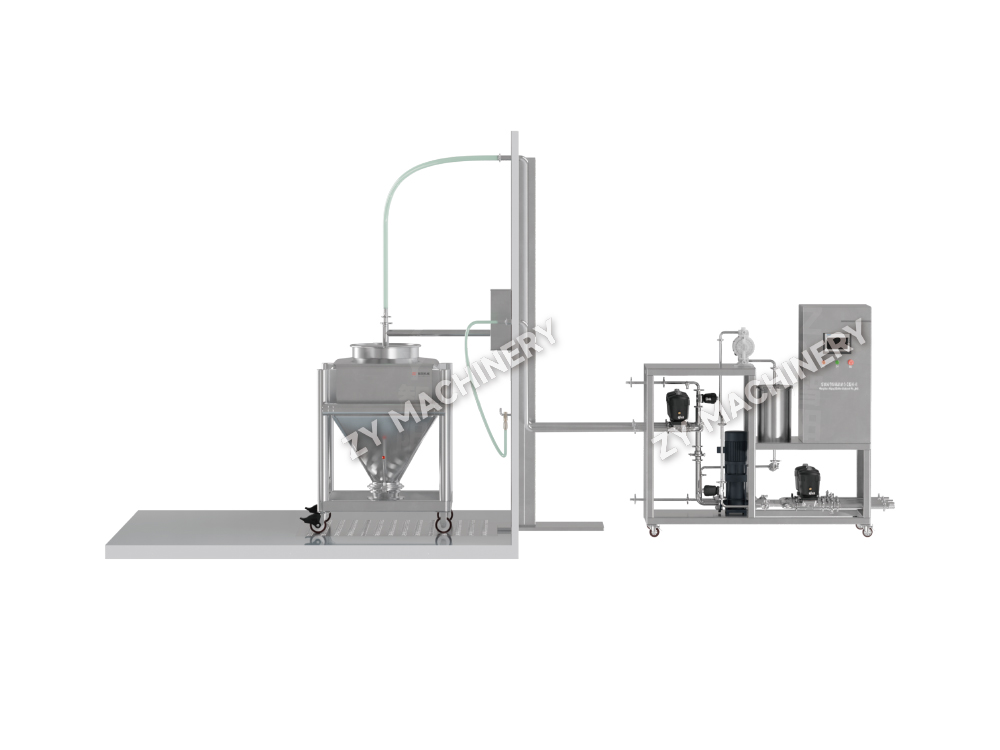
NTQW Semi-Automatic Bin Washing Machine
Before cleaning begins, the intermediate transfer bin is moved into the washing position. The operator confirms that the bin is correctly placed and that the internal opening is aligned with the spray ball assembly. Proper positioning is important because it helps maintain effective water distribution and reduces unnecessary splashing.
The semi-automatic design allows operators to manage different bin types without requiring a completely dedicated automated handling system for every container. This is useful in facilities where several bins have different volumes, heights, or external geometries.
The lifting mechanism adjusts the vertical position of the spray ball. By changing its height, the operator can accommodate bins with different internal dimensions. This adjustment is one of the central design features of the NTQW series because the same washing machine can be used for a wider range of transfer containers than a fixed-position spray arrangement.
The lifting power for all three listed models is 0.75 kW. A consistent lifting specification across the series simplifies equipment selection, operator training, and maintenance planning while allowing the water pump and flow rate to vary according to model.
Once the spray ball is positioned, the water pump supplies water to the cleaning circuit. The rotating spray ball distributes water across the inner surfaces of the bin. The rotation helps create a more uniform washing pattern than a single fixed water outlet and supports repeatable coverage when the process parameters are properly selected.
Automatic internal washing reduces dependence on the operator’s hand movements. Manual washing alone can vary from one operator to another because spray distance, angle, duration, and coverage may change. By contrast, a rotating spray ball provides a defined internal washing action that can be incorporated into a recipe-based procedure.
While the spray ball cleans the interior, the operator uses a water gun to clean the external surface. Manual external washing is practical because the outside of a transfer bin may contain numerous structures that are difficult to address with a fixed nozzle. These may include frames, wheels, support legs, handles, clamps, lids, discharge devices, and protective covers.
The operator can direct the water gun according to the actual condition and geometry of the bin. This flexibility is a major reason for retaining a manual stage in the process. It provides a useful compromise between automated consistency and human adaptability.
During washing, wastewater flows toward the grated floor drain. The drainage arrangement supports a cleanable working area and helps remove water, loosened residues, and cleaning runoff from the equipment zone. Site drainage design should be coordinated with the washing machine installation so that the floor slope, drainage capacity, and wastewater treatment requirements are suitable for the intended process.
The rotating spray ball is the primary advantage of the NTQW machine. Internal surfaces are washed through an automatic action rather than being cleaned entirely by manual spraying. This can improve process repeatability and reduce variation caused by different operator techniques.
Consistency is particularly important in pharmaceutical applications. Cleaning procedures may need to be repeated after each batch, product change, or production campaign. A defined spray-ball operation can help standardize the internal washing stage and provide a clearer basis for cleaning validation and standard operating procedures.
The adjustable lifting mechanism allows the spray ball position to be changed for different bin specifications. This flexibility is useful for manufacturers operating several container sizes or gradually expanding their production equipment.
A fixed spray arrangement may require separate washing stations for bins with significantly different heights. The NTQW approach can reduce this need by allowing the washing position to be adjusted. The actual compatibility of each bin should still be confirmed during project design, including internal dimensions, opening geometry, material of construction, fittings, and drainage characteristics.
Full automation is not always the most efficient solution for a washing application. A fully automated system may require additional bin handling equipment, sensors, robotic movement, automatic doors, complex programming, and greater capital investment. It may also be less flexible when container designs change.
The NTQW machine automates the internal washing action while retaining manual external cleaning. This semi-automatic approach allows the operator to respond to actual surface conditions and different bin geometries without making the equipment unnecessarily complex.
The control system supports recipe-based process parameter management. This means that cleaning settings can be organized and stored according to bin type, cleaning program, or production requirement. Recipe management can help operators select the appropriate process more efficiently and reduce the risk of entering incorrect parameters each time the machine is used.
Stored recipes may support standardization between shifts and operators. In a regulated production environment, the ability to define, protect, and retrieve process settings is valuable for maintaining procedural discipline.
The machine uses touchscreen operation with PLC control. The touchscreen provides an operator interface for selecting recipes, monitoring the cleaning process, and responding to alarms. PLC control supports logical sequencing and provides a structured platform for controlling the lifting mechanism, pump operation, and related process steps.
A PLC-based system is also familiar to many industrial maintenance departments. It can support systematic troubleshooting and integration with a facility’s broader automation philosophy, subject to the final project configuration and customer requirements.
The control system uses multi-level password management to protect operational data. Different user levels can be assigned according to responsibility. For example, operators may run approved cleaning recipes, while supervisors or engineering personnel may manage settings and maintenance functions.
Access control helps prevent unauthorized changes to process parameters. It also supports better accountability when production sites require controlled management of cleaning procedures and equipment settings.
The machine includes functions for data storage, fault alarms, and data printing. Data storage allows relevant process information to be retained for review. Fault alarms notify operators when an abnormal condition occurs, helping them respond promptly. Data printing can provide a physical record for internal review, production documentation, or quality procedures.
The exact data architecture and documentation requirements should be defined during system specification. Nevertheless, these functions provide a foundation for stronger process oversight than a basic manually operated washing station.
Wastewater is discharged through a grated floor drain. This feature supports repeated wet cleaning and provides a clear route for water removal. A suitable drainage arrangement can improve housekeeping, reduce slip hazards associated with standing water, and simplify the cleaning of the washing area.
Drainage should be considered together with room design, wastewater treatment, floor materials, and sanitation procedures. The equipment provides the discharge point, while the facility must ensure that the complete drainage system has sufficient capacity and complies with local requirements.
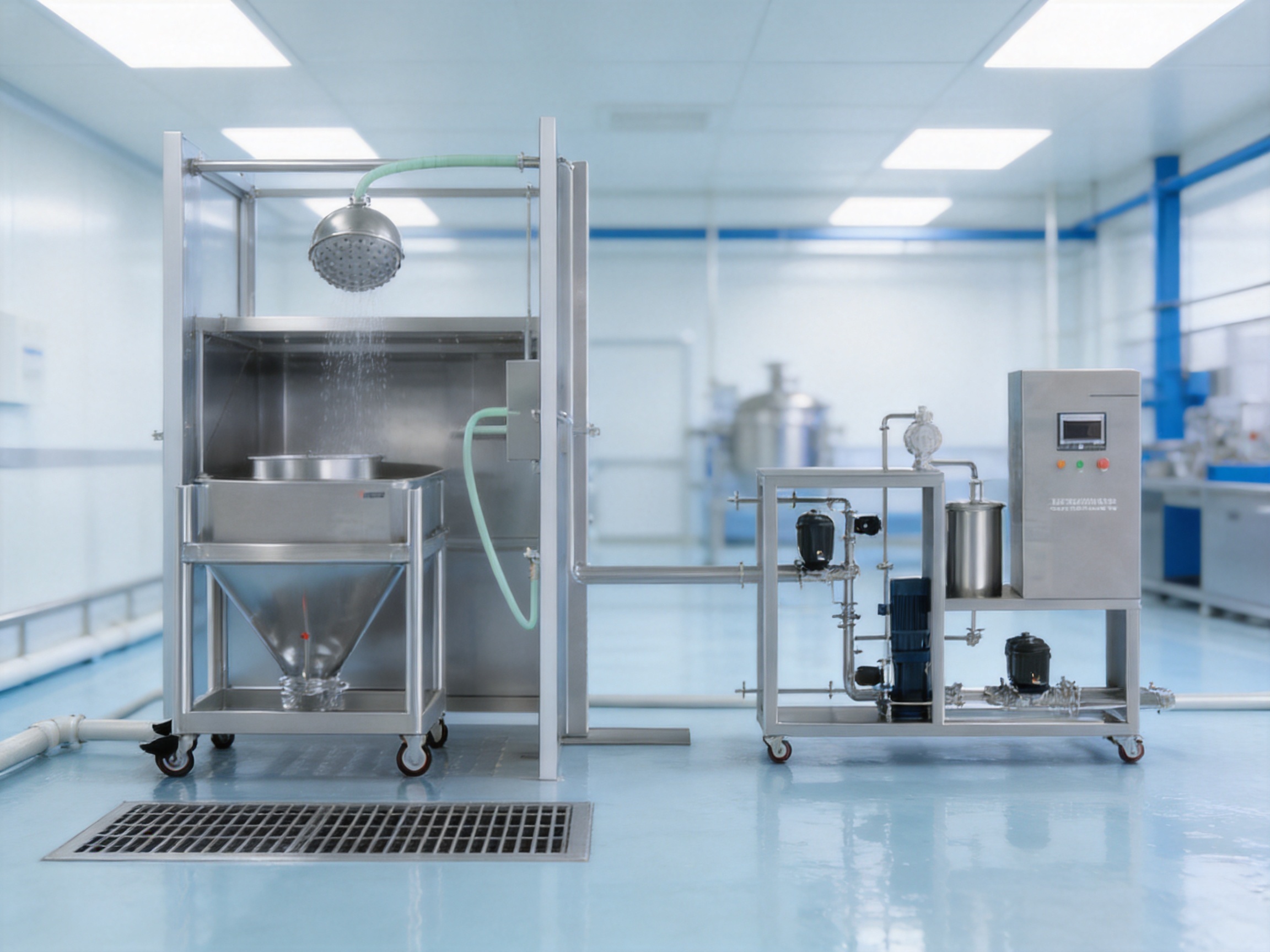
Conventional manual washing often relies on an operator holding a water gun and attempting to reach every internal surface of the bin. This method can be simple to establish, but it may be strongly influenced by operator skill, physical access, fatigue, and available cleaning time.
The internal spray ball of the NTQW machine provides a more controlled alternative. Once the bin and spray ball are correctly positioned, the internal washing action follows the selected process parameters. The operator remains involved, but the most repetitive part of internal washing is supported by equipment rather than performed entirely by hand.
Another difference is process documentation. A purely manual procedure may be recorded only through written instructions or operator sign-off. The NTQW machine can combine recipe management, password control, alarms, data storage, and printing, creating a more structured operating environment.
The semi-automatic approach also helps manage the trade-off between cost and performance. Compared with a fully manual station, it offers greater control over internal cleaning. Compared with a highly automated washing line, it may require less complex material handling and provide more flexibility for non-standard external surfaces.
Fully automated washing systems can provide advanced handling, closed-loop control, automatic positioning, and reduced operator intervention. However, they may require a higher investment and more extensive integration with bin transport, room layout, utilities, safety systems, and production scheduling.
For facilities with a moderate number of bins, changing container designs, or a need for controlled but flexible cleaning, a semi-automatic machine may be a more proportionate solution. The NTQW series focuses automation where it provides the clearest benefit: internal spray coverage and repeatable process control.
The manual external washing stage remains useful because the outside of a bin can vary considerably. A fully fixed automated system may need complex nozzle arrangements to reach every external feature. With the NTQW machine, the operator can visually inspect the exterior and direct the water gun where needed.
Equipment selection should always be based on a documented user requirement specification. Factors such as bin quantity, cleaning frequency, labor availability, validation expectations, water consumption, room classification, and future expansion should be assessed before deciding between manual, semi-automatic, and fully automatic solutions.
The NTQW series is available in three models. The main differences relate to water pump power, water flow, and installation dimensions. The listed water pressure range for each model is 2 to 7 bar, providing an operating range for the cleaning circuit.
| Item | Unit | NTQW-5 | NTQW-10 | NTQW-15 |
| Lifting power | kW | 0.75 | 0.75 | 0.75 |
| Water pump power | kW | 2.2 | 3.0 | 5.5 |
| Water flow | m³/h | 5 | 10 | 15 |
| Water pressure | bar | 2–7 | 2–7 | 2–7 |
| Reference installation length L | mm | 2200 | 2440 | 2940 |
| L2 | mm | 1600 | 1600 | 1600 |
| W1 | mm | 1500 | 1800 | 2200 |
| W2 | mm | 700 | 700 | 700 |
| H1 | mm | 1500 | 1900 | 2500 |
| H2 | mm | 2800 | 3500 | 3500 |
| H3 | mm | 1700 | 1700 | 1700 |
The NTQW-5 model provides a 5 m³/h water flow and uses a 2.2 kW water pump. It may be suitable for smaller installations or operations with lower washing demand. The NTQW-10 model increases the water flow to 10 m³/h and uses a 3.0 kW pump. The NTQW-15 model provides the highest listed flow, 15 m³/h, with a 5.5 kW pump.
The installation dimensions are provided for reference. Actual layout design should account for bin movement, operator access, drainage, water supply, maintenance clearance, electrical connections, and the height of the surrounding room. The larger NTQW-15 model has a reference H1 height of 2500 mm and an H2 height of 3500 mm, so facility ceiling clearance should be verified at an early stage.
Model selection should begin with the size and number of bins to be washed. A larger bin may require greater water flow to achieve suitable internal coverage, while a smaller bin may not require the highest-capacity pump. The selected model should also reflect the desired cleaning cycle time and the available utility capacity.
Water pressure is another important consideration. All three models list a pressure range of 2 to 7 bar. The site water supply and pump arrangement should be checked to ensure that the intended operating point can be maintained under actual conditions.
Production scheduling should also be considered. If many bins must be cleaned within a short period, the higher-flow NTQW-15 may provide a more suitable basis for the cleaning station. If washing frequency is moderate and bin sizes are smaller, the NTQW-5 or NTQW-10 may provide a more balanced solution.
Room height and floor space can influence the final selection. The spray ball lifting mechanism requires adequate vertical clearance, and the operator must have sufficient room to work safely with the external water gun. Installation planning should therefore use the reference dimensions as a starting point rather than treating them as the only layout requirement.
Solid dosage production commonly includes weighing, dispensing, mixing, wet or dry granulation, drying, milling, blending, compression, coating, and packaging. Transfer bins may be used at several points in this sequence. They allow materials to move between machines while reducing manual handling and supporting organized material flow.
After a bin has transferred a batch, it must normally be cleaned before being used for another product or batch. The NTQW machine can be positioned within the facility’s cleaning area or integrated into a dedicated equipment-washing room.
The machine is especially relevant where manufacturers produce multiple products in shared equipment. In such facilities, cleaning efficiency and repeatability are important parts of the cross-contamination control strategy. The machine does not replace cleaning validation, visual inspection, sampling, or quality procedures, but it can provide a controlled washing step within the overall process.
For new production lines, the washing machine can be considered alongside bin design, transfer routes, material lifts, vacuum conveying, granulators, fluid bed dryers, tablet presses, and coating systems. For existing facilities, it may be used to improve a manual washing process without requiring a complete redesign of the production line.
The NTQW machine is also applicable to chemical and food industries where intermediate containers require routine washing. Chemical production may involve powders, additives, pigments, catalysts, or other bulk materials that leave residues on internal surfaces. Food processing may involve ingredients, premixes, flavoring powders, and nutritional materials.
In these industries, the exact cleaning method depends on the material characteristics and the site’s sanitation requirements. Water temperature, detergents, contact time, rinsing, wastewater handling, and drying requirements should be specified according to the product and facility process.
The adjustable spray ball and manual external water gun provide a useful combination for containers with changing dimensions and complex outside surfaces. Before use in a particular industry, compatibility between the equipment materials, cleaning agents, water quality, and production environment should be confirmed.
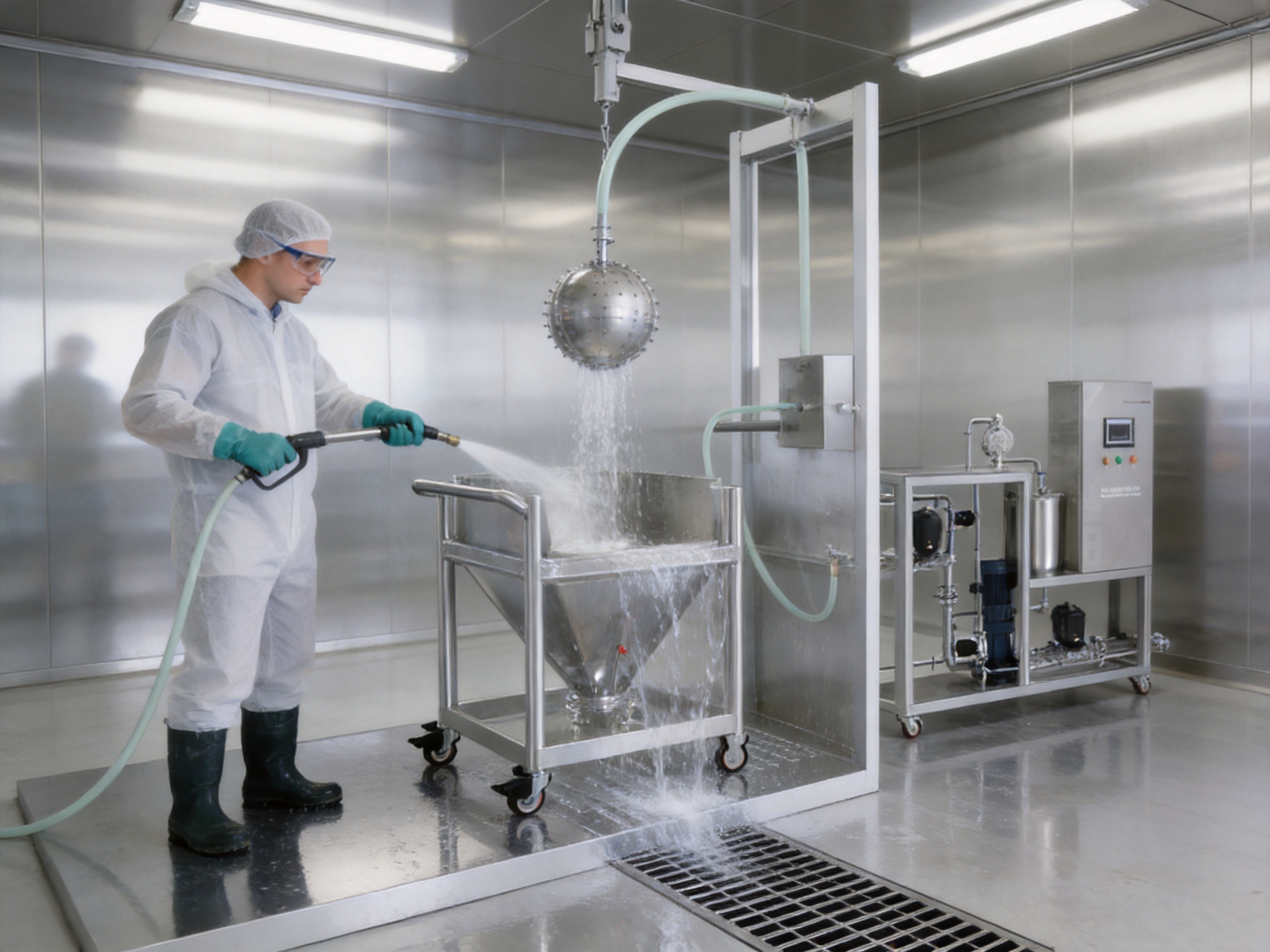
The touchscreen provides a central interface for machine operation. It can guide the operator through process selection and display information related to machine status, alarms, and active settings. A clear interface is valuable in a washing area because operators may work with gloves, protective clothing, and wet-process procedures.
The PLC coordinates the operating sequence. Depending on the configured process, this may include the lifting movement, spray-ball washing, pump operation, alarm handling, and completion status. The PLC structure helps separate operating logic from manual actions and provides a consistent basis for repeatable cycle control.
Recipe-based management allows process settings to be organized for different bin types or cleaning procedures. A recipe may define the intended operating conditions for a particular cleaning task, subject to the final system configuration and customer requirements.
Recipe control can reduce the chance of operators selecting inconsistent settings. It also makes it easier to establish standard procedures for different products, container sizes, or cleaning levels.
Fault alarms help identify abnormal conditions. An alarm may prompt the operator to inspect the equipment, check the water supply, verify bin positioning, or contact maintenance personnel. Prompt notification can reduce downtime and prevent the machine from continuing under unsuitable conditions.
Multi-level password management protects operational data and limits access to configuration functions. This supports a controlled operating environment in which routine operators can use approved programs while authorized personnel manage parameter changes.
Data printing can support production records, cleaning documentation, and internal review. The usefulness of printed information depends on how the site defines its documentation system. When combined with stored recipes and controlled access, printing can help connect machine operation with broader quality and maintenance procedures.
Changzhou Zhiyang Machinery Equipment Co., Ltd. specializes in the design, manufacture, and process integration of powder processing and oral solid dosage equipment. Founded in 2010 and based in Changzhou, China, the company supplies standalone machines, modular systems, and complete production lines for pharmaceutical, biopharmaceutical, biotechnology, nutraceutical, veterinary, additives, and related industries.
This broad product and application background is relevant to the NTQW machine because bin washing is closely connected to material handling and process equipment. A supplier that understands mixing, granulation, drying, coating, conveying, and transfer operations can evaluate the washing machine within the complete manufacturing route.
The company’s process-driven approach focuses on material characteristics, capacity requirements, and site conditions. This is important because a washing machine cannot be selected solely by pump power. The correct solution also depends on the container geometry, production schedule, available utilities, room arrangement, cleaning procedure, and integration with upstream and downstream equipment.
By offering laboratory, pilot, and full-scale equipment, the company can support customers at different stages of development. A business may begin with laboratory process studies, progress to pilot production, and later require a commercial manufacturing line. Experience across these scales can help support equipment selection and process expansion.
The company also emphasizes research and development, patented technologies, quality system certification, and overseas service capabilities. These strengths support the development of equipment intended for varied markets and operating environments. International delivery experience can also help with documentation, communication, installation coordination, and after-sales support.
The NTQW machine can be evaluated as part of a larger equipment system. For example, a production line may include a high-shear mixer, wet granulator, fluid bed dryer, mill, bin blender, tablet press, coating machine, and conveying equipment. Transfer bins may move between several of these stages, creating a recurring need for efficient cleaning.
Process integration helps define where the washing machine should be located. The cleaning station may need to be close to the material transfer route while remaining separated from clean production zones as required by the facility design. Bin movement, operator traffic, drainage, water supply, and clean-bin storage should all be evaluated together.
A supplier with experience in complete production lines can help identify possible interfaces. These may include bin dimensions, transfer routes, equipment height, control philosophy, utility requirements, and production capacity. The objective is to ensure that the washing machine improves the overall process rather than becoming an isolated installation that creates new handling difficulties.
Installation planning should begin with a review of the reference dimensions for the selected model. The available length, width, and height must be compared with the actual room dimensions. Adequate space should be provided for placing bins, opening or positioning them, operating the water gun, and carrying out maintenance.
The floor must be suitable for wet processing and compatible with the grated drain arrangement. Drainage capacity should be sufficient for the selected water flow. The facility should also define how wastewater will be treated or discharged in compliance with applicable environmental and site requirements.
Water supply pressure, pump operation, electrical power, control cabinet location, and operator safety must be reviewed during installation. If detergents or heated water are used, material compatibility and safety measures should be included in the project specification.
Because the spray ball lifting mechanism requires vertical movement, ceiling height and overhead obstructions must be checked. The reference H2 values range from 2800 mm for the NTQW-5 to 3500 mm for the NTQW-10 and NTQW-15. Actual clearance requirements should be confirmed with the final equipment drawings.
A machine alone does not constitute a complete cleaning program. The user should establish a written procedure covering bin identification, pre-rinsing if required, spray-ball washing, external washing, rinsing, inspection, drainage, and release for further use.
The procedure should define how the operator confirms that the bin is correctly positioned and how the spray ball height is selected. It should also explain how the operator uses the water gun to reach external components and how visual inspection is performed after washing.
Cleaning recipes should be developed according to the actual product residues and bin materials. The process may differ for free-flowing powders, sticky granules, oily materials, colored products, or substances that require special containment. Parameters should be established through process trials and, where applicable, cleaning validation studies.
Drying should also be considered. After water washing, the bin may need to be drained, air-dried, dried with filtered air, or transferred to a separate drying area. The correct approach depends on the product, equipment materials, microbial requirements, and site procedures.
Regular maintenance helps preserve washing performance and equipment reliability. Operators should inspect the spray ball, water gun, hoses, fittings, lifting mechanism, pump, drain area, and control interface according to the site maintenance schedule.
The spray ball should be checked for blockage, wear, and changes in spray performance. Reduced or uneven spray may indicate deposits, obstruction, pressure problems, or component wear. The water pump should be inspected for abnormal noise, vibration, leakage, or reduced flow.
The lifting mechanism should be kept clean and inspected for smooth movement. Because it operates in a wet environment, attention should be given to corrosion prevention, seals, guides, and electrical protection. Any maintenance work should be performed according to approved procedures and safety requirements.
The grated floor drain should be cleaned regularly to prevent residues from restricting wastewater flow. A blocked drain can cause water accumulation and interfere with safe operation. The control system should also be backed up or managed according to the site’s automation and data-retention procedures.
Operators should receive training before using the machine. Training should include bin positioning, spray ball adjustment, touchscreen operation, recipe selection, water gun handling, alarm response, emergency procedures, and post-cleaning inspection.
Personal protective equipment should be selected according to the material being washed and the cleaning chemicals used. Eye and face protection, protective clothing, gloves, and suitable footwear may be necessary in a wet washing environment.
The operator should avoid directing the water gun toward electrical components or other areas not intended for direct washing. Hoses should be managed to reduce trip hazards, and the floor should be kept as clear as practical. The equipment area should have suitable lighting so that internal and external surfaces can be inspected effectively.
Safety procedures should also address abnormal conditions such as loss of water supply, pump failure, unexpected lifting movement, blocked drainage, or control-system alarms. Clear procedures help prevent operators from attempting unsafe adjustments during a cleaning cycle.
For pharmaceutical manufacturers, the NTQW machine offers a combination of controlled automation and operational flexibility. The rotating spray ball supports repeatable internal washing, while the adjustable lifting mechanism allows the same equipment to serve different bin specifications.
The touchscreen and PLC system provide a structured operating platform. Recipe management, password protection, alarm functions, data storage, and printing can support more disciplined cleaning management than an entirely manual station.
The semi-automatic concept may also help manufacturers control investment while improving cleaning consistency. It avoids the need to automate every external movement of the bin, but still provides automatic support for the most important repetitive internal cleaning action.
Because the equipment is offered by a company with expertise in powder processing and oral solid dosage systems, it can be evaluated alongside other process machines. This helps users consider bin washing as part of the complete material flow and equipment-cleaning strategy.
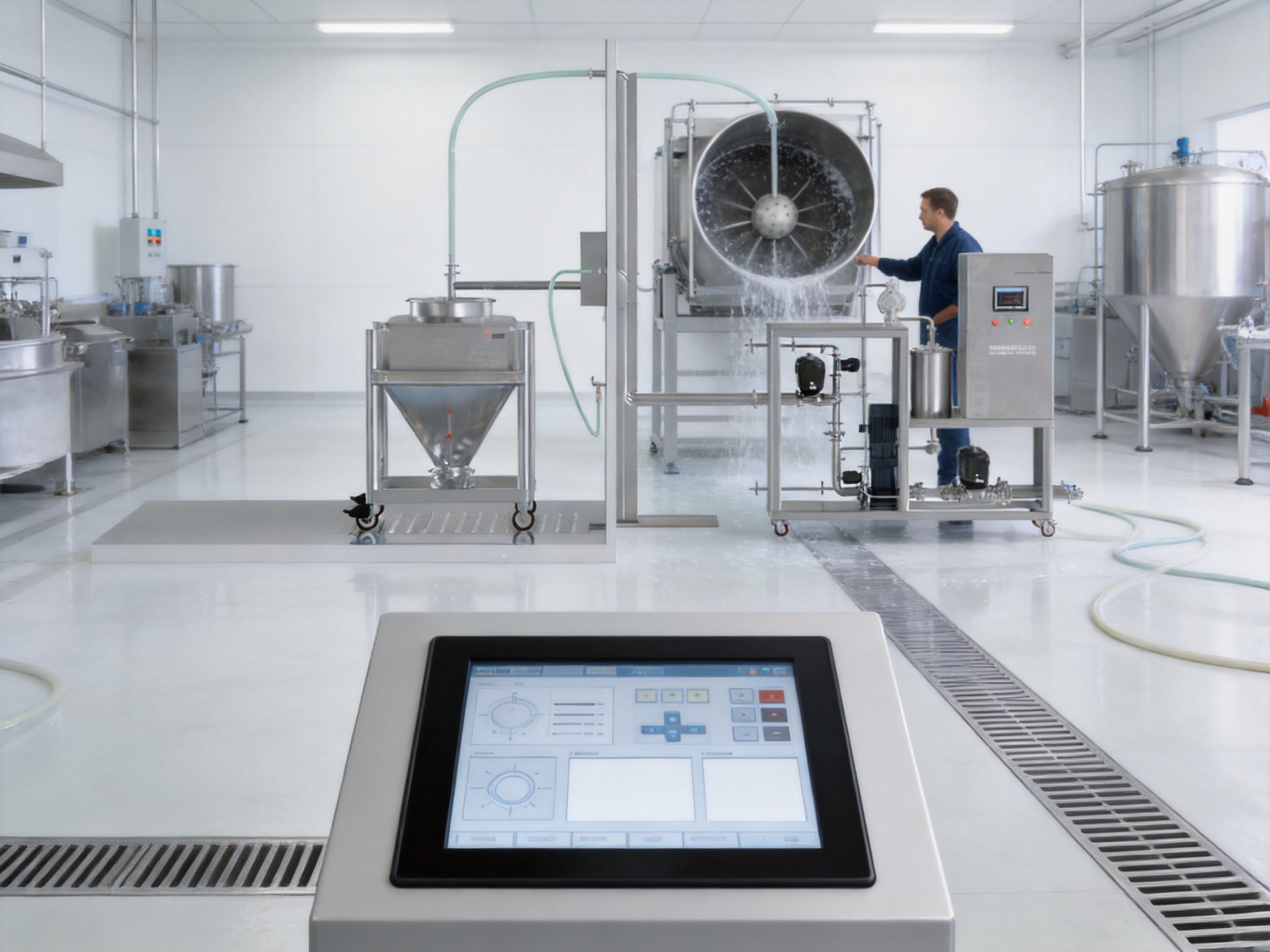
Cleaning validation requirements vary according to the product, facility, regulatory environment, and risk assessment. The NTQW machine can support a validated cleaning process, but validation must be established by the user through appropriate protocols, sampling methods, acceptance criteria, and documented results.
Important documentation may include equipment specifications, operating instructions, cleaning recipes, maintenance records, alarm records, training records, and inspection results. The machine’s data storage and printing functions can contribute to this documentation framework.
Factory testing and site acceptance activities should verify the lifting movement, spray-ball operation, pump performance, touchscreen functions, alarm behavior, recipe access, and drainage arrangement. The final acceptance criteria should be defined before equipment delivery.
Where required, installation qualification, operational qualification, and performance qualification can be planned according to the user’s quality system. The equipment supplier’s documentation and technical support can assist this process, while the final qualification responsibility remains aligned with the customer’s procedures and applicable regulations.
Water consumption is an important consideration for any washing system. The NTQW series provides different flow capacities so that users can select a model according to actual cleaning requirements instead of automatically choosing the largest pump.
Recipe-based control may help standardize cleaning duration and reduce unnecessary over-washing. Appropriate spray positioning can also improve water distribution and reduce the need for repeated manual passes. These benefits depend on proper process development and operator training.
Wastewater management should be addressed as part of the overall facility design. The grated floor drain provides a route for discharge, but the site must determine how wastewater will be collected, treated, and released. If detergents or product residues are present, environmental handling requirements should be reviewed before installation.
Equipment durability is another aspect of resource management. Reliable construction, planned maintenance, and suitable material selection can extend service life and reduce replacement frequency. The final material and surface specifications should be confirmed according to the customer’s application.
Equipment performance depends not only on individual components but also on how the machine fits the production process. A supplier focused solely on a single washing unit may not fully address bin traffic, production interfaces, material handling, room design, or future expansion.
Changzhou Zhiyang Machinery Equipment Co., Ltd. positions its engineering work around process routes and practical implementation plans. This approach is valuable when the customer needs more than a standard machine. The supplier can consider material characteristics, production capacity, site conditions, and the relationship between cleaning and manufacturing operations.
The company’s product scope includes laboratory equipment, mixing equipment, granulation equipment, drying equipment, coating equipment, auxiliary processing equipment, and transfer and conveying systems. This broad scope provides a technical context for designing complete powder-processing and oral solid dosage solutions.
Its experience serving pharmaceutical, biopharmaceutical, biotechnology, nutraceutical, veterinary, additives, chemical, and related industries also supports application-specific discussions. Different industries have different requirements for sanitation, containment, material compatibility, documentation, and production flexibility.
Before selecting an NTQW model, users should prepare the dimensions and weights of the bins to be cleaned. Internal height, opening size, external width, frame design, wheels, discharge valves, and other features can affect compatibility with the washing station.
The required cleaning frequency and target cycle time should be defined. The user should also identify whether cleaning is performed after every batch, after product changeover, at the end of a campaign, or according to another schedule.
Utility information should include water pressure, available flow, electrical supply, drainage capacity, wastewater treatment, and any requirements for filtered or purified water. The cleaning agent, water temperature, and rinsing method should also be specified if applicable.
Facility information should include room dimensions, ceiling height, floor slope, drainage location, operator access, material flow, clean and dirty equipment routes, and maintenance clearance. This information helps prevent installation conflicts and supports a more efficient layout.
Quality and documentation requirements should cover recipe control, user permissions, alarm records, printing, data storage, qualification, validation, and integration with existing manufacturing procedures. Early definition of these requirements can reduce later modifications.
The machine is designed to clean intermediate transfer bins used in solid dosage production and related industries. It automatically washes the internal surface with a rotating spray ball while the operator manually washes the external surface with a water gun.
Yes. The spray ball can be raised or lowered through a lifting mechanism to accommodate bins with different specifications. Compatibility should be confirmed using the actual bin dimensions and geometry before final selection.
No. The external surface is cleaned manually with a water gun. This approach allows the operator to reach different external components, including frames, handles, wheels, valves, and other features that may vary between bin designs.
The listed models are NTQW-5, NTQW-10, and NTQW-15. Their nominal water flow rates are 5, 10, and 15 m³/h respectively.
The listed water pressure range for all three models is 2 to 7 bar. The actual operating point should be confirmed according to the selected model, site utilities, cleaning procedure, and final equipment configuration.
Cleaning wastewater is discharged through a grated floor drain. The facility should provide suitable drainage capacity, floor design, and wastewater handling in accordance with site and regulatory requirements.
The machine uses touchscreen operation with PLC control. It also supports multi-level password management, recipe-based parameter management, data storage, fault alarms, and data printing.
No. It is semi-automatic. The internal washing action is automatic, while the external surface is washed manually by an operator. This design balances process consistency with flexibility and practical investment.
The machine is applicable to pharmaceutical, chemical, and food industries. It is especially relevant to pharmaceutical solid dosage production, where intermediate transfer bins require repeatable and controlled cleaning.
Yes. It can be evaluated alongside mixing, granulation, drying, coating, conveying, and other powder-processing equipment. Integration should consider bin movement, room layout, utilities, drainage, production capacity, and cleaning procedures.
No. The machine provides a controlled washing function, but the customer must establish and validate the complete cleaning process according to product characteristics, risk assessment, quality procedures, and applicable regulatory expectations.
Users should consider bin dimensions, cleaning frequency, desired cycle time, water flow, water pressure, room size, ceiling height, drainage capacity, electrical supply, operator access, and documentation requirements.
The NTQW Semi-Automatic Bin Washing Machine provides a practical solution for cleaning intermediate transfer bins used in pharmaceutical, chemical, and food production. Its central design combines automatic internal washing through a rotating spray ball with manual external cleaning using a water gun.
This arrangement offers several important benefits. Internal washing is more consistent than relying entirely on manual spraying. The lifting mechanism supports different bin specifications. Touchscreen PLC control, password management, recipe storage, fault alarms, data storage, and printing provide a more organized operating environment. The grated floor drain supports wastewater removal in a dedicated wet-processing area.
The three-model range allows users to select nominal water flows of 5, 10, or 15 m³/h according to bin size, cleaning demand, and available utilities. The semi-automatic design can be particularly attractive to manufacturers seeking improved cleaning consistency without the complexity and cost of a fully automated bin-handling system.
Changzhou Zhiyang Machinery Equipment Co., Ltd. strengthens the value of the solution through its broader expertise in powder processing, oral solid dosage equipment, process integration, and complete production-line engineering. Its experience across laboratory, pilot, and full-scale systems supports a process-oriented approach in which bin washing is considered together with mixing, granulation, drying, coating, transfer, and conveying.
For a successful project, users should define bin specifications, cleaning procedures, utility conditions, room layout, drainage, validation expectations, and documentation requirements at an early stage. When properly specified and integrated, the NTQW series can help manufacturers improve cleaning repeatability, operational flexibility, equipment utilization, and overall production hygiene.
1. Changzhou Zhiyang Machinery Equipment Co., Ltd. Product information for the NTQW Semi-Automatic Bin Washing Machine.
2. Changzhou Zhiyang Machinery Equipment Co., Ltd. Technical data for NTQW-5, NTQW-10, and NTQW-15 models.
3. Pharmaceutical manufacturing good practice principles for equipment cleaning, contamination control, and process documentation.
4. General engineering guidance for hygienic design, industrial washing systems, wastewater drainage, and equipment maintenance.
5. General principles of cleaning validation and qualification for pharmaceutical production equipment.
Want to stay up to date?
Contact us via the email address below.
Don't worry about spam. We hate it too!
Mobile Client

Video Account
Phone:+86-15161130178
Tel:+86-519-88674267
Email:czzy188@163.com
Phone:+86-15161132798
Email:zy@zy-drying.com

WeChat ID

Copyright 2026 Changzhou Zhiyang Machinery Equipment Co., Ltd. All Rights Reserved  Oral Solid Dosage Equipment Manufacturer